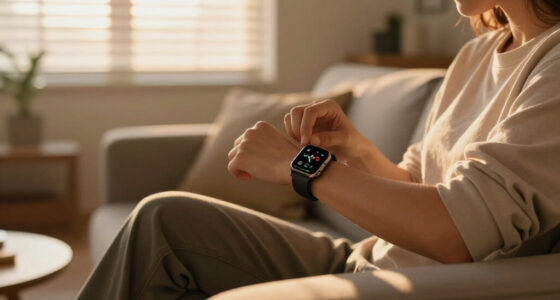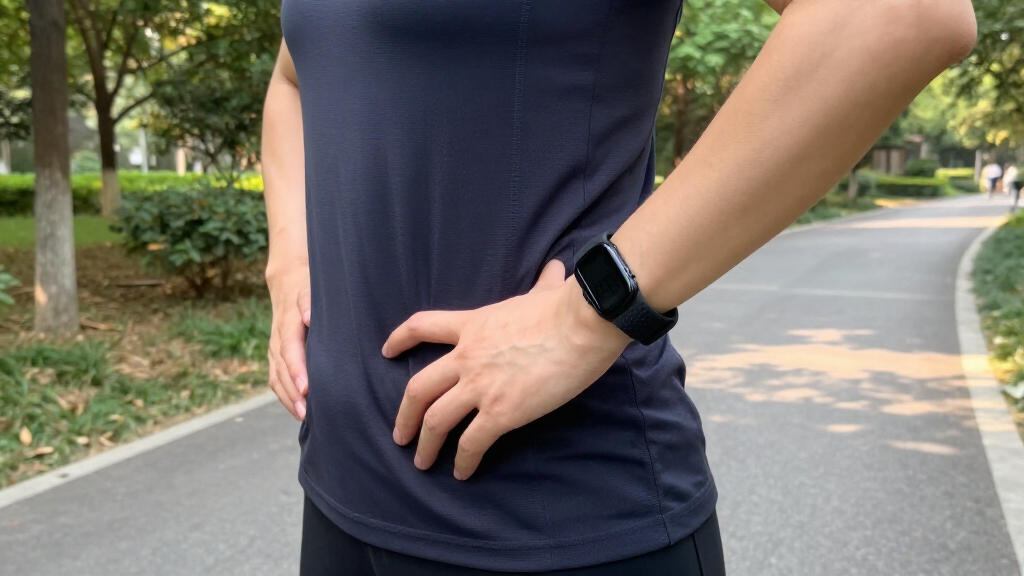

Shopping for fitness trackers for health monitoring means weighing a real tradeoff: polished ecosystem devices like Fitbit and WHOOP offer proven sensor accuracy and app depth, while budget trackers under $50 pack in blood pressure, SpO2, and sleep tracking at a fraction of the price — often with less reliable data. My top pick, the Fitbit Inspire 3, delivers the best balance of accurate 24/7 heart rate, sleep staging, and stress tracking in a comfortable everyday band. The WHOOP 5.0 stands out for serious recovery-focused monitoring with 14+ day battery, and the MorePro tracker with women’s health features is the value standout for under $50. If you have a heart condition or want clinical-grade trends, that changes the math considerably. Read on for the full breakdown of all nine trackers and which one fits your health goals and budget.
Play games included with Prime
Start a Prime free trial and play with Amazon Luna on your devices.
Start playingAs an affiliate, we earn on qualifying purchases.
Key Takeaways
- Budget trackers (under $40) all listed blood pressure monitoring, but this data is estimate-based rather than cuff-validated — treat it as a trend indicator, never a diagnostic tool.
- The Fitbit Inspire 3 beat every budget rival on sensor accuracy and app quality, while the screenless Fitbit Google Air suits buyers who want tracking without a display at all.
- WHOOP 5.0 is the only pick requiring an ongoing membership, which roughly doubles its cost of ownership over two years — worth it only for recovery and strain analytics.
- MorePro‘s two models overlapped heavily; the version with women’s health features is the one worth buying, since it tracks cycles alongside the same heart and sleep data.
- AMOLED screen models like the 1.10″ trackers offered noticeably better readability in sunlight compared to standard LCD budget rivals at similar prices.
| Smart Watch Fitness Tracker with Heart Rate, Blood Oxygen, Blood Pressure, Sleep Monitoring, 120 Sports Modes |  | Best Feature-Rich Budget Pick | Display: 1.58-inch high-resolution | Health Monitoring: Heart rate, blood oxygen, blood pressure, sleep stages | Exercise Modes: 120+ | VIEW LATEST PRICE | See Our Full Breakdown |
| Fitness Tracker with 24/7 Heart Rate, Blood Pressure, Sleep Monitor, 1.10″ AMOLED Screen |  | Best Compact Display | Display: 1.10-inch AMOLED HD touch screen | Heart Rate Monitoring: 24/7 continuous | Sleep Monitoring: Automatic sleep tracking | VIEW LATEST PRICE | See Our Full Breakdown |
| Amzhero Health & Fitness Tracker with Heart Rate, Blood Oxygen, Blood Pressure, Sleep Monitoring |  | Best Battery Life | Display: 1.47-inch HD color | Battery Life: Up to 15 days standby (300mAh) | Water Resistance: 50 meters / IPX8 | VIEW LATEST PRICE | See Our Full Breakdown |
| Fitbit Google Air – Screenless Activity Tracker – Obsidian |  | Best Minimalist Health Tracker | Platform: Fitbit OS | Battery Life: 7 days | Charging: Fast charge: up to 1 day in 5 minutes | VIEW LATEST PRICE | See Our Full Breakdown |
| MorePro Fitness Tracker with Heart Rate, Blood Pressure, Blood Oxygen, Sleep Monitoring, and Women’s Health Features |  | Best for Women’s Health | Heart Rate Monitoring: 24/7 | Blood Pressure & Oxygen: Both monitored continuously | Sleep Tracking: Deep sleep, light sleep, wake-ups | VIEW LATEST PRICE | See Our Full Breakdown |
| MorePro Fitness Tracker Watch with Heart Rate and Blood Pressure Monitoring |  | Best Budget Health Data Hub | Heart Rate Monitoring: 24/7 | Blood Pressure Monitoring: Yes | Blood Oxygen Monitoring: Yes | VIEW LATEST PRICE | See Our Full Breakdown |
| Google Fitbit Inspire 3 – Midnight Zen/Black – Small and Large Bands |  | Best for Everyday Wellness Guidance | Brand: Fitbit (Google family) | Health Tracking: Heart rate, SpO2, skin temperature, menstrual health | Activity Tracking: Steps, activity, sleep staging | VIEW LATEST PRICE | See Our Full Breakdown |
| WHOOP 5.0/MG Activity Tracker with 12-Month Membership and 14+ Days Battery Life |  | Best Premium Recovery and Sleep Tracker | Battery Life: 14+ days | Membership: 12 months included | Display: None (screenless design) | VIEW LATEST PRICE | See Our Full Breakdown |
| Fitness Tracker with 24/7 Heart Rate, Blood Pressure, Sleep Monitor, 1.10″ AMOLED Screen, Waterproof, Smart Watch Pedometer for Women and Men |  | Best Compact Display Pick | Display: 1.10-inch AMOLED HD touch color screen | Heart Rate Monitoring: 24/7 | Blood Pressure Monitoring: Yes | VIEW LATEST PRICE | See Our Full Breakdown |
| fitness trackers for health monitoring | Compatibility | Battery Life | Display | Water Resistance |
|---|---|---|---|---|
| Smart Watch Fitness Tracker wi | Android 4.4 / iOS 8.4 or above | — | 1.58-inch high-resolution | — |
| Fitness Tracker with 24/7 Hear | Android 5.0+, iOS 9.0+ | Up to 7 days (2-hour charge) | 1.10-inch AMOLED HD touch screen | IP68 |
| Amzhero Health & Fitness Track | iOS 9.0 / Android 6.0 and above | Up to 15 days standby (300mAh) | 1.47-inch HD color | 50 meters / IPX8 |
| Fitbit Google Air | Android 11.0+ & iOS 16.4+ | 7 days | — | Up to 50 meters |
| MorePro Fitness Tracker with H | Android 7.0+, iOS 13.0+ | Up to 7 days normal use / 15 days standby | — | IP68 |
| MorePro Fitness Tracker Watch | Android 7.0+, iOS 13.0+ | Up to 7 days | 1.57-inch HD touchscreen | IP68 |
| Google Fitbit Inspire 3 | iOS 16.4+, Android 11.0+ | — | — | — |
| WHOOP 5.0/MG Activity Tracker | — | 14+ days | None (screenless design) | — |
| Fitness Tracker with 24/7 Hear | Android 5.0+, iOS 9.0+ | Up to 7 days (15 days standby) | 1.10-inch AMOLED HD touch color screen | IP68 |
More Details on Our Top Picks
Smart Watch Fitness Tracker with Heart Rate, Blood Oxygen, Blood Pressure, Sleep Monitoring, 120 Sports Modes
This tracker stands out for stuffing a full health suite — heart rate, blood oxygen, blood pressure, and sleep staging — into an affordable package with a 1.58-inch high-resolution display. Compared with the MorePro below, it matches the 120+ sport modes but adds a larger screen that makes health data easier to read at a glance. The tradeoff is density: with notifications, camera control, weather, and sedentary reminders all packed in, the interface can feel cluttered for anyone who just wants clean health numbers. The unspecified battery life is also a real weakness against the Amzhero’s 15-day claim. Still, for buyers who want maximum monitoring per dollar, this option makes sense — it just demands some patience during setup.
Pros:- Covers heart rate, blood oxygen, blood pressure, and sleep stages in one affordable device
- Large 1.58-inch display makes health data easy to read
- 120+ sport modes cover nearly every activity type
- IP68 waterproofing handles showers and sweaty workouts
Cons:- Battery life is not clearly specified, unlike competitors with 7–15 day claims
- Feature-dense interface can overwhelm users who want simple health tracking
- No built-in GPS — depends entirely on a paired phone
Best for: Budget-conscious buyers who want every health metric and smartwatch feature in one device and don’t mind a busy interface
Not ideal for: Anyone wanting simplicity or guaranteed battery performance — the feature overload and vague battery claims will frustrate them
- Display:1.58-inch high-resolution
- Health Monitoring:Heart rate, blood oxygen, blood pressure, sleep stages
- Exercise Modes:120+
- Waterproof Rating:IP68
- Compatibility:Android 4.4 / iOS 8.4 or above
- Extras:Notifications, remote camera, music control, menstrual reminder, connected GPS
Our verdict“Buy this if you want the widest health feature set for the least money and can tolerate a cluttered experience.”
Fitness Tracker with 24/7 Heart Rate, Blood Pressure, Sleep Monitor, 1.10″ AMOLED Screen
Where the first pick goes wide with features, this one goes small and sharp: a 1.10-inch AMOLED screen that is noticeably crisper and more power-efficient than the LCD panels on budget rivals. The compact size suits slimmer wrists and makes it comfortable for overnight sleep tracking — arguably the core use case for health monitoring. Its 7-day battery life beats the screen-heavy Smart Watch above on predictability, though it falls short of the Amzhero’s 15-day standby. The cost of compactness is depth: only 25 sport modes, and the sleep and heart data will not satisfy anyone chasing clinical-grade accuracy. This model is better suited to everyday wellness awareness than serious training analysis, and that distinction is exactly why it earns its spot.
Pros:- Vivid AMOLED display that stays readable indoors and out
- Comfortable slim format ideal for overnight sleep monitoring
- Reliable 7-day battery with a quick 2-hour charge
- IP68 water resistance for daily wear and exercise
Cons:- Sleep and heart rate accuracy varies more than on premium trackers
- Only 25 sport modes and limited workout detail
- Full functionality depends on app syncing
Best for: Users with smaller wrists or minimalist tastes who prioritize a bright screen, comfortable sleep tracking, and reliable week-long battery
Not ideal for: Data-driven athletes — 25 sport modes and less granular metrics leave serious training analysis wanting
- Display:1.10-inch AMOLED HD touch screen
- Heart Rate Monitoring:24/7 continuous
- Sleep Monitoring:Automatic sleep tracking
- Sports Modes:25
- Water Resistance:IP68
- Battery Life:Up to 7 days (2-hour charge)
- Compatibility:Android 5.0+, iOS 9.0+
Our verdict“This is the pick for comfort-first users who want dependable everyday health readings on a sharper screen, not athletes chasing detailed metrics.”
Amzhero Health & Fitness Tracker with Heart Rate, Blood Oxygen, Blood Pressure, Sleep Monitoring
The Amzhero’s selling point is simple: up to 15 days of standby, meaning health monitoring that keeps running when other trackers are on their chargers. Its 50-meter / IPX8 water resistance is also the most robust in this batch — the Smart Watch above is only IP68, so swimmers get a genuine advantage here with dedicated swim tracking among its sport modes. The 1.47-inch display splits the difference between the compact AMOLED model and the larger budget pick, which makes it a sensible middle path. The compromises: no built-in GPS, so pace and distance depend on your phone, and the companion app is thinner on analysis than what MorePro or Fitbit offer. As a low-maintenance health sentinel, though, this option makes a strong case.
Pros:- Longest battery life in this lineup at up to 15 days standby
- 50-meter water resistance suitable for swimming
- Broad health coverage: heart rate, blood oxygen, blood pressure, sleep
- Bluetooth 5.0 for a stable phone connection
Cons:- No built-in GPS — relies on smartphone GPS for routes and pace
- Companion app offers less detailed analysis than rivals
- Interface takes time to learn
Best for: Swimmers and low-fuss users who want weeks between charges and rugged water resistance without paying premium prices
Not ideal for: Runners and cyclists who want GPS on the wrist — you’ll need to carry your phone for every workout
- Display:1.47-inch HD color
- Battery Life:Up to 15 days standby (300mAh)
- Water Resistance:50 meters / IPX8
- Sports Modes:Walking, running, swimming, cycling, yoga, hiking, treadmill, mountaineering
- Sensors:Optical heart rate, blood oxygen, blood pressure
- Connectivity:Bluetooth BLE 5.0
- Compatibility:iOS 9.0 / Android 6.0 and above
Our verdict“Choose the Amzhero if battery anxiety and pool sessions matter more to you than GPS or deep analytics.”
Fitbit Google Air – Screenless Activity Tracker – Obsidian
The Fitbit Google Air takes the opposite bet from every screen-based tracker here: it removes the display entirely and doubles down on passive monitoring and adaptive coaching. That means no doom-scrolling notifications on your wrist — just a lightweight band that quietly tracks heart rate and activity and interprets it for you, a philosophy closer to the WHOOP 5.0 than to the feature-packed MorePro. The fast charging is genuinely useful: five minutes yields a full day of tracking. But the tradeoffs are real. You get no real-time data glance, unlike the AMOLED model, and Fitbit locks its best insights behind a separate premium subscription, which quietly raises the total cost of ownership. For buyers who find smartwatches distracting rather than helpful, this restraint is the whole point.
Pros:- Featherweight, comfortable design easy to wear 24/7 including sleep
- 5-minute fast charge delivers a full day of tracking
- Adaptive coaching turns raw data into actionable guidance
- 50-meter water resistance matches the Amzhero for swimming
Cons:- No screen means no on-wrist data at all
- Premium insights require a recurring subscription
- Limited to basic activity tracking without display-based features
Best for: People distracted by smartwatch screens who want effortless, coach-guided health tracking and are willing to subscribe for full insights
Not ideal for: Anyone who wants to check heart rate or sleep data on their wrist — the screenless design forces every check onto the phone
- Platform:Fitbit OS
- Battery Life:7 days
- Charging:Fast charge: up to 1 day in 5 minutes
- Water Resistance:Up to 50 meters
- Compatibility:Android 11.0+ & iOS 16.4+
- Sensors:Optical heart rate monitor, GPS
Our verdict“The Google Air suits wellness-focused buyers who prefer coaching over screens — skip it if you ever want to glance at your stats.”
MorePro Fitness Tracker with Heart Rate, Blood Pressure, Blood Oxygen, Sleep Monitoring, and Women’s Health Features
What separates this MorePro from the nearly identical Smart Watch that leads this list is its dedicated women’s health layer: menstrual cycle and ovulation tracking woven into the same dashboard as heart rate, blood pressure, and blood oxygen readings. That integration matters — seeing how sleep and cycle patterns interact is exactly the kind of insight health monitoring is supposed to deliver, and none of the other four products here do it as centrally. Its 7-day real-world battery (15 days standby) is respectable though short of the Amzhero. The 120+ sport modes match the budget Smart Watch, but PC and tablet users are out of luck since it pairs only with phones. It is also worth being clear-eyed that these readings are wellness indicators, not diagnostic tools — MorePro itself says so.
Pros:- Menstrual cycle and ovulation tracking integrated with general health data
- Full monitoring suite: 24/7 heart rate, blood pressure, blood oxygen
- 120+ sport modes match the most feature-rich tracker here
- Detailed sleep staging covering deep, light, and wake periods
Cons:- Health readings are wellness-only and not suitable for medical diagnosis
- No PC or tablet compatibility — phone required
- 7-day battery trails the Amzhero’s longer runtime
Best for: Women who want cycle and ovulation tracking sitting alongside full cardiac and sleep monitoring in one app
Not ideal for: Anyone seeking medical-grade readings or who wants to sync with a PC or tablet rather than a phone
- Heart Rate Monitoring:24/7
- Blood Pressure & Oxygen:Both monitored continuously
- Sleep Tracking:Deep sleep, light sleep, wake-ups
- Sports Modes:120+
- Water Resistance:IP68
- Battery Life:Up to 7 days normal use / 15 days standby
- Compatibility:Android 7.0+, iOS 13.0+
Our verdict“If cycle-aware health tracking is your priority, this MorePro is the clear choice in this batch — just treat its readings as directional, not diagnostic.”
MorePro Fitness Tracker Watch with Heart Rate and Blood Pressure Monitoring
For shoppers who want the widest spread of health metrics for the least money, this MorePro model covers heart rate, blood pressure, and blood oxygen in one device — a combination that Fitbit’s Inspire 3 only partially matches and charges a subscription to fully unlock. Its 112 sports modes dwarf the 25 modes on the 1.10-inch AMOLED tracker, making it the better pick for people who cycle, swim, and lift rather than just walk. The tradeoff is accuracy: like the AMOLED model, it is not a medical device, so blood pressure numbers should be treated as trend indicators, not diagnosis-grade readings. Compared with the WHOOP 5.0, you get a screen and notifications but far shallower analytics. Battery life reaches 7 days, respectable next to WHOOP’s 14 but well ahead of most smartwatches.
Pros:- Heart rate, blood pressure, and blood oxygen monitoring in one affordable device
- 112 sports modes cover far more activities than similarly priced rivals
- Up to 7 days of battery life with IP68 waterproofing
- Comfortable lightweight design with customizable watch faces
- Works with both Android 7.0+ and iOS 13.0+
Cons:- Readings are not medical-grade and shouldn’t guide diagnosis or treatment
- No tablet or PC compatibility, so a smartphone is mandatory
- Health analytics are shallower than subscription platforms like WHOOP
Best for: Budget-conscious buyers who want heart rate, blood pressure, and SpO2 tracking on one screen without paying a subscription
Not ideal for: Anyone who needs clinically reliable blood pressure readings — this is a wellness trend tracker, not a medical instrument
- Heart Rate Monitoring:24/7
- Blood Pressure Monitoring:Yes
- Blood Oxygen Monitoring:Yes
- Sports Modes:112
- Display:1.57-inch HD touchscreen
- Water Resistance:IP68
- Battery Life:Up to 7 days
- Compatibility:Android 7.0+, iOS 13.0+
Our verdict“A strong pick if you want maximum health metrics per dollar and accept wellness-grade accuracy.”
Google Fitbit Inspire 3 – Midnight Zen/Black – Small and Large Bands
The Inspire 3 stands apart from the MorePro and AMOLED trackers because it doesn’t just log data — it interprets it. Daily readiness scores, stress management tools, sleep staging, and skin temperature trends give you context the budget trackers simply can’t provide. Where the MorePro hands you raw numbers, Fitbit tells you what to do about them. The included small and large bands and slim band format also make it the most comfortable around-the-clock option here, which matters because sleep and heart trends are only useful if you actually wear it. The catch: the richest insights sit behind a Fitbit Premium subscription, and features like SpO2 and irregular rhythm notifications are region-limited. Compared with the WHOOP 5.0, it trades deep recovery analytics for a screen, notifications, and a lower entry price.
Pros:- Interprets your data with readiness, sleep, and stress scores instead of just logging it
- Slim, comfortable band design in both small and large sizes for 24/7 wear
- Tracks skin temperature, SpO2, menstrual health, and heart rate continuously
- Works with both iOS 16.4+ and Android 11.0+
Cons:- Full feature set requires a Fitbit Premium subscription after the trial
- SpO2 and irregular rhythm notifications are unavailable in some countries
- No blood pressure tracking, unlike the MorePro and AMOLED alternatives
Best for: Casual wellness users and beginners who want guided insights into sleep, stress, and activity rather than raw metric dumps
Not ideal for: Data-driven athletes who want strain and recovery analytics without another subscription on top of the device cost
- Brand:Fitbit (Google family)
- Health Tracking:Heart rate, SpO2, skin temperature, menstrual health
- Activity Tracking:Steps, activity, sleep staging
- Stress Management:Yes, with daily stress scores
- Bands:Small and Large included
- Compatibility:iOS 16.4+, Android 11.0+
- Subscription:Fitbit Premium required for full features
Our verdict“The best choice if you want a friendly coach on your wrist rather than a spreadsheet of numbers.”
WHOOP 5.0/MG Activity Tracker with 12-Month Membership and 14+ Days Battery Life
WHOOP takes the opposite philosophy from every screen-based tracker here: no display, no distractions, all analysis. That screenless design is what enables 14+ days of battery — roughly double the MorePro or AMOLED models — because the device never wakes a display. Its strength is turning continuous heart rate, sleep, and strain data into recovery scores and AI-driven coaching, which goes well beyond the Inspire 3’s more casual guidance. The bundled 12-month membership and Wireless PowerPack mean you never take it off to charge, ideal for uninterrupted sleep data. But it’s the priciest path in this lineup, the subscription is mandatory, not optional, and if you want to glance at steps or check a notification, you’ll need your phone. It syncs with Apple Health, Google Health Connect, Strava, and Natural Cycles.
Pros:- 14+ day battery life with on-wrist charging means truly continuous data
- Recovery, strain, and sleep analytics that go deeper than any tracker in this lineup
- Waterproof, discreet, screenless design that’s comfortable for sleep
- Integrates with Apple Health, Google Health Connect, Strava, and Natural Cycles
Cons:- No screen — all feedback requires the phone app
- Ongoing membership is mandatory, making it the most expensive long-term option here
- Overkill for casual walkers who just want basic activity logging
Best for: Serious athletes and recovery-focused users who want science-grade sleep, strain, and recovery analytics and don’t need a screen
Not ideal for: Casual users or anyone who wants step counts and notifications on their wrist — there’s no display, and the membership cost adds up
- Battery Life:14+ days
- Membership:12 months included
- Display:None (screenless design)
- Waterproof:Yes
- Health Tracking:Sleep, heart rate, recovery, strain, menstrual cycle
- Coaching:Personalized AI analysis
- In the Box:Device, SuperKnit band, Wireless PowerPack
- Integrations:Apple Health, Google Health Connect, Strava, Natural Cycles
Our verdict“The pick for committed athletes who value recovery insight over convenience features — and accept the subscription that comes with it.”
Fitness Tracker with 24/7 Heart Rate, Blood Pressure, Sleep Monitor, 1.10″ AMOLED Screen, Waterproof, Smart Watch Pedometer for Women and Men
If the MorePro feels bulky on smaller wrists, this tracker’s 1.10-inch AMOLED screen offers a crisper, more vibrant display in a slimmer body — AMOLED here means better contrast and battery efficiency than the LCD panels on most budget rivals. It covers the same core health trio (heart rate, blood pressure, sleep) plus female health tracking, hydration alerts, and sedentary reminders, though its 25 sports modes are a fraction of MorePro’s 112, so dedicated athletes should look elsewhere. Where it beats the Fitbit Inspire 3 is simplicity: no subscription required, and it pairs with older phones down to Android 5.0 and iOS 9.0. The tradeoffs mirror other budget trackers — blood pressure and sleep accuracy is inconsistent, and heavy notification use drains the battery below the advertised 7 days.
Pros:- Vivid 1.10-inch AMOLED display in a compact, wrist-friendly body
- No subscription needed — every feature works out of the box
- Broad compatibility with older Android 5.0+ and iOS 9.0+ devices
- IP68 waterproofing with hydration, sedentary, and female health reminders
Cons:- Blood pressure and sleep data accuracy can be inconsistent
- Only 25 sports modes versus 112 on the MorePro
- Battery life drops noticeably with frequent notifications
Best for: Buyers with smaller wrists or older phones who want a sharp display and everyday health tracking with zero subscription
Not ideal for: Multi-sport athletes or accuracy-focused users — fewer sports modes and variable blood pressure readings limit its usefulness
- Display:1.10-inch AMOLED HD touch color screen
- Heart Rate Monitoring:24/7
- Blood Pressure Monitoring:Yes
- Sleep Tracking:Yes
- Sports Modes:25
- Water Resistance:IP68
- Battery Life:Up to 7 days (15 days standby)
- Compatibility:Android 5.0+, iOS 9.0+
- Extra Features:Female health tracking, weather, notifications, remote camera
Our verdict“A sensible compact choice for everyday wellness tracking on a budget, as long as you treat its health readings as rough trends.”
How We Picked
I ranked these trackers on five buyer-relevant criteria: sensor accuracy and consistency (how trustworthy the heart rate, SpO2, and sleep data actually is), app quality and data presentation (raw numbers mean nothing without clear trends), wearing comfort and battery life (a tracker you take off gives you data gaps), build and water resistance, and total cost of ownership — including any required subscriptions. Ecosystem devices from Fitbit and WHOOP scored higher on accuracy and software because their data pipelines are mature and well-documented, while budget models won on features-per-dollar.
The ranking logic reflects a simple reality: for health monitoring, trustworthy trends beat feature lists. That’s why the Inspire 3 sits above cheaper trackers that technically offer more metrics, and why WHOOP ranks highly despite its membership cost — its recovery analytics have no real equivalent here. Budget picks were ordered by how well their extra metrics (blood pressure, women’s health) are implemented rather than how many appear on the box.
| fitness trackers for health monitoring | Compatibility |
|---|---|
| Smart Watch Fitness Tracker wi | Android 4.4 / iOS 8.4 or above |
| Fitness Tracker with 24/7 Hear | Android 5.0+, iOS 9.0+ |
| Amzhero Health & Fitness Track | iOS 9.0 / Android 6.0 and above |
| Fitbit Google Air | Android 11.0+ & iOS 16.4+ |
| MorePro Fitness Tracker with H | Android 7.0+, iOS 13.0+ |
| MorePro Fitness Tracker Watch | Android 7.0+, iOS 13.0+ |
| Google Fitbit Inspire 3 | iOS 16.4+, Android 11.0+ |
| WHOOP 5.0/MG Activity Tracker | — |
| Fitness Tracker with 24/7 Hear | Android 5.0+, iOS 9.0+ |
Factors to Consider When Choosing Fitness Trackers For Health Monitoring
Before picking a tracker, it helps to understand what separates meaningful health data from marketing bullet points. These are the factors that actually change what your tracker can do for you.Sensor Accuracy Versus Feature Count
The most common mistake buyers make is choosing a tracker by counting metrics on the spec sheet. A $30 device advertising heart rate, blood pressure, blood oxygen, and sleep monitoring is not delivering four clinical instruments — it’s delivering optical sensor estimates with varying degrees of calibration. Heart rate during steady activity is generally reliable across price tiers, but resting heart rate trends, sleep staging, and SpO2 vary widely. Blood pressure readings on wrist trackers are the weakest link: no consumer tracker in this lineup is FDA-cleared for blood pressure, so if that metric matters medically, a cuff monitor remains the answer. Prioritize the two or three metrics you’ll actually act on, and judge the device on those.
Subscription Costs and Total Ownership Price
Sticker price rarely tells the full story. WHOOP’s hardware is bundled with a 12-month membership, and Fitbit locks its most detailed health analytics behind Fitbit Premium. Over two years, a ‘premium’ tracker can cost double its launch price while a budget tracker costs nothing beyond purchase. Before buying, check what features work without a subscription — basic heart rate, steps, and sleep summaries usually do, while guided programs, detailed readiness scores, and long-term trend reports often don’t. If you’re unlikely to pay recurring fees, buy the best hardware-only experience you can afford.
Battery Life and Data Continuity
Health monitoring depends on uninterrupted data, and every charging session creates a gap in your records. Trackers with AMOLED screens and always-on displays typically last 5–10 days; screenless or minimalist bands like the Fitbit Google Air and WHOOP stretch to two weeks or more. Sleep tracking is where battery matters most — a device that dies overnight loses the exact data many buyers purchased it for. A practical rule: if you want continuous heart rate plus overnight sleep tracking, look for at least 7 days of real-world battery, and be skeptical of always-on modes that halve the advertised figure.
Phone Compatibility and Ecosystem Lock-In
Every tracker here pairs with both Android and iPhone, but the experience is not equal on both. Fitbit’s app is strongest on Android since Google acquired it; WHOOP is platform-agnostic and web-friendly; budget trackers often have functional but clunky apps with weaker privacy policies and occasional sync bugs. Also consider whether you already live in an ecosystem — if you use Google Health Connect or Apple Health, check that the tracker exports data there, because some budget brands keep your health data siloed in their own app. Switching ecosystems later usually means losing your historical trends.
Comfort, Form Factor, and 24/7 Wear
A health tracker only works if you wear it constantly, and comfort drives compliance more than any spec. Slim bands like the Inspire 3 and screenless designs disappear on the wrist and suit sleep tracking; larger smartwatch-style trackers with big screens are easier to read but can feel bulky overnight and irritate skin during workouts. Band material matters too — silicone bands are standard, but if you have sensitive skin or plan to wear it 24/7, look for interchangeable bands so you can swap to a breathable option. Water resistance of 5ATM or better covers swimming and showers, which keeps your data gap-free.
Who Should Pay More — and Who Shouldn’t
Paying more buys three things: better sensor calibration, more polished software, and longer-term firmware support. If you track health metrics to inform real decisions — training load, stress management, sleep improvement — those upgrades are worth the money. If you mainly want motivation through step counts and general activity awareness, a budget tracker under $40 delivers 80% of the value. The middle ground is where buyers most often overspend: a $70 tracker with a big screen but a weak app gives you the worst of both worlds. Match your spend to how deeply you’ll actually use the data, not to the features you imagine using.
Frequently Asked Questions
Are the blood pressure readings on these fitness trackers actually accurate?
No consumer fitness tracker in this lineup provides medically validated blood pressure measurements. The budget models that advertise blood pressure use optical sensors to estimate values, and while some users find the trends directionally useful, the absolute numbers can be off by a meaningful margin and vary with fit, skin tone, and motion. If you have hypertension or your doctor has asked you to monitor blood pressure, a validated upper-arm cuff monitor costs $40–70 and is the right tool. The tracker’s blood pressure feature is best treated as a curiosity or rough trend indicator — never as a basis for medication decisions. That said, their heart rate and sleep data tends to be more dependable, which is why I weighted those metrics more heavily in the rankings.
Is WHOOP worth it if I already have to pay for the membership?
It depends entirely on whether you’ll use recovery and strain analytics, because that’s what the membership actually funds. WHOOP’s value is its daily readiness score, strain coaching, and highly consistent overnight tracking — the 14+ day battery and screenless design mean it captures data continuously without charging interruptions. For athletes, shift workers, or anyone managing fatigue and recovery, that insight has no direct equivalent among the Fitbit or budget options. For casual users who mainly want steps and sleep summaries, the recurring cost is hard to justify when the Inspire 3 covers those needs for a one-time price. A reasonable test: if you can’t name a decision the readiness score would change for you, skip the subscription model.
What’s the difference between the two MorePro trackers in this lineup?
The core health tracking is nearly identical between them — both cover 24/7 heart rate, blood pressure estimates, blood oxygen, and sleep monitoring. The differentiator is women’s health: one model adds cycle tracking and related insights integrated with its other metrics, which makes it the better choice for anyone who wants that data alongside heart and sleep trends in one app. The other model is slightly simpler and typically a bit cheaper, so it suits buyers who don’t need cycle features and want to spend less. Performance-wise, expect the same sensor quality and similar battery life, so the decision comes down to the health features rather than hardware. If the price gap is under $10 at purchase time, the women’s health version is the safer buy for its added versatility.
Should I buy a tracker with a screen or a screenless one like the Fitbit Google Air?
Screenless trackers trade convenience for focus and battery life. Without a display, devices like the Fitbit Google Air and WHOOP last dramatically longer, stay discreet, and push you toward checking your phone less often — which many wearers find improves their relationship with health data. The obvious cost is that you can’t glance at your wrist for the time, a heart rate reading, or a workout stat mid-run, and interactions all happen through the app. Screen-based trackers suit people who want a watch replacement and instant feedback during exercise. If you already wear a watch or primarily care about passive monitoring and sleep data, screenless is genuinely the better format; if you check stats constantly, you’ll find it frustrating within a week.
Can a budget fitness tracker under $50 still deliver reliable health monitoring?
Yes, within clear limits. Budget trackers in this roundup handle continuous heart rate, step counting, and basic sleep tracking reasonably well — the underlying optical sensor technology has become commoditized, and several of these devices use similar components to name-brand rivals. Where they fall short is software: apps may have awkward interfaces, weaker data export, shorter update support, and privacy policies worth reading before syncing sensitive health information. Sensor consistency can also drift during high-intensity workouts compared to Fitbit-grade hardware. For general wellness awareness — noticing your resting heart rate rising or your sleep duration slipping — a budget tracker does the job. For data you’d discuss with a doctor or use to guide training, spend more on the ecosystem devices.
Conclusion
The right pick here depends less on specs and more on how you plan to use your health data. Best overall goes to the Fitbit Inspire 3 — it combines accurate heart rate and sleep tracking with a mature app and no mandatory subscription, which is why it tops the list. Best value is the MorePro tracker with women’s health features, covering heart rate, SpO2, sleep, and cycle tracking for under $50. Best premium is the WHOOP 5.0 for buyers who want recovery and strain analytics and accept the membership cost, while the Fitbit Google Air is best for minimalists who want invisible, battery-sipping tracking without a screen. Best for beginners is the Amzero or the standard AMOLED-screen budget trackers — cheap, readable, and a low-risk way to find out whether you’ll actually wear a tracker daily. And if you want a smartwatch-style display with full health monitoring, the 120-sports-mode tracker with heart rate, oxygen, and blood pressure monitoring offers the biggest screen experience in the lineup. Whatever you choose, wear it consistently — the tracker that stays on your wrist beats the one with the better spec sheet in a drawer.
Fall yard work Picks
leaf blowers
As an affiliate, we earn on qualifying purchases.