
TL;DR

Get health and wellness essentials delivered free — and shop member deals
- Fast, free delivery on millions of items
- Access to Prime Big Deal Days deals on October 6–7
- Prime Video, Amazon Music and more included
A special issue of the Journal of Applied Gerontology brings together 12 studies on how disasters affect older adults across the United States, Puerto Rico and China. The research describes risks that can build before an emergency, including care disruptions and limited support, and identifies resilience, caregiving relationships and reliable information as protective factors.
A new Journal of Applied Gerontology special issue brings together 12 studies examining how disasters affect older adults before, during and after emergencies, finding that health needs, care disruptions and limited social support can compound exposure to hazards. The studies cover the United States, Puerto Rico and China, and include older people living at home as well as residents of assisted living and nursing homes.
The research examines several hazards and circumstances, including extreme heat, air pollution, hurricanes and losses that accumulate after storms. The report says some studies also considered how childhood adversity can shape outcomes later in life. Taken together, the work looks beyond the immediate impact of a single event to the ways earlier experiences, health conditions and recovery challenges may overlap.
One finding highlighted by the editors is that previous experience with emergencies does not necessarily mean an older adult has a workable plan to maintain care. People managing chronic conditions may still lack arrangements for getting medications, powering medical equipment or staying in contact with health care providers during a disaster. The report also says essential health services can be disrupted beyond the areas that suffer the most direct damage.
The special issue identifies potential protective factors, including resilience, confidence in one’s ability to act, supportive caregiving relationships and access to reliable information. Its authors call for disaster planning to be integrated into routine clinical care, stronger preparedness capacity and staffing in long-term care, rules suited to facilities’ differing risks, and expanded community programs, particularly in rural areas.
Preparedness Must Include Ongoing Care
The findings matter because older adults may rely on regular medication, medical equipment, caregivers and health services that can be interrupted during an emergency. A plan focused only on evacuation or immediate physical safety may not address how those needs will be met in the days and weeks that follow. The report’s focus on care continuity and recovery points to responsibilities shared by health providers, emergency managers, care facilities, families and community organizations.
The editors also stress that disaster effects can reach beyond physical injury or property damage. Disrupted routines, separation from caregivers and weakened social connections can contribute to lasting psychological effects, according to the report. Including mental health and caregiver support in preparedness planning could help older adults and the people who assist them during both an emergency and recovery.
The special issue presents research findings and recommendations, not evidence that a single intervention will protect every older person or facility. Its practical relevance lies in showing why plans need to reflect differences in health, living arrangements, local hazards and available support rather than treating older adults as one uniform group.
emergency medication organizer for seniors
As an affiliate, we earn on qualifying purchases.
As an affiliate, we earn on qualifying purchases.
Studies Span Hazards and Care Settings
The special issue, titled “Complex Emergencies and the Effect on Older Populations,” contains 12 studies spanning different hazards and long-term care settings. Its coverage includes people aging at home and residents of assisted living communities and nursing homes, giving the collection a wider scope than research focused on a single facility type or emergency.
The report frames the research against emergencies that can overlap or occur before communities have fully recovered from earlier events. Hurricanes, floods, wildfires and heat waves may place additional pressure on health services and care networks already serving people with chronic conditions or limited mobility. The collection examines how such factors can interact; it does not claim that every older adult faces the same risks or outcomes.
““Motivation alone is not enough.””
— Lindsay Peterson, Ph.D., special issue editor at the University of South Florida School of Aging Studies
backup power supply for medical devices
As an affiliate, we earn on qualifying purchases.
As an affiliate, we earn on qualifying purchases.
Limits of the Findings Remain
The report describes the themes and recommendations of 12 studies but does not provide, in the material available, the individual study designs, sample sizes or effect estimates. It is therefore not possible from this account to compare the size of particular risks or judge how well one preparedness measure works against another. The studies also cover selected locations and hazards, so their findings should not be assumed to apply identically to every community.
The report does not identify a single plan that can address all older adults’ needs. Which services are disrupted, how long interruptions last and what support is available will depend on the event and local resources. Further detail about implementation, costs and measurable outcomes is not included in the report summary.
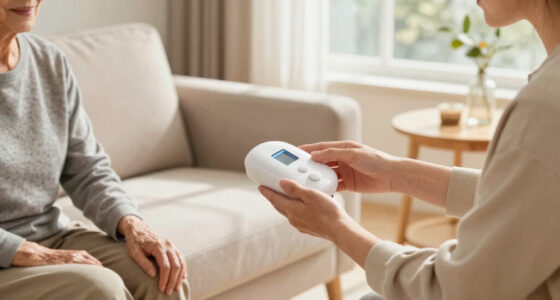
senior emergency communication device
As an affiliate, we earn on qualifying purchases.
As an affiliate, we earn on qualifying purchases.
Planning and Research Priorities
The special issue’s authors call for disaster planning to become part of routine clinical care and for stronger preparedness capacity in assisted living and nursing homes. They also recommend regulations that account for differences in facility risks and more community-based programs, with particular attention to rural communities. The recommendations place responsibility across health care, emergency management, long-term care and local support services.
The publication does not announce a new policy, deadline or implementation schedule. The next developments will depend on whether providers, facilities and public agencies adopt the recommendations and how future research tests their effects. For older adults and families, the report’s immediate message is that plans need to address continuity of care and social support alongside response to the hazard itself.
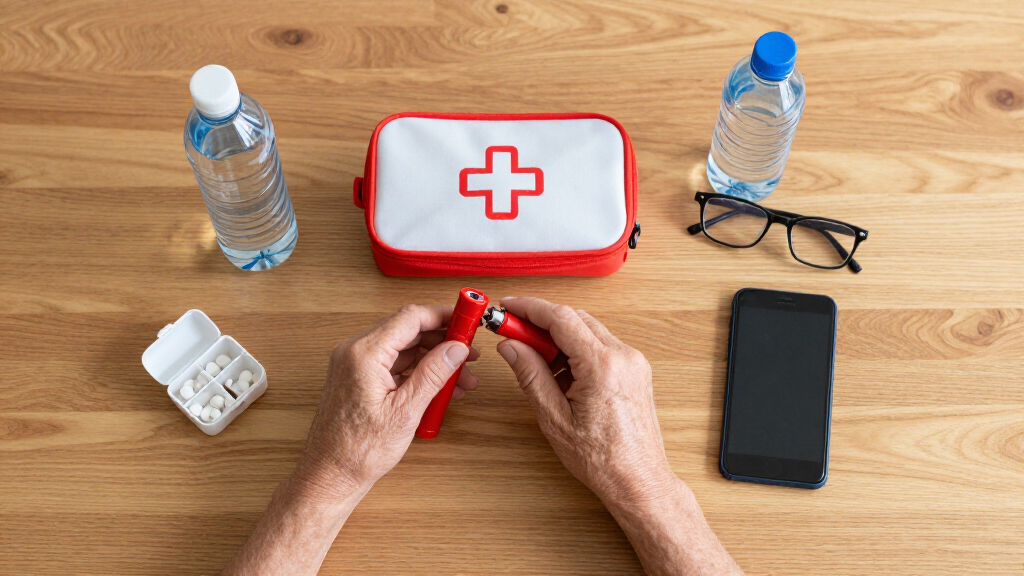
disaster preparedness kit for older adults
As an affiliate, we earn on qualifying purchases.
As an affiliate, we earn on qualifying purchases.
Key Questions
What is the new development?
The Journal of Applied Gerontology has published a special issue containing 12 studies of disaster risks and outcomes for older adults across the United States, Puerto Rico and China.
What risks does the report describe?
It discusses how hazards such as heat, air pollution and hurricanes can interact with chronic illness, limited mobility, care disruptions and weak social support. The report also notes that essential services may be disrupted beyond the areas most directly hit.
Does prior disaster experience guarantee a care plan?
No. The report says older adults who have experienced emergencies and manage chronic conditions may still lack arrangements for medications, medical equipment or contact with health care providers during a disaster.
What protections do the studies identify?
The report identifies resilience, self-efficacy, supportive caregiving relationships and reliable information as factors that can help older adults cope. It does not claim that any one factor guarantees safety.
What do the authors recommend?
They call for disaster planning in routine clinical care, stronger preparedness in long-term care facilities, regulations that reflect differing risks, and expanded community programs, especially in rural areas.
Source: rss
Halloween Picks
halloween
As an affiliate, we earn on qualifying purchases.