
TL;DR

Get health and wellness essentials delivered free with Prime
- Fast, free delivery on millions of items
- Prime Video, Amazon Music and more included
- Member-only deals all year
A Medical Xpress report describes pediatric palliative care as team-based support for children with serious, potentially life-limiting illnesses and their families. It cites estimates of more than 21 million children worldwide who could benefit, alongside major gaps in access, particularly in low- and middle-income countries and in some U.S. communities.
A Medical Xpress report published in November 2026 describes how pediatric palliative care supports seriously ill children and their families by addressing symptoms, quality of life and difficult treatment decisions. The report also highlights substantial access gaps: estimates cited in it suggest more than 21 million children worldwide could benefit, while services are especially limited in many low- and middle-income countries.
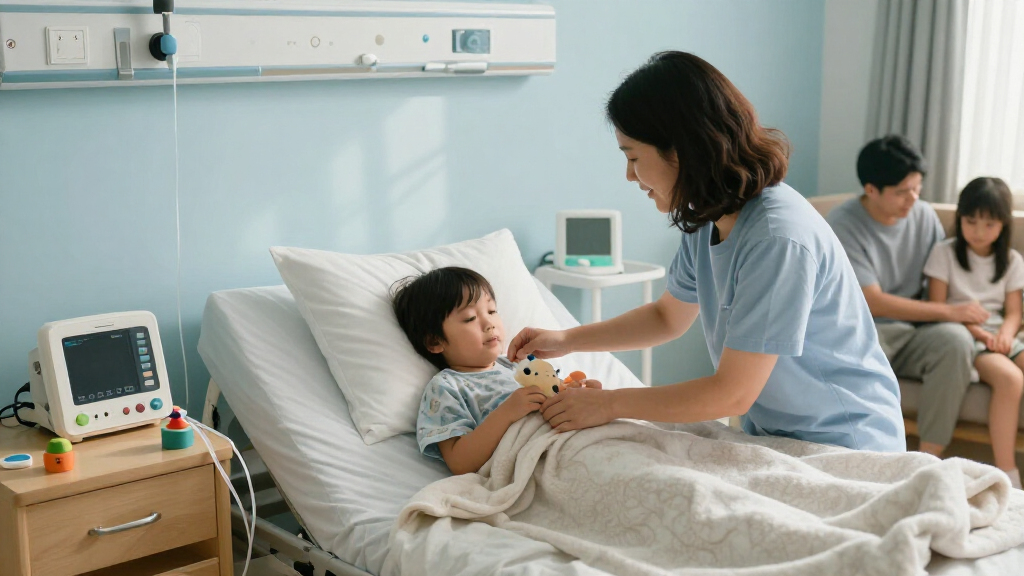
Pediatric palliative care is delivered by interdisciplinary teams that may include physicians, nurses, social workers, child life specialists, chaplains and other health professionals. Their work can include managing pain, nausea, breathing difficulties and other symptoms, as well as supporting caregivers as they weigh treatment options. The care can accompany treatment for a serious illness; it is not described in the report as being limited to a child’s final days.
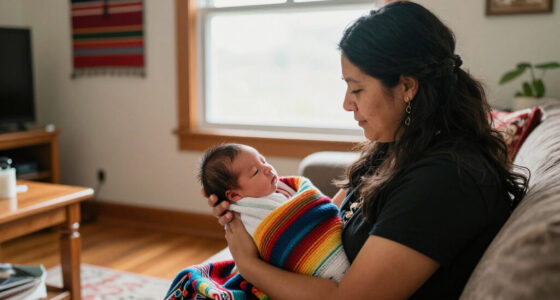
The report gives the example of an infant with a rare genetic disorder affecting vital organs. Repeated hospital stays may be needed to treat acute illness and complex symptoms. A palliative care team can work with the family to consider which interventions are likely to help and which may add suffering without changing the child’s longer-term outlook. The aim, according to the report, is to make each day as good as possible for the child and family.
The article cites research indicating that children receiving specialist palliative care have less pain, nausea and other distressing symptoms. It also says children admitted to intensive care for life-threatening illness are more likely to receive care aligned with their goals when a palliative care specialist is involved. The report does not provide study names or numerical effect sizes for these findings.
Care Access Shapes Family Support
The need for this care extends beyond symptom relief. Families facing serious childhood illness may have to make complex decisions while managing hospital visits, uncertainty and caregiving demands. Team-based support can help parents understand options and connect decisions to what matters to the child and family. The report says families have described the services as a supportive lifeline through diagnosis, illness, death and bereavement.
Access determines whether that support is available when families need it. In the United States, formal programs are common at children’s hospitals, but outpatient and home-based services are less consistent. A family may have access during a hospital admission yet face gaps after discharge, or may live far from a specialist team. These differences affect the practical ability to receive ongoing, coordinated support.
The global disparity is larger. The report estimates that as many as 97% of children in need live in low- and middle-income countries, where access to diagnostic and treatment services may also be limited. The estimate points to a major mismatch between need and availability, though the source notes that measuring the number of children who could benefit is difficult.
Products Worth Considering

LEVOIT Air Purifier for Home, Pets, Bedroom, Smart WiFi

Fitbit Versa 2 Health and Fitness Smartwatch with Heart Rate, Alexa, Music, Sleep and Swim Tracking

Garmin Forerunner 55 GPS Running Smartwatch, Black
As an affiliate, we earn on qualifying purchases.
Programs Grow Unevenly
The report traces pediatric palliative care as a distinct discipline to the adult hospice and palliative care movement of the 1990s and early 2000s. Its approach reflects the fact that children with life-threatening conditions may live for extended periods after diagnosis, and that their care involves parents and other caregivers as well as the child.
In the U.S., the report says nearly 80% of children’s hospitals have formal interdisciplinary programs. That figure refers to hospital-based programs, not universal access to outpatient or home care. Availability is described as stronger in urban areas and academic medical centers than in rural communities and community hospitals, with gaps particularly pronounced in rural states and the Southeast.
Internationally, the report cites estimates that more than half of the world’s population lives in countries where palliative care development is classified as emerging or progressing. It says only 14% of countries, or 28 countries, have advanced palliative care development, and cites a study identifying 11 countries at the highest level of pediatric palliative care development. These measures describe system development, not the number of individual children receiving services.
“The goal of this care is to support families in making every day as good as it possibly can be, regardless of whether a child’s remaining life is short.”
— Medical Xpress report
How Many Children Receive Care
The total number of children who need pediatric palliative care is difficult to measure. The report cites an estimate of more than 21 million children worldwide who could benefit, but does not give the underlying method or a measurement year in the supplied material. It also cites an estimate of 7 million children dying annually worldwide, but that figure is not the same as the number who need palliative care.
The source does not identify the specific research studies behind its summaries of symptom and intensive-care outcomes, nor does it provide effect sizes. It also does not detail the types of serious illness that account for the greatest need in different regions; the supplied report text ends before completing that discussion. The figures therefore describe the scale of the issue but do not establish precise local coverage or outcomes.
Closing Gaps Beyond Hospitals
The report does not announce a new policy, funding decision or service expansion, and it gives no implementation timetable. The next practical focus identified by its findings is improving the continuity of support beyond hospital wards, including access to clinic-based and home-based teams, especially for rural and underserved families.
At the global level, the cited estimates point to a need for stronger pediatric palliative care capacity, particularly in low- and middle-income countries. The report does not specify a single intervention or forecast when access might improve. Further research and more consistent measurement would help clarify how many children receive services, where the largest gaps are, and how care affects children and families across different health systems.
Key Questions
What is pediatric palliative care?
It is team-based care for children with serious illness that addresses symptoms, quality of life and the needs of family caregivers. It may be provided alongside other medical treatment.
Does palliative care mean a child is no longer receiving treatment?
No. The report describes palliative care as support during serious illness, including help with symptoms and treatment decisions. It is not presented as limited to end-of-life care or as a replacement for other treatment.
How common are pediatric palliative care programs in U.S. hospitals?
The report says nearly 80% of U.S. children’s hospitals have formal interdisciplinary programs. It also notes that outpatient and home-based access is less consistent, so the hospital figure does not mean every family can readily receive ongoing care.
How many children worldwide could benefit?
The report cites an estimate of more than 21 million children worldwide. It says the number is difficult to measure, and the supplied material does not provide the estimate’s measurement year or methodology.
Where are access gaps most pronounced?
In the U.S., the report describes weaker access in rural areas and community hospitals than in urban settings and academic medical centers. Globally, it says most children in need live in low- and middle-income countries, where pediatric palliative care capacity is limited.
Source: medicalxpress.com