
TL;DR

Get health and wellness essentials delivered free with Prime
- Fast, free delivery on millions of items
- Prime Video, Amazon Music and more included
- Member-only deals all year
A November 2, 2026, Seniors Guide report by Terri L. Jones describes five ways families can personalize an older adult’s assisted living space, from bringing familiar belongings to arranging accessible seating. The suggestions are practical guidance, not evidence that particular decor will produce a specific health outcome.
Seniors Guide published five suggestions for personalizing an assisted living space, including bringing familiar belongings, using softer lighting and arranging furniture for easy access. The report, by Terri L. Jones and dated November 2, 2026, presents the ideas as ways families may help an older adult feel more at home after a move.
The recommendations cover both comfort and practical use. Families are encouraged to bring meaningful items such as photographs, artwork, keepsakes or a favorite chair, while allowing the resident to help choose what comes along and where it goes. The report says some memory care facilities recommend creating shadow boxes with mementos for residents with dementia.
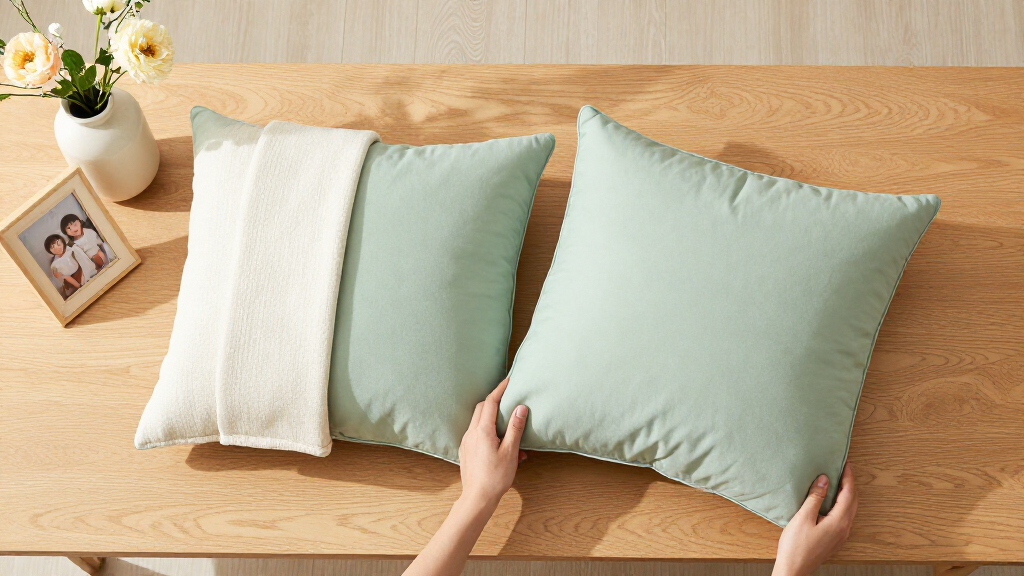
Other suggestions include adding lamps or dimmers to soften room lighting, providing comfortable throws and pillows, and considering plants. The report also advises placing frequently used items—such as a phone, books and personal belongings—within easy reach, and avoiding overfilled closets and drawers that can make items harder to access.
The fifth tip is to set aside space for visitors and shared activities, using seating or a dining table for time with friends and family. A spot for crafts, puzzles or other hobbies may also support activities alone or with others. The article cites comments from senior-living executives and an interior design professional; it does not present these tips as findings from a new study.
Making the New Space Feel Familiar
A move into assisted living can mean leaving a familiar home and adjusting to a different environment. Jones’s report frames personal items and resident involvement as practical ways to retain a sense of continuity and personal choice during that change. The advice also links personalization with everyday function: keeping needed objects close and leaving storage manageable can make a room easier to use.
The suggestions may help families think beyond decoration when planning a move. A room can reflect a resident’s routines and interests while also making room for visitors and hobbies. The article does not establish that these changes will ease every person’s adjustment, and individual needs will vary.
Products Worth Considering

Levoit Core 600S-P Smart Air Purifier for Large Rooms up to 2933 ft²

LEVOIT Air Purifier for Home, Pets, Bedroom, Smart WiFi

BowFlex Results Series SelectTech Adjustable Dumbbells (Pair)
As an affiliate, we earn on qualifying purchases.
Advice From Senior-Living Professionals
The report draws on statements from people working in senior living and design. It references Julia Bailey, a senior associate and interior design project manager at Denver-based OZ Architecture, through an article in U.S. News & World Report. Bailey’s comments are presented as support for considering how a new space’s design and function affect residents’ experience.
Jones also quotes Kristy Ruppe Craddock, chief sales and marketing officer at Commonwealth Senior Living, and Rita Mabli, president and chief executive officer of United Hebrew of New Rochelle. The article is marked as originally published in May 2022, despite its November 2026 date, so readers should treat it as guidance being republished or updated rather than a newly reported research finding.
“As you walk into someone’s home, you can usually get a sense of their personality and lifestyle right away. Those things should come with you.”
— Kristy Ruppe Craddock, chief sales and marketing officer at Commonwealth Senior Living
Limits of the Published Guidance
The article offers practical suggestions rather than tested outcomes. It does not report a study measuring whether particular furnishings or room arrangements improve wellbeing, independence or adjustment, nor does it compare approaches across residents or care settings. The source also does not specify whether its November 2026 publication date reflects a substantive update; it notes an original publication date of May 2022.
Needs and facility rules can differ, including for residents with mobility limitations or dementia. The report does not give detailed guidance on selecting plants, lighting or furniture for particular health or safety circumstances. Families may need to discuss room changes with the resident and community staff before moving or installing items.
Planning the Move With the Resident
The report does not announce a follow-up study or policy change. Its advice points families toward a practical next step: discuss the resident’s preferences, daily routines and frequently used belongings before arranging the new room. Families can ask the assisted living community about space, lighting and furnishing rules, then decide together what will fit and remain easy to reach.
After the move, residents and families can adjust the setup as they learn how the space is used. The source provides no timetable or promised outcome; whether a particular change helps will depend on the resident and the setting.
Key Questions
What are the five suggestions in the report?
The report recommends bringing familiar belongings, adding cozy touches such as lamps and throws, considering plants, keeping useful items accessible, and creating a place for socializing or hobbies.
Should the resident choose what comes into the new space?
Yes. The report advises allowing older adults to select personal items and decide where to place them, helping the room reflect their preferences and routines.
Does the article show that personalization improves health?
No. It offers attributed professional advice, but does not report research measuring health outcomes or proving that the suggestions work for every resident.
What does the article say about residents with dementia?
It says some memory care facilities suggest families make shadow boxes with mementos that may prompt memories. The report does not provide clinical guidance or assess the effect of this practice.
Why does the publication date need context?
The report is dated November 2, 2026, but its editor’s note says it was originally published in May 2022. The source does not explain whether it was substantially revised for the later date.
Source: seniorsguide.com