TL;DR

Get health and wellness essentials delivered free — and shop member deals
- Fast, free delivery on millions of items
- Access to Prime Big Deal Days deals on October 6–7
- Prime Video, Amazon Music and more included
Executives from Trilogy Health Services and Signature HealthCARE described AI and monitoring programs used to support clinical work in nursing homes. Trilogy reported a 60% reduction in hospitalizations among residents using a monitoring device, while Signature reported an 80% decrease in falls at facilities using fall-prevention technology; both figures are company-reported results.
Leaders from Trilogy Health Services and Signature HealthCARE described how their nursing home operators use AI-enabled monitoring and analytics to flag health risks, prevent falls and organize clinical records, reporting improvements in hospitalizations and falls at a Skilled Nursing News conference in Philadelphia. The outcomes were shared by the companies’ nursing executives and were not independently verified in the report.
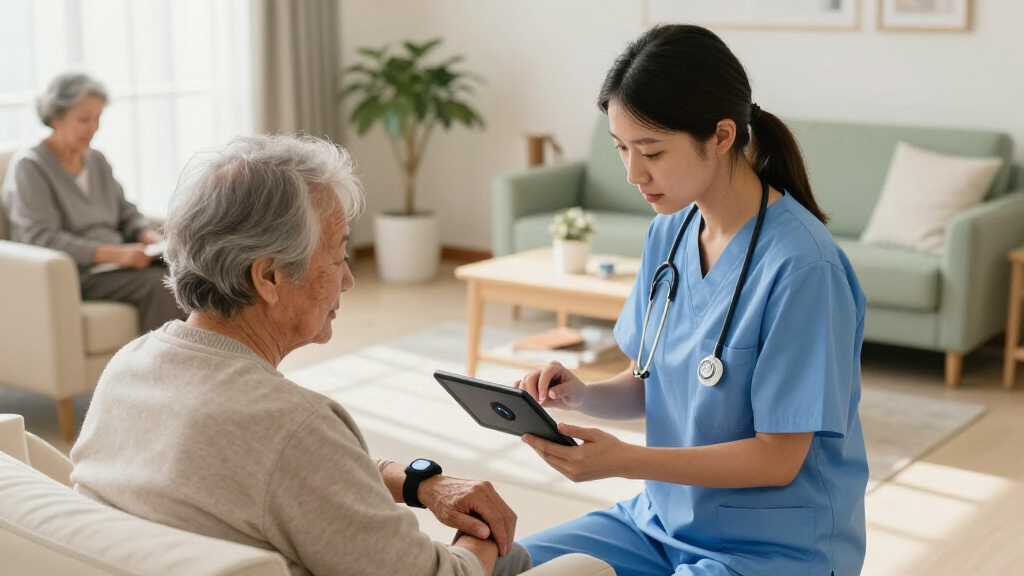
Trilogy Senior Vice President and Chief Nursing Officer Rhonda Dempsey said the company uses predictive analytics to help identify potential health problems before they become emergencies. A chest-worn device monitors some residents considered at higher risk of rehospitalization. Dempsey said the system is used by about 300 residents and is reviewed weekly. When a resident’s temperature rises two degrees above their baseline and remains elevated for about an hour, a nurse receives an alert, assesses the resident and contacts a practitioner.
Dempsey said the monitoring program has helped Trilogy reduce hospitalizations by 60%. The report did not specify the period used to calculate that result, the number of hospitalizations before and after implementation, or whether the change was compared with a control group. Trilogy operates more than 140 senior living communities, according to the report; it did not say how widely the device is deployed beyond the residents currently being monitored.
Signature Chief Nursing Officer Barbara Revelette described the company’s CareAI fall-prevention system, first introduced in four facilities and later expanded to 20 buildings. Revelette said it detects resident movement and notifies staff. She reported an 80% decrease in falls in buildings using the technology, without specifying the measurement period or comparison method. The system is paired with a virtual sitter program: live staff members monitor groups of residents remotely, contact residents or facility staff when alerts arise, and can support behavioral monitoring. Signature operates 69 locations across five states.
Earlier Alerts, Fewer Manual Tasks
The programs address two persistent operational pressures in long-term care: responding to resident needs promptly and managing substantial documentation demands. An alert about a sustained temperature change may prompt a nurse to assess a resident sooner, while movement notifications can help staff respond when someone is trying to get out of bed. These tools may support care teams, but the reported results alone do not establish that AI caused the reductions in hospitalizations or falls.
Both executives emphasized that technology must fit the work caregivers already do. Dempsey said tools that add steps or fail to help staff may be abandoned. She also warned that employees may turn to unapproved digital tools if organizations do not provide workable alternatives, creating potential privacy and HIPAA compliance risks. For residents and families, the practical stakes include how monitoring is used, who can access information and whether a system leads to timely human attention.
The companies also described AI as a way to assemble documentation and surface missing information for review. That matters because nursing homes face varied requests from auditors, but the speakers’ comments do not mean every item collected is a regulatory requirement. Technology can help organize records; it does not replace the responsibility to maintain accurate documentation or meet applicable rules.
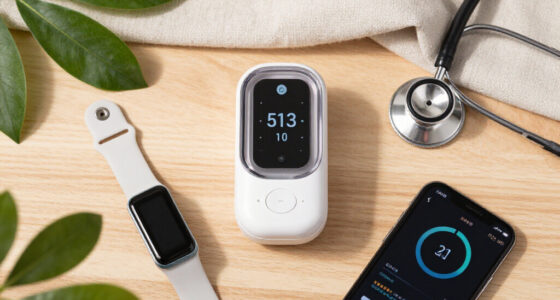
fall prevention monitoring devices for seniors
As an affiliate, we earn on qualifying purchases.
As an affiliate, we earn on qualifying purchases.
Two Operators, Different AI Uses
The accounts came from a panel on clinical AI at Skilled Nursing News’ ReThink conference, where Dempsey and Revelette discussed operational use rather than announcing a single new product or policy. Trilogy’s examples centered on predictive health monitoring and identifying quality concerns. Signature discussed fall prevention, remote observation and the use of AI to organize clinical documentation.
Signature’s virtual sitter system combines ambient monitoring with live staff oversight, according to Revelette. A remote sitter can alert an on-site nurse when a resident appears to be getting up. She said the service can monitor eight to 10 residents virtually and described family participation through conference calls involving a resident, family member, sitter and doctor. Signature had been adding features about a year into the program, but Revelette did not detail which features were already available.
The executives also said that technology companies should act as partners with operators and facility staff, rather than simply supplying software. Their reasoning was practical: staff acceptance depends on whether a tool improves daily work and supports resident care. Implementation and caregiver buy-in are therefore central to the operators’ accounts of how AI can be used.
“When their temperature goes up two degrees above their baseline and sustains for about an hour, the nurse gets the alert, goes down and assesses the resident, and calls the practitioner.”
— Rhonda Dempsey, senior vice president and chief nursing officer at Trilogy Health Services
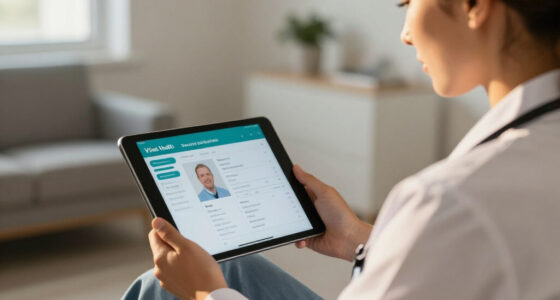
AI-powered health alert systems for nursing homes
As an affiliate, we earn on qualifying purchases.
As an affiliate, we earn on qualifying purchases.
How the Reported Results Were Measured
The conference account does not provide the methods behind the 60% hospitalization reduction or the 80% fall decrease. It does not give baseline counts, measurement windows, facility-level comparisons or details about other changes that may have affected outcomes. The figures should be read as results reported by the operators, not as independently established effects of AI.
Further details are also unavailable on the devices’ costs, the criteria for selecting residents, how alerts are reviewed, and what safeguards govern access to monitoring data. The report does not describe how Trilogy’s system performs across its full portfolio or whether Signature plans to expand CareAI beyond the 20 buildings mentioned. It is also unclear which additional virtual sitter features Signature is developing and when they may be introduced.
resident movement detection systems
As an affiliate, we earn on qualifying purchases.
As an affiliate, we earn on qualifying purchases.
Monitoring Expansion and Staff Adoption
Revelette said Signature is continuing to add capabilities to its program, while Dempsey described Trilogy’s monitoring as an ongoing process reviewed each week. The companies did not provide a timetable for further rollouts or announce new locations during the conference discussion.
The next useful evidence would include longer-term, facility-level outcome data, clear comparison periods and information about how staff respond to alerts. Further details on privacy practices, family access and implementation costs would also help residents, families and care teams understand how these systems operate. For now, both operators’ accounts point to continued testing and adoption, with staff usability and resident care presented as conditions for the technology to remain in use.
remote virtual sitter systems for elderly care
As an affiliate, we earn on qualifying purchases.
As an affiliate, we earn on qualifying purchases.
Key Questions
What AI tools are Trilogy and Signature using?
Trilogy uses a chest-worn monitoring device and predictive analytics for selected residents. Signature uses CareAI for movement alerts and fall prevention, as well as a virtual sitter program with live remote staff.
How many residents use Trilogy’s monitoring device?
Dempsey said the device was being used by about 300 residents and that the company tracks results weekly. The report does not state how many Trilogy communities use it.
Did the companies prove that AI caused fewer hospitalizations and falls?
No independent evaluation or detailed methodology was provided in the conference account. The 60% hospitalization reduction and 80% fall decrease were reported by company executives, and the measurement periods and comparison methods were not specified.
Does Signature’s virtual sitter program use only AI?
No. Revelette described it as a system combining AI and ambient monitoring with live remote sitters, who can contact residents or alert on-site staff.
What did the executives say is needed for these systems to work?
They emphasized that tools should fit facility workflows, help caregivers rather than add tasks, and involve staff in adoption. Dempsey also said operators should provide approved tools so employees are less likely to use unapproved technology that could create privacy or HIPAA concerns.
Source: rss
Halloween Picks
halloween
As an affiliate, we earn on qualifying purchases.