TL;DR
Chicago’s air quality has worsened significantly due to smoke from ongoing Canadian wildfires. Authorities have issued health advisories as pollution levels reach unhealthy thresholds. The situation remains dynamic, with air quality expected to improve in coming days.
Chicago’s air quality has deteriorated sharply today, with pollution levels reaching unhealthy thresholds due to smoke drifting from ongoing wildfires in Canada. Local health officials have issued advisories urging vulnerable populations to limit outdoor activities. The situation underscores the impact of regional wildfire activity on urban air quality and public health.
According to the Environmental Protection Agency’s AirNow platform, Chicago’s air quality index (AQI) has risen to 160, classified as ‘Unhealthy for Sensitive Groups.’ This marks a significant increase from previous days, when AQI levels hovered in the moderate range. The surge is attributed to smoke particles carried by prevailing winds from wildfires burning across parts of Canada, which have released large quantities of particulate matter into the atmosphere.
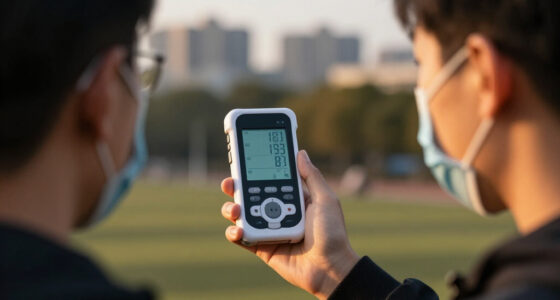
Local authorities, including the Chicago Department of Public Health, have issued health advisories recommending that sensitive groups—such as children, the elderly, and individuals with respiratory conditions—reduce outdoor exertion. Schools and outdoor event organizers are also advised to monitor air quality reports and adjust activities accordingly. The city has increased air quality monitoring efforts, deploying additional sensors to track pollution levels in real time.
Health and Urban Air Quality Impact of Wildfire Smoke
The worsening air quality in Chicago highlights the broader health risks associated with wildfire smoke, which can cause respiratory issues, aggravate asthma, and increase cardiovascular problems. It also emphasizes the vulnerability of urban populations to regional environmental events, underscoring the importance of preparedness and public health responses in the face of climate-related wildfire activity.
As an affiliate, we earn on qualifying purchases.
Regional Wildfires and Their Effect on Chicago’s Air
Over the past week, multiple wildfires have burned across Canada, particularly in Quebec and Ontario, releasing large amounts of smoke into the atmosphere. Wind patterns have carried this smoke southward, impacting air quality in several U.S. cities, including Chicago. This phenomenon is part of a growing pattern where regional wildfires influence urban air conditions, especially during dry and windy seasons. Historically, wildfire smoke has been a seasonal concern, but recent trends suggest increasing frequency and intensity, raising public health concerns.
“We are closely monitoring the air quality and advising residents, especially vulnerable groups, to limit outdoor activities until conditions improve.”
— Chicago Department of Public Health spokesperson
portable air purifier for wildfire smoke
As an affiliate, we earn on qualifying purchases.
As an affiliate, we earn on qualifying purchases.
Uncertainties About Duration and Future Air Quality
It is not yet clear how long the elevated air pollution levels will persist in Chicago. While forecasts suggest that wind patterns may shift, leading to improved air quality within the next 24 to 48 hours, ongoing wildfire activity and weather conditions remain unpredictable. The full health impact of prolonged exposure during this period is also still being assessed by health officials.
As an affiliate, we earn on qualifying purchases.
Monitoring and Forecasts for Air Quality Improvement
Authorities will continue to monitor air quality levels closely, providing updated forecasts and health advisories. Experts expect that if wind patterns shift away from the city or wildfire activity diminishes, air quality should improve within the next one to two days. Public health agencies will also evaluate the need for additional protective measures, especially for vulnerable populations.
HEPA air purifier for respiratory health
As an affiliate, we earn on qualifying purchases.
As an affiliate, we earn on qualifying purchases.
Key Questions
How bad is the air quality in Chicago right now?
The air quality index (AQI) has reached 160, categorized as ‘Unhealthy for Sensitive Groups,’ according to the EPA’s AirNow platform. This indicates that some people may experience health effects, especially those with pre-existing conditions.
What health precautions should residents take?
Residents, particularly vulnerable groups, should reduce outdoor activities, stay indoors as much as possible, and use air purifiers if available. Wearing masks may also help in outdoor settings during high pollution periods.
Will the air quality improve soon?
Forecasts suggest that air quality could improve within 24 to 48 hours if wind patterns change and wildfire activity decreases. Monitoring updates from local authorities will provide the latest information.
Are wildfires in Canada the only source of pollution?
Currently, the primary source of the elevated particulate matter is wildfire smoke from Canada. However, other local pollution sources, such as traffic and industry, also contribute to overall air quality but are not the main cause of the recent spike.
Source: google-trends