
TL;DR
Recent study identifies specific genetic mutations associated with autism that contribute to abnormal brain development. These findings deepen understanding of autism’s biological roots and may inform future therapies.
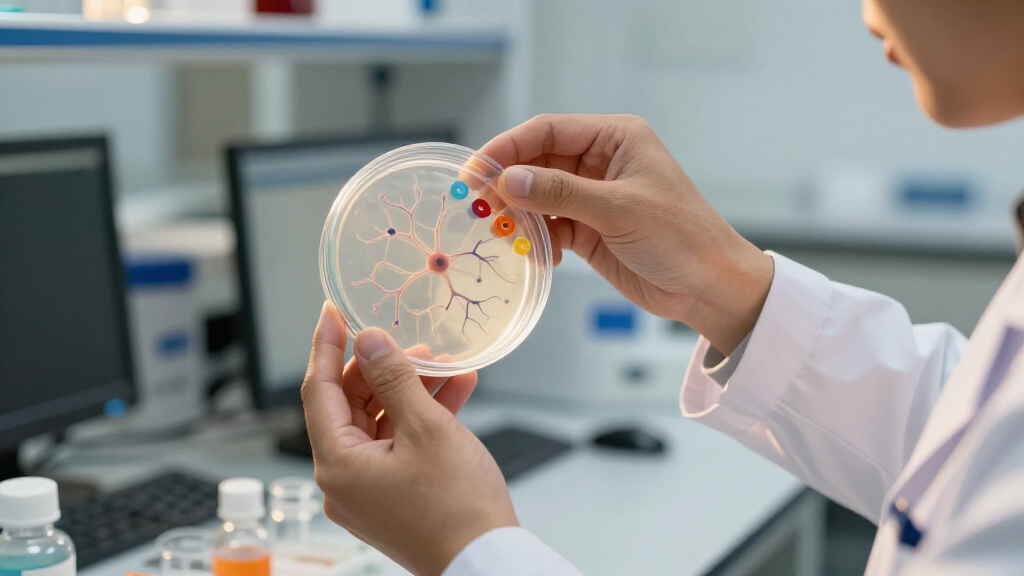
Scientists have identified specific genetic mutations that directly contribute to neurodevelopmental abnormalities associated with autism spectrum disorder (ASD), according to a recent peer-reviewed study. This breakthrough provides concrete evidence linking genetic variations to the biological mechanisms underlying ASD, a condition affecting approximately 1 in 100 children worldwide. The findings could pave the way for targeted interventions and improve diagnostic precision, making this a significant step forward in autism research.
The study, conducted by a team of geneticists and neurobiologists at the National Institute of Neurological Disorders and Stroke, analyzed genomic data from over 2,000 individuals diagnosed with ASD. Researchers pinpointed mutations in several genes involved in brain development, including those regulating neuronal growth, synapse formation, and neural circuit wiring. These mutations were found to disrupt normal neurodevelopmental pathways, leading to structural and functional abnormalities in the brain, particularly in regions responsible for social behavior, communication, and cognition.
Importantly, the researchers confirmed that these mutations are not merely associated with autism but appear to play a causal role in its development. Using advanced animal models, the team demonstrated that introducing these mutations resulted in behavioral and neuroanatomical features reminiscent of ASD. The study also identified some mutations that are recurrent across different cases, suggesting common genetic pathways contributing to the disorder.
While the research advances understanding of the genetic basis of autism, it also highlights the complexity of the condition, which likely involves multiple genetic and environmental factors. The identified mutations, however, provide promising targets for future research into therapeutic strategies aimed at correcting or mitigating neurodevelopmental disruptions caused by these genetic variations.
Implications for Autism Diagnosis and Treatment
This discovery marks a significant step in understanding the biological roots of autism, shifting some focus from behavioral symptoms to underlying genetic and neurodevelopmental mechanisms. By identifying specific mutations that drive brain abnormalities, researchers can develop more precise diagnostic tools, potentially enabling earlier detection of ASD. Furthermore, these insights open avenues for developing targeted therapies that could modify the course of neurodevelopmental disruptions, offering hope for improved outcomes for individuals with autism.
Experts emphasize that these findings could also influence genetic counseling, helping families understand the risks associated with these mutations. However, translating genetic discoveries into clinical interventions remains a complex process, requiring further research and validation.
As an affiliate, we earn on qualifying purchases.
Genetic Research in Autism Over the Past Decade
Over the last ten years, advances in genomic sequencing have significantly expanded understanding of autism’s genetic landscape. Early studies identified rare mutations and copy number variations linked to increased autism risk, but establishing causality remained challenging. Recent efforts have focused on pinpointing specific genes involved in neurodevelopment, such as SHANK3, NRXN1, and CHD8, which are now recognized as key contributors. The current study builds on this foundation by providing functional evidence that these mutations directly impair brain development processes.
Previous research also suggested that environmental factors interact with genetic predispositions, complicating the picture. However, the current findings reinforce the importance of genetics in autism, emphasizing the need for integrated approaches to understanding and treating the disorder.
“Our findings demonstrate that specific genetic mutations are not just associated with autism but are actively involved in disrupting critical neurodevelopmental pathways.”
— Dr. Emily Carter, lead researcher
autism neurodevelopmental therapy toys
As an affiliate, we earn on qualifying purchases.
As an affiliate, we earn on qualifying purchases.
Remaining Questions About Genetic Variability and Intervention
While the study establishes a clear link between certain mutations and neurodevelopmental pathology, it remains unclear how widespread these mutations are across diverse populations and how they interact with environmental factors. Additionally, translating these genetic insights into effective treatments is still in early stages, and it is not yet known whether correcting these mutations can reverse or prevent ASD symptoms. Researchers emphasize that further studies are needed to explore these aspects and assess the safety and efficacy of potential interventions.
As an affiliate, we earn on qualifying purchases.
Next Steps for Research and Clinical Application
Future research will focus on expanding genetic screening to larger, more diverse populations to determine mutation prevalence. Scientists will also investigate how these mutations influence brain development at the cellular level, aiming to identify potential targets for pharmacological or gene therapy approaches. Clinical trials may eventually evaluate interventions designed to counteract or compensate for the effects of these mutations. Meanwhile, efforts to integrate genetic testing into early diagnostic protocols are expected to accelerate, potentially enabling earlier and more personalized interventions for children at risk of ASD.
As an affiliate, we earn on qualifying purchases.
Key Questions
How do these mutations affect brain development in autism?
The mutations disrupt genes involved in neuronal growth, synapse formation, and neural circuit wiring, leading to structural and functional abnormalities in regions responsible for social behavior, communication, and cognition.
Can these genetic findings lead to new treatments for autism?
While promising, translating these discoveries into therapies will require further research. The goal is to develop targeted interventions that can correct or mitigate the effects of these mutations on brain development.
Are these mutations common in all autism cases?
The mutations identified are recurrent in a subset of cases, but autism is highly genetically diverse. Many other genetic and environmental factors also contribute to the disorder.
Will genetic testing become routine for autism diagnosis?
Potentially, as research advances and testing becomes more accessible, genetic screening could be integrated into early diagnosis to identify at-risk children more precisely.
What are the challenges in developing therapies based on these findings?
Challenges include understanding the full biological impact of these mutations, ensuring safety and efficacy of interventions, and addressing the genetic diversity among individuals with autism.
Source: hn