
TL;DR

Get health and wellness essentials delivered free with Prime
- Fast, free delivery on millions of items
- Prime Video, Amazon Music and more included
- Member-only deals all year
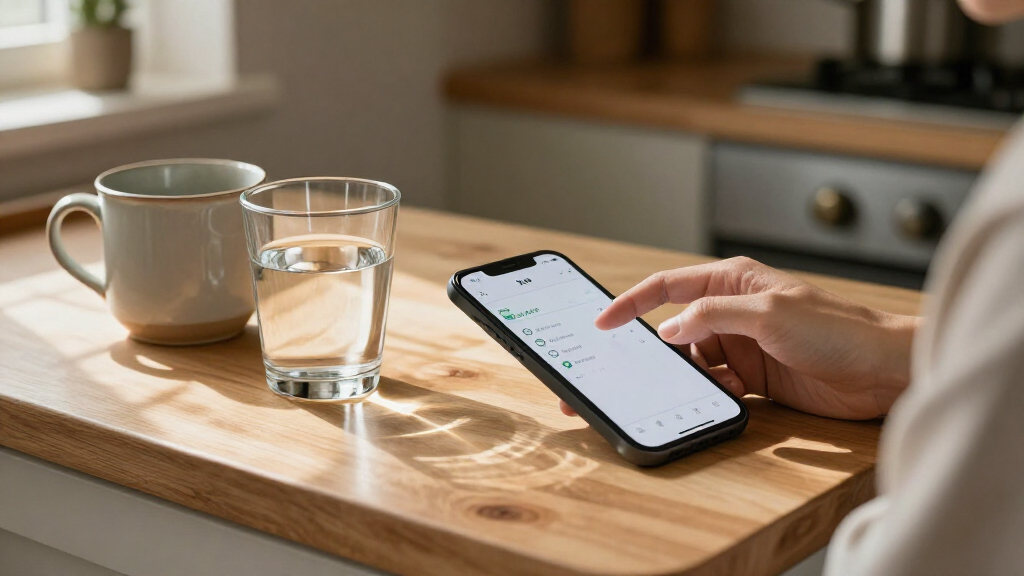
A Sixty and Me report recommends keeping a new habit to five minutes a day, choosing just one activity and attaching it to an existing routine. The article presents practical guidance, not research evidence that the approach works for everyone.
Sixty and Me has published advice for making a daily habit easier to maintain: choose one activity, keep it to five minutes, and tie it to a routine already in the day. The report argues that a small commitment may be easier to resume when schedules change, though it does not cite research establishing that the method works for everyone.
The report contrasts short routines with ambitious plans, such as walking for an hour or reading a chapter each day. It says those plans can be disrupted by illness, moved appointments, poor weather or other demands. Its central recommendation is to make the habit small enough to do even on a difficult day, rather than treating a missed or shortened session as proof of a lack of discipline.
Suggested five-minute activities include reading a page, walking to the end of the street and back, writing a journal page, stretching at a kitchen counter, calling someone, writing a few lines or watering a plant. The report advises choosing one activity, rather than combining several tasks into a larger daily commitment.
To make the habit easier to remember, Sixty and Me suggests attaching it to an established cue, such as putting on the kettle, taking a morning tablet or sitting in a particular chair after lunch. If a day is missed, the guidance is to return the next day with the smallest version of the activity. The article suggests reviewing progress after a month, but does not provide measured results or a comparison with longer routines.
A Smaller Commitment May Be Easier to Resume
The advice addresses a familiar practical problem: routines often collide with changing schedules and energy levels. A five-minute limit gives readers a specific way to lower the time commitment, while linking the activity to an existing cue may reduce the need to remember it from scratch.
The report also frames consistency as returning after an interruption, rather than maintaining an unbroken streak. That distinction may help readers avoid abandoning a routine after a missed day. Still, these are the article’s recommendations and interpretations; the source material does not report a study showing that five-minute habits produce better adherence or health outcomes.
Products Worth Considering

Fitbit Inspire 3 Health and Fitness Tracker Bundle

Fitbit Sense 2 Smartwatch – Blue Mist / Pale Gold

Garmin Forerunner 70 GPS Running Smartwatch, 43 mm, Black
As an affiliate, we earn on qualifying purchases.
How the Report Structures a Daily Habit
The Sixty and Me piece is a practical lifestyle report, not an announcement of a program or a new research finding. It starts from the gap between plans made for an ideal week and the disruptions of ordinary life, then offers a short routine as an alternative. Its examples range from movement and reading to writing, social contact and household care.
The report’s method has three parts: select a single task, place it at a familiar time or location, and resume promptly after a missed day. Its suggested one-month check-in is a way to notice whether the chosen activity has become more familiar—for example, whether a short walk feels less like a fresh decision. No formal tracking system or evidence standard is supplied.
“A habit needs a home before it needs a reason.”
— Sixty and Me report
No Evidence or Outcomes Are Reported
The source material does not give a publication date, identify an author, cite scientific studies or report reader outcomes. It is therefore unclear whether the five-minute approach has been tested against longer routines, how often people following it keep the habit, or which activities and schedules it suits best. The article’s claims about what makes a habit stick should be understood as practical guidance, not established findings or a guarantee.
Readers Can Test One Small Routine
The report invites readers to choose an activity and try it for five minutes in a place or at a time already built into the day. It also mentions a free seven-day guide available on the Sixty and Me website for readers seeking prompts. The source does not say whether the guide has been independently evaluated or report any planned follow-up findings.
A reader following the advice could check after a month whether the routine was manageable and whether it was resumed after missed days. That would be a personal check-in, not a measure of proven effectiveness. Any broader conclusion about how well the method works would require evidence beyond the report.
Key Questions
What does the five-minute habit method recommend?
Choose one activity, do it for five minutes a day, and connect it to an existing routine or familiar place so it is easier to remember.
What activities does the report suggest?
Examples include reading a page, taking a short walk, journaling, stretching, calling someone, writing a few lines or watering a plant.
What should someone do after missing a day?
The report recommends returning the next day, even with a shorter version of the activity. It says a missed day need not mean the routine is over.
Does the report prove that five-minute habits work?
No. The article offers practical advice but does not cite studies, provide measured outcomes or compare the approach with longer routines.
Source: rss