
TL;DR
Gavi has approved a $180 million fund to develop vaccine manufacturing facilities across Africa. This move aims to strengthen local production, enhance pandemic preparedness, and improve vaccine access. Details on implementation are still emerging.
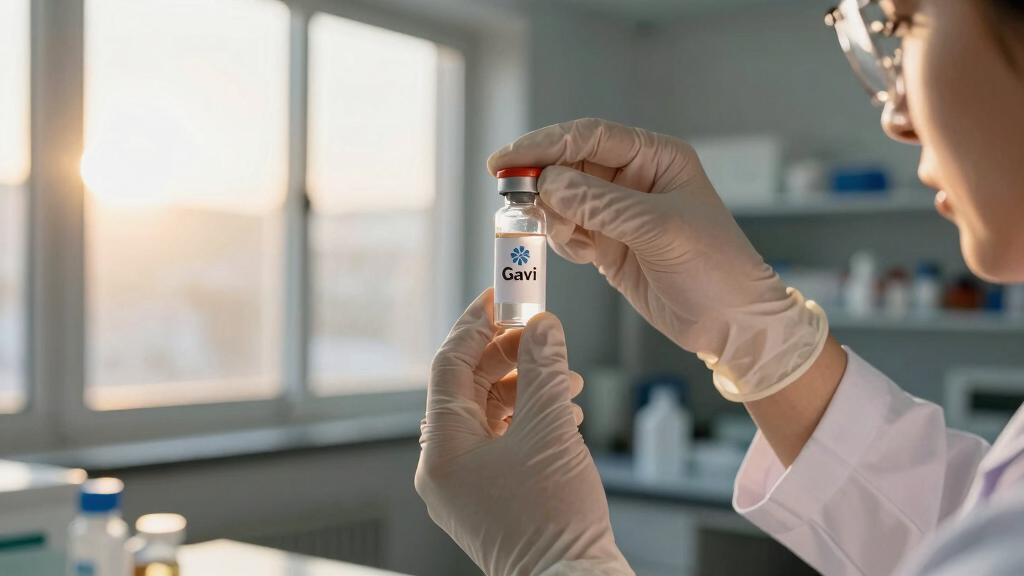
Gavi, the Vaccine Alliance, has approved a $180 million fund to support the development of vaccine manufacturing facilities across Africa. This decision aims to enhance the continent’s ability to produce vaccines locally, reducing dependency on imports and improving access to immunizations. The funding was announced on March 15, 2024, and reflects Gavi’s broader strategy to strengthen health systems in developing regions.
The $180 million allocation will be used to establish and upgrade vaccine manufacturing plants in multiple African countries, including Nigeria, Senegal, and South Africa, according to Gavi officials. The funds are part of a larger effort to build sustainable local production capacity, which could help address vaccine shortages and respond more swiftly to future health emergencies.
Gavi’s CEO, Dr. Seth Berkley, stated, “This investment is a critical step toward self-sufficiency in vaccine production for Africa. It will enable the continent to better protect its populations and contribute to global health security.” The funding is expected to support infrastructure development, workforce training, and technology transfer over the next five years.
While the initiative has received broad support from governments and international partners, some experts caution that challenges such as regulatory hurdles, supply chain issues, and technical capacity must be addressed to realize its full potential.
Impact of Local Vaccine Manufacturing on Africa’s Health Security
This funding could significantly improve vaccine access and health outcomes in Africa by reducing reliance on external suppliers and supply chains vulnerable to disruption. It also positions the continent to respond more effectively to pandemics, as local manufacturing can accelerate vaccine availability during crises.
Moreover, developing vaccine production capacity may stimulate economic growth and create jobs, contributing to broader development goals. However, the success of this initiative depends on overcoming technical, regulatory, and logistical challenges.

As an affiliate, we earn on qualifying purchases.
Previous Efforts to Boost Vaccine Capacity in Africa
Historically, Africa has faced challenges in vaccine access due to limited local manufacturing and heavy dependence on imports from Europe, Asia, and North America. During the COVID-19 pandemic, delays in vaccine supply underscored the need for local production capabilities.
Gavi has previously supported vaccine initiatives in Africa, including funding for cold chain infrastructure and immunization programs. The current $180 million investment marks a significant step toward establishing sustainable manufacturing hubs, building on past efforts and international partnerships like COVAX.
“”This investment is a critical step toward self-sufficiency in vaccine production for Africa. It will enable the continent to better protect its populations and contribute to global health security.””
— Dr. Seth Berkley, Gavi CEO

Medical Vaccine Transport Carrier with 4 Ice Packs, Blue, Large 2.40L Capacity, Cold Chain Storage Container
- Capacity: 2.40L large vaccine carrier
- Ice Packs: Includes 4 reusable ice packs
- Durable Construction: Blue exterior with secure lid
As an affiliate, we earn on qualifying purchases.
As an affiliate, we earn on qualifying purchases.
Key Challenges and Implementation Uncertainties
Details about the specific countries, timelines, and operational plans for the funded facilities are still emerging. Challenges such as regulatory approval processes, technology transfer, and supply chain logistics could affect project timelines and outcomes. It is also unclear how quickly the infrastructure can be developed and how the local workforce will be trained to manage vaccine production at scale.

First Aid Training Kits, Basic 100-Pack | MCR Medical
- Number of Kits: 100 individually packaged kits
- Kit Contents: Gauze pads, gloves, rolled gauze
- Latex Free: Latex-free materials
As an affiliate, we earn on qualifying purchases.
As an affiliate, we earn on qualifying purchases.
Next Steps for Vaccine Manufacturing Expansion in Africa
Gavi and partner governments are expected to announce detailed implementation plans within the coming months, including the selection of manufacturing sites and partnership agreements. Progress will be monitored through regular updates, with initial infrastructure projects potentially starting within the next year. Long-term, the initiative aims to establish Africa as a regional hub for vaccine production, contributing to global health security.
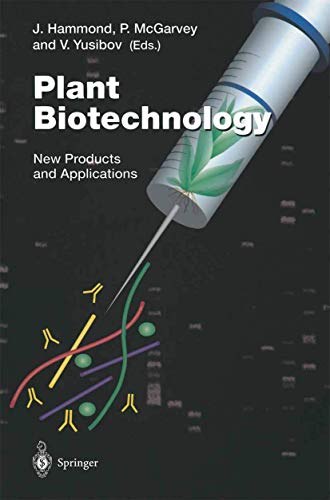
Plant Biotechnology: New Products and Applications (Current Topics in Microbiology and Immunology, 240)
As an affiliate, we earn on qualifying purchases.
As an affiliate, we earn on qualifying purchases.
Key Questions
Which countries will benefit from the $180 million funding?
The funds are expected to support vaccine manufacturing facilities in Nigeria, Senegal, South Africa, and other African nations, though specific sites are still being finalized.
When will the new vaccine manufacturing facilities be operational?
Initial infrastructure development could begin within the next 12 months, with full operational capacity expected within five years, depending on project progress and regulatory approvals.
How will this funding improve vaccine access in Africa?
By establishing local manufacturing, Africa can produce vaccines more quickly and cost-effectively, reducing reliance on imports and improving immunization coverage, especially during health emergencies.
What are the main challenges facing this initiative?
Challenges include regulatory hurdles, technical capacity, supply chain logistics, and ensuring sustainable funding and workforce training to operate manufacturing facilities effectively.
Is this part of a broader global health strategy?
Yes, it aligns with efforts by Gavi and international partners to strengthen health systems and pandemic preparedness, particularly in low- and middle-income countries.
Source: google-trends