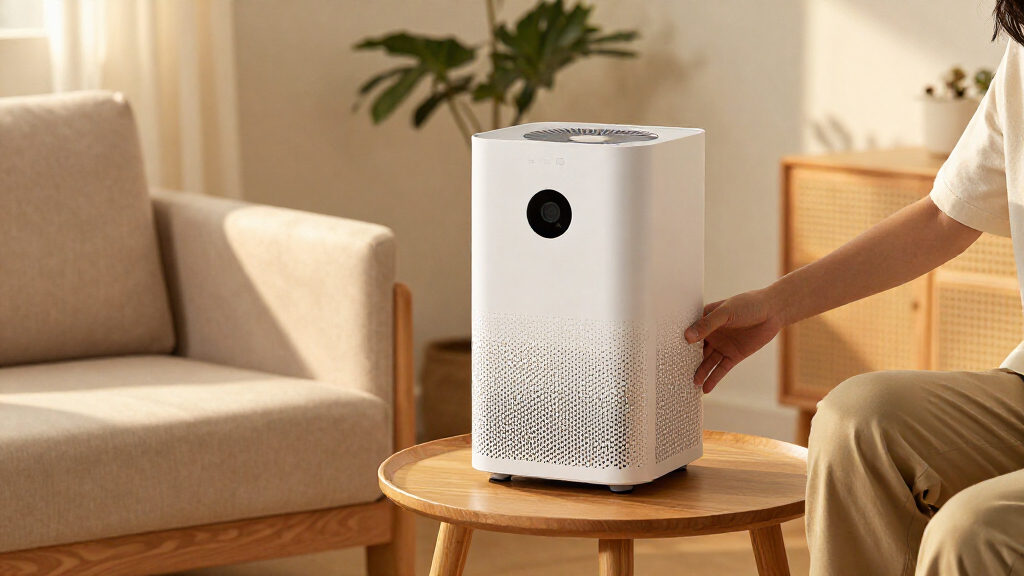

Portable air purifiers for allergies vary most in how much air they can clean, how easy they are to move, and what they ask of you in filter upkeep. My best overall pick is the Blueair Blue Pure 511i Max for its combination of room-focused cleaning and smart controls; the Levoit Core 300-P is a strong alternative for shoppers who want a familiar, straightforward room purifier, while the Pure Enrichment PureZone Mini suits personal-space use. The main tradeoff is that the smallest units are easy to carry but cannot serve as a substitute for a room-sized purifier. Larger models cover more space, though they take up more room and may involve more maintenance. Read on for the full breakdown and help matching a purifier to your room and routine.

Get health and wellness essentials delivered free with Prime
- Fast, free delivery on millions of items
- Prime Video, Amazon Music and more included
- Member-only deals all year
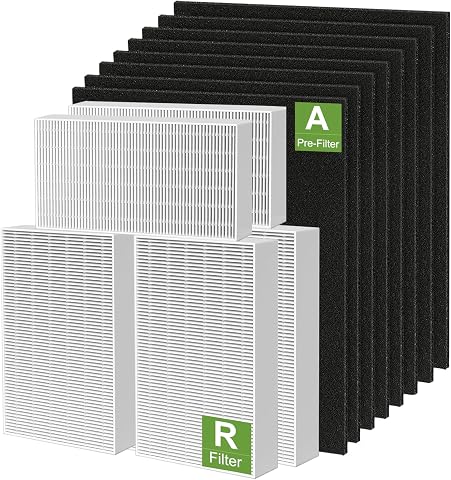
Complete the kit


Key Takeaways
- The lineup serves two different jobs: the PureZone Mini is suited to personal space, while models such as the Blueair Blue Pure 511i Max and Levoit Core 300-P are more appropriate for cleaning the air across a room.
- Smart controls are not the same as better allergy filtration: the Blueair 511i Max, Pure Air PA6 Wozoyo, and DREO add monitoring or connected features, but buyers still need to match cleaning capacity to the room.
- Large coverage claims deserve scrutiny: models listing very large areas, including the VOOPNU and FULMINARE, should be compared using the room conditions and cleaning rate behind the claim, not the headline area alone.
- Portable does not always mean convenient to maintain: the 3-in-1 Cobectal and several other multi-function units may suit buyers seeking a compact appliance, but filter replacement access and availability matter for continued use.
- The strongest choice depends on where allergens bother you: a bedroom user may value sleep settings and low-distraction operation, while someone moving between workspaces may get more practical benefit from a genuinely compact personal unit.
| Pure Enrichment PureZone Mini Portable Air Purifier |  | Best for Personal, Cordless Use | Filtration: Two-stage: activated carbon pre-filter and True HEPA filter | Air coverage: 6 square feet in 12 minutes | Battery life: Up to 12 hours on low | VIEW LATEST PRICE | See Our Full Breakdown |
| VOOPNU Compact Air Purifier for Home, Covers Up to 1,076 sq ft, White |  | Best for Quiet, Flexible Placement | Coverage: Up to 1,076 sq ft | Dimensions: 6.69 × 6.69 × 9.84 inches | Filtration: Triple-layer filtration; captures 99.97% of airborne pollutants | VIEW LATEST PRICE | See Our Full Breakdown |
| Levoit Core Mini-P Air Purifier |  | Best for Simple Small-Room Use | Input: 100–240V, 50/60 Hz | Noise level: 27–45 dB | Dimensions: 6.5 × 6.5 × 10.4 inches (16.4 × 16.4 × 26.4 cm) | VIEW LATEST PRICE | See Our Full Breakdown |
| Blueair Blue Pure 511i Max Smart Air Purifier |  | Best Smart Pick for Bedrooms | Coverage: Up to 1,138 sq ft per hour | Cleaning speed: 237 sq ft in about 12.5 minutes | Filtration: HEPASilent dual filtration | VIEW LATEST PRICE | See Our Full Breakdown |
| Pure Air PA6 Wozoyo Smart WiFi Air Purifier for Large Rooms |  | Best for Large-Room Allergy Coverage | Model: PA6 | Filtration: Pre-filter, True HEPA, and activated carbon | CADR: 363 CFM | VIEW LATEST PRICE | See Our Full Breakdown |
| Pure Air PA2 Air Purifier for Home and Bedroom |  | Best for Larger Rooms at a Gentle Cleaning Pace | Airflow: 75 CFM CADR | Coverage: Up to 563 ft² at 1 ACH | Filtration: Pre-filter, True HEPA, and activated carbon | VIEW LATEST PRICE | See Our Full Breakdown |
| KNKA APH4000 Air Purifier for Home, Black |  | Best for Pet Homes and Hands-On Air Monitoring | Model: APH4000 | Pollen CADR: 244 CFM (415 m³/h) | Smoke/dust/PM2.5 CADR: 226 CFM (384 m³/h) | VIEW LATEST PRICE | See Our Full Breakdown |
| DREO Air Purifier with HEPA Filtration, PM2.5 Monitor, Auto and Sleep Modes |  | Best for Sensor-Guided Allergy Control | Model: DR-HAP008 (Dreo 338) | CADR: 115 CFM | Coverage: Up to 178 ft² at 4.8 ACH; up to 856 ft² at 1 ACH | VIEW LATEST PRICE | See Our Full Breakdown |
| AromaRoom True HEPA Air Purifier for Bedroom and Baby Room |  | Best for Simple, Quiet Bedroom Use | Coverage: Up to 323 ft² at 2 air circulations per hour | Filtration: True HEPA and smoke-remover filter | Target particle size: 0.1–0.3 microns | VIEW LATEST PRICE | See Our Full Breakdown |
| Home Air Purifier with True HEPA Filter for Pets, Smoke & Allergies |  | Best Compact USB-C Pick | Filtration: Pre-filter, True HEPA, and activated carbon | Coverage: Up to 600 ft²; 230 ft² at 4 ACH | Air changes per hour: 4 ACH in 230 ft² | VIEW LATEST PRICE | See Our Full Breakdown |
| Cobectal Portable Air Purifier for Bedroom Home, 3-in-1 Filter, Black |  | Best for Flexible Small-Space Use | Coverage area: Up to 1,050 ft² | Filter: Three-layer (3-in-1) | Air inlet: 360° | VIEW LATEST PRICE | See Our Full Breakdown |
| PuroAir 130i Smart HEPA Air Purifier for Home and Pets |  | Best Smart Pick for Pet Allergens | Coverage: Up to 750 sq ft in one hour | Filter: Three-layer HEPA with CarbonTech | Stated filtration efficiency: 99.9% of pollutants | VIEW LATEST PRICE | See Our Full Breakdown |
| Levoit Core 300-P Air Purifier |  | Best for Verified Allergy-Particle Performance | Model: Core 300-P | Filter: 3-in-1 filtration | Filtration efficiency: 99.97% for 0.1–0.3 micron particles | VIEW LATEST PRICE | See Our Full Breakdown |
| FULMINARE H13 True HEPA Air Purifier for Rooms up to 1,086 sq ft |  | Best for Quiet, Scheduled Nighttime Use | Filter: H13 HEPA | Coverage: Up to 1,086 sq ft at 5 air changes per hour | Air outlet: 360° | VIEW LATEST PRICE | See Our Full Breakdown |
| Purivortex PX500 Air Purifier for Rooms up to 880 Sq Ft, Black |  | Best for Odors Alongside Allergens | Model and color: PX500, black | Coverage: Up to 880 sq ft at one air cycle per hour | Filter layers: Pre-filter, HEPA filter, and activated carbon | VIEW LATEST PRICE | See Our Full Breakdown |
| portable air purifiers for allergie | Coverage | Filtration |
|---|---|---|
| Pure Enrichment PureZone Mini | — | Two-stage: activated carbon pre-filter and True HEPA filter |
| VOOPNU Compact Air Purifier fo | Up to 1,076 sq ft | Triple-layer filtration; captures 99.97% of airborne pollutants |
| Levoit Core Mini-P Air Purifie | — | Pre-filter and main filter |
| Blueair Blue Pure 511i Max Sma | Up to 1,138 sq ft per hour | HEPASilent dual filtration |
| Pure Air PA6 Wozoyo Smart WiFi | Up to 2,723 sq ft at 1 ACH | Pre-filter, True HEPA, and activated carbon |
| Pure Air PA2 Air Purifier for | Up to 563 ft² at 1 ACH | Pre-filter, True HEPA, and activated carbon |
| KNKA APH4000 Air Purifier for | — | Dual cartridges with washable pre-filter, high-efficiency filter, and activated carbon |
| DREO Air Purifier with HEPA Fi | Up to 178 ft² at 4.8 ACH; up to 856 ft² at 1 ACH | — |
| AromaRoom True HEPA Air Purifi | Up to 323 ft² at 2 air circulations per hour | True HEPA and smoke-remover filter |
| Home Air Purifier with True HE | Up to 600 ft²; 230 ft² at 4 ACH | Pre-filter, True HEPA, and activated carbon |
| Cobectal Portable Air Purifier | — | — |
| PuroAir 130i Smart HEPA Air Pu | Up to 750 sq ft in one hour | — |
| Levoit Core 300-P Air Purifier | — | — |
| FULMINARE H13 True HEPA Air Pu | Up to 1,086 sq ft at 5 air changes per hour | — |
| Purivortex PX500 Air Purifier | Up to 880 sq ft at one air cycle per hour | — |
More Details on Our Top Picks
Pure Enrichment PureZone Mini Portable Air Purifier
For allergy relief on the move, the PureZone Mini is the clearest personal-use pick here: it weighs less than a pound, runs on a rechargeable battery, and has a removable adjustable handle for carrying or positioning nearby. Its activated carbon pre-filter and True HEPA filter target odors and airborne particles such as pollen, but its stated coverage is just 6 square feet in 12 minutes. That makes it a companion for a desk, bedside, or travel setup—not a substitute for a room purifier. Compared with the Levoit Core Mini-P, this model adds cordless operation and a longer stated low-speed runtime, while the Levoit is designed to plug into a room setup. The tradeoff is limited personal coverage, and the 12-hour battery figure applies only on low.
Pros:- Cordless rechargeable design supports use away from an outlet
- Two-stage filtration combines activated carbon with True HEPA
- Three fan speeds and a removable adjustable handle offer flexible positioning
- Can also serve as a personal cooling fan on high
Cons:- Stated coverage is only 6 square feet in 12 minutes
- Up-to-12-hour battery life is specified only for the low setting
Best for: People who want a lightweight, rechargeable purifier close to their face at a desk, bedside, or while traveling.
Not ideal for: Buyers trying to reduce allergens throughout a bedroom or living area; its stated coverage is limited to a small personal space.
- Filtration:Two-stage: activated carbon pre-filter and True HEPA filter
- Air coverage:6 square feet in 12 minutes
- Battery life:Up to 12 hours on low
- Fan speeds:3
- Weight:Less than 1 pound
- Warranty:5 years
- Included accessories:2-in-1 filter and USB charging cable
- Color:Starlight Blue
Our verdict“Choose the PureZone Mini when portability and close-range personal use matter more than cleaning an entire room.”
VOOPNU Compact Air Purifier for Home, Covers Up to 1,076 sq ft, White
The VOOPNU’s strongest case is its blend of a small footprint and low stated noise: at 6.69 inches wide and as little as 22 dB, it can fit on a nightstand or in a compact work area without demanding much space. Its 360° intake and triple-layer filtration are aimed at broad particle capture, and the listed coverage reaches 1,076 square feet. That coverage figure alone does not say how quickly the unit cleans a space, so I would not treat it as equivalent to a higher-capacity purifier. The Blueair Blue Pure 511i Max offers app control, air-quality sensing, and a stated cleaning rate; VOOPNU instead emphasizes simple placement and optional fragrance through its oil tray. It also calls for continuous operation for best results, and the manufacturer warns that off-brand replacement filters may affect performance or damage the unit.
Pros:- Compact dimensions allow flexible placement
- Noise level is listed as low as 22 dB
- 360° air intake and triple-layer filtration support room-air circulation and particle capture
- Essential oil tray provides an optional fragrance feature
Cons:- Coverage is listed without a corresponding air-cleaning rate
- Manufacturer recommends continuous operation for best results
- Off-brand replacement filters may reduce performance or damage the unit
Best for: Light sleepers or apartment dwellers who want a compact purifier for a bedroom or work area and value quiet operation.
Not ideal for: Buyers who need a clearly stated room-cleaning rate, smart monitoring, or freedom to use third-party replacement filters.
- Coverage:Up to 1,076 sq ft
- Dimensions:6.69 × 6.69 × 9.84 inches
- Filtration:Triple-layer filtration; captures 99.97% of airborne pollutants
- Noise level:As low as 22 dB
- Airflow:360° surround air intake
- Certifications:DOE, ETL, FCC, CARB, CE, RoHS
- Essential oil tray:Add 3–5 drops
Our verdict“Pick the VOOPNU for quiet, compact placement when its filter guidance and unspecified cleaning rate fit your needs.”
Levoit Core Mini-P Air Purifier
The Levoit Core Mini-P suits buyers who want a compact plug-in purifier for one small area rather than a portable unit to carry around. Its pre-filter and main filter address lint, hair, pet dander, fine airborne pollutants, and smoke particles, while the unit is also designed to help with odors and fumes. Sleep mode and an auto-off display make it a straightforward bedside option, and the aromatherapy feature adds a choice that the PureZone Mini does not list. Unlike that cordless PureZone, the Levoit’s product data does not specify a battery, so it is better thought of as a small-room appliance than a travel companion. Its listed noise range is 27–45 dB, and the compact format comes with the same basic limitation as the VOOPNU: it is designed for small spaces, not whole-home allergy control.
Pros:- Pre-filter and main filter capture hair, lint, pet dander, fine particles, and smoke particles
- Designed to help neutralize odors and fumes
- Sleep mode and auto-off display support bedside use
- Compact dimensions suit small rooms and surfaces
Cons:- Designed for small spaces rather than broad room coverage
- Noise is listed across a 27–45 dB range
- Overfilling the aromatherapy feature with essential oil may damage plastic parts
Best for: Bedroom, office, or kitchen users who need a compact purifier for a small space and want sleep mode with simple controls.
Not ideal for: Travelers seeking cordless operation or households expecting one compact unit to clean a large room.
- Input:100–240V, 50/60 Hz
- Noise level:27–45 dB
- Dimensions:6.5 × 6.5 × 10.4 inches (16.4 × 16.4 × 26.4 cm)
- Filtration:Pre-filter and main filter
- Particles addressed:Lint, hair, pet dander, fine airborne pollutants, and smoke particles
- Controls and modes:Sleep mode and auto-off display
- Aromatherapy guidance:Use 2–3 drops of essential oil
Our verdict“Choose the Core Mini-P for a small, stationary room setup with sleep features, not for cordless personal use or large spaces.”
Blueair Blue Pure 511i Max Smart Air Purifier
The Blue Pure 511i Max ranks ahead of simpler compact options for buyers who want a bedroom purifier to react to changing air conditions. Its sensors can adjust fan speed, while the app adds monitoring and scheduling; those features make it more hands-off than the Levoit Core Mini-P, which is a simpler small-space choice. Blueair lists HEPASilent filtration capturing 99.97% of airborne particles down to 0.1 microns, with noise as low as 19 dB—useful traits for a room where sleep matters. The stated cleaning rate is also more informative than a coverage figure alone: it lists 237 square feet in about 12.5 minutes, alongside up to 1,138 square feet per hour. Still, this is positioned for small rooms and bedrooms, not as a portable personal purifier like the PureZone Mini.
Pros:- Air-quality sensors can adjust fan speed automatically
- App supports monitoring and scheduling
- HEPASilent filtration is specified to capture 99.97% of particles down to 0.1 microns
- Noise level is listed as low as 19 dB
Cons:- Designed primarily for small rooms and bedrooms
- Smart controls may be unnecessary for buyers who want a basic, portable personal purifier
Best for: Bedroom users who want automatic fan adjustment, app scheduling, and quiet operation while targeting pollen, dust, and pet dander.
Not ideal for: People who need a battery-powered purifier to carry between locations or a unit intended for large-room coverage.
- Coverage:Up to 1,138 sq ft per hour
- Cleaning speed:237 sq ft in about 12.5 minutes
- Filtration:HEPASilent dual filtration
- Particle capture:99.97% of airborne particles down to 0.1 microns
- Noise level:As low as 19 dB
- Controls:Air-quality sensors and mobile app
- Air intake:360°
Our verdict“Choose the Blue Pure 511i Max for a quiet bedroom setup with app control and automatic response to air quality.”
Pure Air PA6 Wozoyo Smart WiFi Air Purifier for Large Rooms
Among these five, the Pure Air PA6 is the room-scale option: its 363 CFM CADR and three-stage filter make it a different proposition from the personal PureZone Mini or bedroom-focused Blueair Blue Pure 511i Max. The pre-filter, True HEPA, and activated carbon are intended to address particles such as pet dander and PM2.5 while also targeting odors. Its display reports PM2.5, temperature, and VOC readings, with WiFi, app, and voice control for remote operation. The main qualification is the coverage claim: up to 2,723 square feet at one air change per hour is not the same as rapid, repeated cleaning of that entire area, so room size and desired air-change rate matter. I would also compare its missing noise and replacement-filter details against the better-specified compact models before choosing it for a bedroom.
Pros:- 363 CFM CADR is the highest stated airflow figure among these five products
- Pre-filter, True HEPA, and activated carbon target particles and odors
- Large stated coverage of up to 2,723 square feet
- PM2.5, temperature, and VOC display plus app and voice control
Cons:- Maximum coverage is specified at only one air change per hour
- No noise-level information is provided
- Replacement-filter details are not provided
Best for: Households with a large open living area that want high stated airflow, particle and odor filtration, and connected air-quality monitoring.
Not ideal for: Bedroom buyers who prioritize documented quiet operation, or anyone needing a stated coverage figure at more than one air change per hour.
- Model:PA6
- Filtration:Pre-filter, True HEPA, and activated carbon
- CADR:363 CFM
- Coverage:Up to 2,723 sq ft at 1 ACH
- Monitoring:PM2.5, temperature, and VOC display
- Connectivity:WiFi, app, and voice control
- Warranty:2 years
Our verdict“Choose the PA6 for a large area and connected monitoring, provided its one-air-change coverage claim matches your cleaning needs.”
Pure Air PA2 Air Purifier for Home and Bedroom
The PA2 is a reasonable fit for allergy sufferers who want True HEPA plus activated carbon and a stated reach beyond a typical bedroom. Its 75 CFM airflow is paired with coverage up to 563 square feet, but that figure is rated at only one air change per hour—a modest pace for keeping pollen and dander moving through the filter. By comparison, the DREO lists 4.8 air changes per hour in a smaller 178-square-foot room, making its cleaning rate easier to interpret for active allergy control. The PA2 counters with AHAM Verifide certification, adjustable fan speeds, and a low-noise claim starting at 22 dB, plus a two-year warranty. I would choose it for quieter, broad-area background filtration, not rapid allergen reduction. Filter lifespan and replacement cost are not provided, which makes ongoing upkeep harder to plan.
Pros:- Pre-filter, True HEPA, and activated carbon provide particle and odor filtration.
- Coverage is listed up to 563 square feet.
- Noise is specified from 22 dB, with adjustable fan speeds.
- AHAM Verifide certification and a two-year warranty are stated.
Cons:- The 563-square-foot figure is based on only one air change per hour.
- No filter replacement interval or cost is provided.
Best for: People seeking quiet, background filtration across a larger bedroom or living area, with a two-year warranty.
Not ideal for: Allergy sufferers who need frequent air cleaning in a large room or want clear replacement-filter lifespan and cost details.
- Airflow:75 CFM CADR
- Coverage:Up to 563 ft² at 1 ACH
- Filtration:Pre-filter, True HEPA, and activated carbon
- Noise:≥22 dB
- Features:3D airflow, adjustable fan speed, and night light
- Certification:AHAM Verifide
- Warranty:2 years
Our verdict“Choose the PA2 for quiet, broad-area background filtration, but favor the DREO if a faster stated air-refresh rate matters more.”
KNKA APH4000 Air Purifier for Home, Black
The APH4000 suits allergy-prone homes where pet hair, dander, and odors are part of the daily load. Dual filter cartridges and washable pre-filters give it a more maintenance-focused setup than the DREO, while PET mode, ECO, Auto, and Sleep modes let you tailor operation rather than rely on one basic setting. Its strongest comparison point is the stated 244 CFM pollen CADR; it also lists 226 CFM for smoke, dust, and PM2.5. The room figures need context: 350 square feet at 4.8 air refreshes per hour is much more useful for allergy control than the larger 1,695-square-foot claim at one refresh per hour. Sleep mode is listed at 22–24 dB, and an air-quality display helps track conditions. The tradeoff is frequent filter replacement—every three to six months—and more room for maintenance than a simpler unit such as the PA2.
Pros:- Pollen CADR of 244 CFM and smoke/dust/PM2.5 CADR of 226 CFM are stated.
- Dual cartridges include washable pre-filters and activated carbon.
- PET, ECO, Auto, and Sleep modes provide useful operating choices.
- Real-time air-quality display and filter replacement indicator aid routine monitoring.
Cons:- Filters are recommended for replacement every 3–6 months.
- The broadest coverage figure is based on only one air refresh per hour.
- Dual cartridges may mean more filter upkeep than simpler single-filter designs.
Best for: Pet owners who want a washable pre-filter, dedicated PET mode, and visible air-quality readings in a regularly occupied room.
Not ideal for: Buyers seeking minimal upkeep or relying on the 1,695-square-foot figure for frequent allergen removal.
- Model:APH4000
- Pollen CADR:244 CFM (415 m³/h)
- Smoke/dust/PM2.5 CADR:226 CFM (384 m³/h)
- Room coverage:Up to 350 ft² at 4.8 air refreshes per hour; up to 1,695 ft² at 1 refresh per hour
- Filtration:Dual cartridges with washable pre-filter, high-efficiency filter, and activated carbon
- Sleep mode noise:22–24 dB
- Fan speeds:4
- Filter replacement interval:Every 3–6 months
Our verdict“Pick the APH4000 for pet-focused filtration and clear air-quality feedback, provided you accept regular filter changes.”
DREO Air Purifier with HEPA Filtration, PM2.5 Monitor, Auto and Sleep Modes
The DREO is the clearest choice here for buyers who want to connect air-quality readings with automatic response. Its PM2.5 sensor displays an AQI reading and Auto mode adjusts fan speed as conditions change, reducing the need to keep changing settings manually. The useful coverage figure is up to 178 square feet at 4.8 air changes per hour; its 856-square-foot rating is only at one air change per hour. That makes it a better fit for a bedroom or smaller office than the KNKA APH4000, which offers a higher stated pollen CADR and stronger coverage at a frequent refresh rate. The DREO adds AHAM verification and ENERGY STAR certification, plus a Sleep mode that turns off display lights. Its 115 CFM CADR is moderate, and no specific noise level is supplied, so light sleepers cannot compare its sound directly with the PA2 or AromaRoom.
Pros:- PM2.5 sensor and AQI display provide real-time air-quality feedback.
- Auto mode adjusts purification speed as conditions change.
- AHAM Verified and ENERGY STAR certified.
- Sleep mode dims the display, and four speeds allow manual control.
Cons:- The 4.8-ACH coverage is limited to 178 square feet.
- No specific noise level is provided.
- CADR of 115 CFM is lower than the KNKA APH4000’s stated CADR figures.
Best for: People with allergies in a small bedroom or office who want automatic fan adjustments and a live PM2.5 readout.
Not ideal for: Those needing fast cleaning in a large room or a specified noise level for a quiet sleeping space.
- Model:DR-HAP008 (Dreo 338)
- CADR:115 CFM
- Coverage:Up to 178 ft² at 4.8 ACH; up to 856 ft² at 1 ACH
- Air refresh rate:Every 12.4 minutes in rooms up to 178 ft²
- Filter:Three-layer pre-filter, high-efficiency filter, and activated carbon
- Air-quality monitoring:PM2.5 sensor; AQI display from 1–999
- Modes and speeds:Auto, Turbo, Sleep, and Normal; 4 adjustable speeds
- Annual energy use:Approximately 125 kWh
- Certifications:AHAM Verified; ENERGY STAR certified
Our verdict“Choose the DREO for sensor-led, automatic cleaning in a smaller room, not for high-throughput purification across a large space.”
AromaRoom True HEPA Air Purifier for Bedroom and Baby Room
AromaRoom focuses on straightforward bedroom filtration rather than sensors or high airflow. Its True HEPA and smoke-remover filters target pollen, dust, and other particles, while Sleep mode is specified at 22 dB on low fan speed. That published noise figure gives it a clearer nighttime case than the DREO, whose sleep setting has no stated decibel level. The tradeoff is air turnover: AromaRoom circulates air twice per hour in rooms up to 323 square feet, a slower pace than the DREO’s 4.8 changes per hour in a smaller room. For allergy symptoms that flare during sleep, I would treat this as a quiet, modest-rate option rather than a rapid cleaner. Timers offer convenient shutoff, and the fragrance pad is an optional extra, but scent is not a substitute for particle removal and may not suit scent-sensitive buyers.
Pros:- True HEPA and smoke-remover filtration targets pollen, dust, and smoke particles.
- Sleep mode is specified at 22 dB on low fan speed.
- 2-, 4-, and 8-hour timer settings support scheduled use.
- Includes a removable fragrance pad for users who want optional scent.
Cons:- Coverage up to 323 square feet is stated at only two air circulations per hour.
- Replacement filters are recommended every 3–6 months.
- The fragrance pad may not suit scent-sensitive users, and oils are not included.
Best for: Bedroom users who prioritize a stated low Sleep-mode noise level, basic particle filtration, and timer controls.
Not ideal for: People needing frequent air turnover, air-quality monitoring, or a fragrance-free setup without removing the scent pad.
- Coverage:Up to 323 ft² at 2 air circulations per hour
- Filtration:True HEPA and smoke-remover filter
- Target particle size:0.1–0.3 microns
- Sleep-mode noise:22 dB on low fan speed
- Timer settings:2, 4, and 8 hours
- Fragrance pad:Included; essential oils not included
- Filter replacement interval:Every 3–6 months
Our verdict“Choose AromaRoom for quiet, simple bedroom use, but choose the DREO if faster air turnover and live monitoring matter more.”
Home Air Purifier with True HEPA Filter for Pets, Smoke & Allergies
The TDBYWAE stands apart from the room-focused PA2 and KNKA APH4000 because its 8.4-by-8.4-by-5-inch body and USB-C power make it easier to move between a desk, bedside table, or travel setting. Its pre-filter, True HEPA, and activated carbon stages cover the usual allergy mix of dust, pollen, pet dander, and odors. The advertised 600-square-foot reach sounds broad, but the more useful figure is 230 square feet at 4 ACH; that is the room size to use when frequent cleaning matters. Sleep mode is listed at 16 dB, quieter on paper than the AromaRoom’s 22 dB, though the product provides no CADR to compare airflow directly. USB-C is convenient, but no battery life or continuous runtime is stated, so portability does not confirm cordless operation.
Pros:- Compact dimensions make it easier to reposition than the larger KNKA APH4000.
- Three-stage filtration includes True HEPA and activated carbon.
- Sleep mode is listed at 16 dB.
- USB-C power and timer options support flexible placement and scheduled use.
Cons:- No CADR value is provided for comparison with other purifiers.
- Battery life and continuous runtime are not specified, so cordless use is unclear.
- The 600-square-foot claim is less useful for allergy control than the stated 230-square-foot coverage at 4 ACH.
Best for: Travelers, commuters, or desk users who want a compact purifier they can reposition using USB-C power.
Not ideal for: Buyers who need verified airflow comparisons, confirmed cordless runtime, or dependable high-capacity cleaning for a large room.
- Filtration:Pre-filter, True HEPA, and activated carbon
- Coverage:Up to 600 ft²; 230 ft² at 4 ACH
- Air changes per hour:4 ACH in 230 ft²
- Sleep-mode noise:16 dB
- Dimensions:8.4 × 8.4 × 5 inches
- Power input:USB-C
- Speed settings:1, 2, and 3
- Timer options:2H, 4H, and 8H
Our verdict“Choose the TDBYWAE for compact, movable use in a small room or at a desk, but skip it if measurable airflow or cordless runtime is a priority.”
Cobectal Portable Air Purifier for Bedroom Home, 3-in-1 Filter, Black
The Cobectal’s appeal is its mix of compact placement and a stated coverage area of 1,050 square feet, so it can move between a bedroom, office, or RV rather than being tied to one room. Its 360° inlet and three-layer filter are aimed at circulating and filtering airborne particles, while sleep mode and a timer give allergy-conscious users simple overnight or scheduled operation. Compared with the Levoit Core 300-P, Cobectal adds an aroma tray and ambient lighting, but the Levoit provides stated particle-size efficiency, CADR figures, and a longer listed filter interval. Cobectal’s main tradeoffs are filter replacement every 3–6 months and the lack of app control. The large coverage claim also comes without an air-cleaning rate, so I’d favor it for flexible use in smaller spaces rather than relying on it as a room’s sole allergy-control measure.
Pros:- Compact design suits placement in bedrooms, offices, or RVs.
- 360° inlet and three-layer filter are designed to draw air from multiple directions.
- Sleep mode, timer settings, and child lock add practical bedroom controls.
- Aroma tray and ambient lighting offer optional comfort features.
Cons:- The filter is listed for replacement every 3–6 months, creating recurring upkeep.
- No Wi-Fi or app control is specified.
- No CADR or filtration-efficiency figure is provided to clarify performance for allergy particles.
Best for: People who want one compact purifier they can move among a bedroom, home office, or RV and value timer and sleep controls.
Not ideal for: Buyers who want app-based monitoring, published CADR data, or a clearly specified particle-capture efficiency.
- Coverage area:Up to 1,050 ft²
- Filter:Three-layer (3-in-1)
- Air inlet:360°
- Timer:2, 4, or 8 hours
- Sleep mode:Yes
- Controls:LED touch controls
- Additional features:Aroma tray, ambient lighting, and child lock
- Filter replacement interval:Every 3–6 months
Our verdict“Choose Cobectal for movable, feature-rich use across smaller spaces, but choose the Levoit Core 300-P if you want more detailed performance specifications.”
PuroAir 130i Smart HEPA Air Purifier for Home and Pets
For buyers who want to adjust a purifier from a phone, the PuroAir 130i is the clearest smart option in this group. Its Wi-Fi app control is paired with a three-layer HEPA filter and CarbonTech, with the product stating 99.9% capture of pollutants including pollen and pet dander. The stated coverage is up to 750 square feet in one hour, which is a more defined time frame than the Purivortex PX500’s 880-square-foot claim based on one cycle per hour. PuroAir also lists a two-year warranty and quiet operation suited to bedrooms. The tradeoff is dependence on Wi-Fi for the full smart feature set; the Levoit Core 300-P is a simpler alternative with published CADR figures and no smart setup. Filter replacement costs are not specified, so ongoing ownership expense is harder to gauge.
Pros:- App and Wi-Fi support allow remote control and air-quality monitoring.
- Three-layer HEPA and CarbonTech filtration is specified for pollen and pet dander.
- Coverage is stated as up to 750 square feet in one hour.
- Includes a two-year warranty.
Cons:- Full smart functionality depends on a Wi-Fi connection.
- Filter replacement costs are not specified.
- The 750-square-foot coverage is smaller than the Cobectal and Levoit coverage claims.
Best for: Pet owners with a larger bedroom or living area who want app-based control and remote air-quality monitoring.
Not ideal for: Buyers who avoid connected appliances, lack reliable Wi-Fi, or want filter replacement costs clearly stated before choosing.
- Coverage:Up to 750 sq ft in one hour
- Filter:Three-layer HEPA with CarbonTech
- Stated filtration efficiency:99.9% of pollutants
- Connectivity:Wi-Fi with PuroAir app
- Air-quality monitoring:Available through the app
- Warranty:2 years
- Certification information:American Lung Association partnership
Our verdict“Pick the PuroAir 130i if connected control and pet-allergen filtration matter more to you than avoiding Wi-Fi or having replacement-filter costs spelled out.”
Levoit Core 300-P Air Purifier
The Levoit Core 300-P earns its place for shoppers who want specific particle and airflow data, rather than choosing on broad coverage claims alone. Its three-in-one filter is listed to capture 99.97% of particles measuring 0.1–0.3 microns, including pollen, dust, and pet dander, and its published CADR values make comparison more concrete. Sleep Mode runs at 24 dB, while the display lights can be turned off, which suits a bedroom where both sound and light matter. Compared with the PuroAir 130i, the Levoit lacks Wi-Fi and app monitoring, but it supplies CADR figures and a stated 6–8-month filter interval. Its main compromise is straightforward: there is no Auto Mode or smart control, and it is designed for 120 V use in the United States. I’d choose it for data-led room selection, not remote convenience.
Pros:- Lists 99.97% filtration for particles measuring 0.1–0.3 microns.
- Provides separate CADR figures for smoke, dust, and pollen.
- Sleep Mode operates at 24 dB, and display lights can be turned off.
- Includes a timer and filter-check indicator.
Cons:- No Auto Mode or smart connectivity is specified.
- Designed for 120 V use in the United States.
- Filter replacement is recommended every 6–8 months.
Best for: Allergy sufferers who want published CADR and fine-particle filtration details for choosing a purifier for a bedroom or home workspace.
Not ideal for: Buyers who want app control, automatic fan adjustment, or a purifier for use outside 120 V regions.
- Model:Core 300-P
- Filter:3-in-1 filtration
- Filtration efficiency:99.97% for 0.1–0.3 micron particles
- CADR:143 CFM smoke; 153 CFM dust; 167 CFM pollen
- Coverage area:Up to 1,073 sq ft
- Sleep Mode noise:24 dB
- Dimensions and weight:8.7 × 8.7 × 14.2 in; 7.9 lb
- Filter replacement interval:Every 6–8 months
- Certifications:AHAM, FCC, ETL, and CARB
Our verdict“Choose the Levoit Core 300-P if measurable airflow and fine-particle specifications matter more than app control or automatic operation.”
FULMINARE H13 True HEPA Air Purifier for Rooms up to 1,086 sq ft
FULMINARE is the nighttime-focused choice here: its low-speed sleep setting is listed at around 20 dB, and the night light and several timer options make it easy to set up for a bedroom routine. The H13 HEPA filter and 360° outlet give allergy-focused buyers a familiar filtration format and airflow design. Its stated coverage reaches 1,086 square feet at five air changes per hour, a more frequent exchange claim than the Purivortex PX500’s coverage basis of one cycle per hour. That makes the figures unsuitable for a simple room-size comparison, but the stated exchange rate is useful context. Compared with the Levoit Core 300-P, FULMINARE offers a quieter listed low setting and more timer choices; Levoit gives much more detail on CADR and particle-size efficiency. The FULMINARE tradeoff is a roughly three-month filter replacement interval, plus no battery for truly cordless portability.
Pros:- Low-speed sleep operation is listed at around 20 dB.
- H13 HEPA filter and 360° outlet suit bedroom-focused particle filtration.
- Coverage claim specifies up to 1,086 square feet at five air changes per hour.
- Offers five timer durations and a night light.
Cons:- Filter replacement is listed at about every three months.
- Requires plug-in power and has no battery for cordless use.
- No CADR or particle-size efficiency figure is provided.
Best for: Light-sensitive or noise-conscious sleepers who want a plug-in purifier with scheduled operation and an H13 HEPA filter.
Not ideal for: People seeking cordless use, infrequent filter changes, or detailed CADR and particle-efficiency data.
- Filter:H13 HEPA
- Coverage:Up to 1,086 sq ft at 5 air changes per hour
- Air outlet:360°
- Low-speed noise:Around 20 dB
- Timer:2, 4, 8, 10, or 12 hours
- Night light:Yes
- Power:Plug-in; no battery required
- Filter replacement interval:About 3 months
Our verdict“Choose FULMINARE for quiet, timed bedroom operation, but favor the Levoit Core 300-P if you need more detailed airflow and filtration figures.”
Purivortex PX500 Air Purifier for Rooms up to 880 Sq Ft, Black
The PX500 is the lineup’s strongest fit for households that want particle filtration with some help for everyday smells. Its three-layer filter combines a pre-filter, HEPA filter, and activated carbon; the product states capture of up to 99.97% of pollutants as small as 0.1 microns and describes the carbon layer as helping reduce household odors. That combination gives it a different emphasis from the Levoit Core 300-P, which provides more detailed CADR and particle-size data but no carbon layer is specified in its supplied details. The PX500 also offers four fan modes and a two-year warranty. Its key limitation is the 880-square-foot claim based on one air cycle per hour, so buyers should not read that figure as equivalent to FULMINARE’s coverage at five air changes per hour. The odor benefit is described as light-duty, not a substitute for strong odor removal.
Pros:- Three-layer filtration includes pre-filter, HEPA, and activated carbon.
- Listed to capture up to 99.97% of pollutants as small as 0.1 microns.
- Four fan modes, three timer settings, and four night-light modes allow flexible setup.
- Includes a two-year warranty.
Cons:- The 880-square-foot coverage claim is based on one air cycle per hour.
- Carbon filtration is described as reducing light household odors, not heavy or persistent smells.
- No filter replacement interval is specified in the supplied product data.
Best for: Households dealing with pollen or pet dander as well as mild everyday odors, who want several fan and lighting settings.
Not ideal for: Buyers who need a stated high air-change rate for a large allergy-sensitive room or substantial odor control.
- Model and color:PX500, black
- Coverage:Up to 880 sq ft at one air cycle per hour
- Filter layers:Pre-filter, HEPA filter, and activated carbon
- Filtration efficiency:Up to 99.97%
- Particle size:As small as 0.1 microns
- Fan modes:4: Sleep, Low, Medium, and High
- Timer:4, 8, or 12 hours
- Certifications and warranty:ETL, FCC, and CARB; 2-year warranty
Our verdict“Choose the PX500 when mild odor reduction and adjustable settings matter alongside allergen filtration, but compare air-change rates before using it in a large room.”
How We Picked
I ranked these models around the needs behind the search for portable air purifiers for allergies: credible room fit, useful filtration, manageable noise, and routine upkeep. A purifier has to move enough air for the space where it will run; a compact design can be handy near a desk or bedside, but portability alone does not make it suitable for a full room. I also weighed practical controls, including sleep modes, automatic operation, and air-quality monitoring, as well as how clearly a buyer can understand the unit’s intended use.
The order favors models that appear to balance everyday room use with accessible controls and a clear role, rather than relying only on a broad coverage claim or a long feature list. Smart functions add value when they simplify operation, but they do not outrank room fit and filtration. Smaller or less clearly differentiated models still earn a place for specific needs, such as personal-space use or a compact bedroom setup. Because filter designs and stated coverage can differ by model and operating conditions, I recommend checking the manufacturer’s current specifications and replacement-filter details before buying.
Factors to Consider When Choosing Portable Air Purifiers For Allergies
For allergy relief, the right portable purifier is the one that can run consistently in the space where you spend time. I would choose by room, routine, and maintenance needs before comparing app features or appearance.
Match Cleaning Capacity to the Room You Use
Start with the room where symptoms are most disruptive, rather than adding together the area of the whole home. A unit rated for a large area may reach that figure under conditions that do not match your room, ceiling height, or desired cleaning frequency. Check the manufacturer’s stated room size and air-cleaning rate, and look for the conditions attached to those figures. If you are choosing between an ambitious coverage claim and a model with clearer room guidance, the clearer match is often easier to live with. Oversizing can provide flexibility, but it may bring a larger footprint or more fan noise. For allergy-focused use, steady operation in a correctly sized room usually matters more than a headline area figure.
Separate Personal Portability from Whole-Room Cleaning
Small portable purifiers can be useful at a desk, beside a bed, or in a temporary workspace, but personal placement is different from cleaning a whole room. A compact unit like the PureZone Mini may be easier to carry than the larger room models in this roundup, while its scale makes it a different kind of purchase. Before buying, decide whether you want cleaner air near one person or broader circulation through an enclosed space. If you move between rooms, also think about carrying weight, power access, and whether the purifier is convenient to reset after each move. Buyers sometimes expect a travel-sized device to protect an entire bedroom; that mismatch can lead to disappointment. Choose the smallest model that still suits the air-cleaning job you actually expect it to do.
Check What the Filter Removes and What It Does Not
Allergy shoppers should read the filtration details rather than treating labels such as HEPA or multi-stage as interchangeable proof of performance. Look for the stated particle filtration standard, the types of particles the maker says the unit captures, and any limits on those claims. A particle filter can address airborne material such as dust and pollen, but it does not remove allergens that have settled on bedding, floors, or furniture. Some models add a carbon layer for odors, which serves a different purpose from capturing particles. Avoid assuming that more filter stages automatically mean better allergy relief; the filter’s stated performance and the purifier’s airflow both matter. Pair filtration with regular cleaning and source control for a more complete approach.
Think About Noise Before Choosing a Bedroom Model
A purifier that is too distracting to run may spend more time switched off than cleaning the air. Check whether the model offers a sleep setting, adjustable fan speeds, or automatic operation, then compare what the manufacturer says about noise at the settings you are likely to use. A quiet low setting may move less air than a higher one, so balance comfort with the room’s cleaning needs. If you are sensitive to light at night, check for display dimming or lights-off controls as well as sound. Do not assume that an “auto” mode will remain quiet; fan speed may rise when the unit detects a change. Bedroom buyers should prioritize controls they can use without interrupting sleep.
Calculate Filter Upkeep Before You Commit
Filter replacement is part of the ongoing effort required to keep a purifier working as intended. Before selecting a model, confirm that replacement filters are available for the exact version and note the maker’s suggested replacement interval. The interval can change with use, local particle levels, and operating conditions, so treat it as guidance rather than a guarantee. Check whether the pre-filter can be cleaned or whether the whole assembly needs replacement, and find out how easy the filter is to access. A lower-maintenance design may be a better fit for someone who wants a purifier running daily with little fuss. If replacement parts are hard to identify, that convenience gap can outweigh an attractive feature list.
Pay for Features That Fit Your Routine
Air-quality sensors, app control, timers, and automatic modes are useful only when they make regular use easier for you. A monitor can give you feedback about detected particles, while remote control may help when the purifier sits across the room; neither replaces suitable filtration or room capacity. If you prefer simple operation, a model with clear buttons and a dependable sleep mode may be easier to use than a connected purifier. Buyers who manage several rooms or want to adjust settings remotely may get more from smart features. Compare the controls with your actual routine, not the length of the feature list. Spend extra attention on features that solve a repeated problem, and skip those you are unlikely to use.
Frequently Asked Questions
Can a small portable purifier clean the air in my entire bedroom?
It depends on the purifier’s stated room capacity and how quickly you expect it to clean the air, not simply on whether it is portable. Personal-sized models such as the PureZone Mini are better understood as close-range options than automatic substitutes for a room purifier. Check the coverage information and airflow rate for the specific model, then compare them with your bedroom size. If the numbers do not match, choose a larger room unit or use the small purifier only near your bed or desk. Keep the door and windows situation in mind, since frequent air exchange can affect results.
Should I choose a smart purifier or a simpler model for allergy season?
Choose smart controls when they address a real routine problem, such as changing settings remotely or using automatic operation based on detected air conditions. The Blueair 511i Max, Pure Air PA6 Wozoyo, and DREO offer features that can make monitoring or control more convenient, while a simpler model may be easier to set and leave running. Neither app access nor an air-quality display guarantees stronger particle removal. Compare filtration, room fit, and noise first, then decide whether connected features are worth having. If you rarely use apps, straightforward physical controls may be the better match.
Is a large stated coverage area enough to tell me which purifier is best?
No. Coverage figures can depend on the manufacturer’s testing conditions and how often the air is cleaned, so two products with similar area claims may not perform alike in your intended room. Compare the stated room size with the air-cleaning rate and look for an explanation of the rating conditions. This matters especially for models advertising very broad coverage, such as the VOOPNU and FULMINARE in this lineup. A realistic match for your bedroom or living space is more useful than selecting the largest number. If the product details leave the basis unclear, verify them with the manufacturer before purchasing.
What should I check before buying a purifier for overnight use?
Check noise information at the fan speed you plan to use, since a quiet sleep setting may not clean as quickly as a higher setting. Look for display dimming or lights-off controls if bright indicators disturb your sleep, and see whether the purifier remembers your settings after being switched off. Also confirm that its room capacity fits the bedroom rather than relying on a personal-use device to serve the whole space. Models with sleep and automatic modes, including options such as the DREO, can make routine operation easier, but the specific controls matter more than the label. A purifier you can comfortably run through the night is more useful than one with settings you avoid.
Do I still need to clean my home if I use an air purifier for allergies?
Yes. A purifier is intended to capture airborne particles that pass through it; it does not remove allergen material already on floors, upholstery, bedding, or other surfaces. Regular vacuuming and dusting, washing bedding, and reducing entry points for outdoor pollen can address sources that filtration alone misses. Keep the purifier’s intake and outlet clear so room air can circulate through the unit. Replace or maintain filters on the schedule specified for that model. Think of the purifier as one part of an allergy-management routine, not a replacement for cleaning or medical advice.
Conclusion
For a balanced room-focused choice, I would start with the Blueair Blue Pure 511i Max as the best overall pick, especially if smart controls are useful in your routine. The Levoit Core 300-P is my best value-style choice for someone who wants a straightforward room purifier, while the Pure Enrichment PureZone Mini is the best fit for beginners seeking a simple personal-space unit rather than whole-room coverage. For a premium-leaning feature set, compare the Pure Air PA6 Wozoyo and DREO based on which connected controls or monitoring functions you will actually use. If your priority is a larger listed coverage area, examine the VOOPNU, FULMINARE, and other large-room claims against the maker’s testing details and your room size. My final advice: choose for the space you occupy most, confirm filter availability, and favor a purifier you can run consistently.