
TL;DR

Get health and wellness essentials delivered free — and shop member deals
- Fast, free delivery on millions of items
- Access to Prime Big Deal Days deals on October 6–7
- Prime Video, Amazon Music and more included
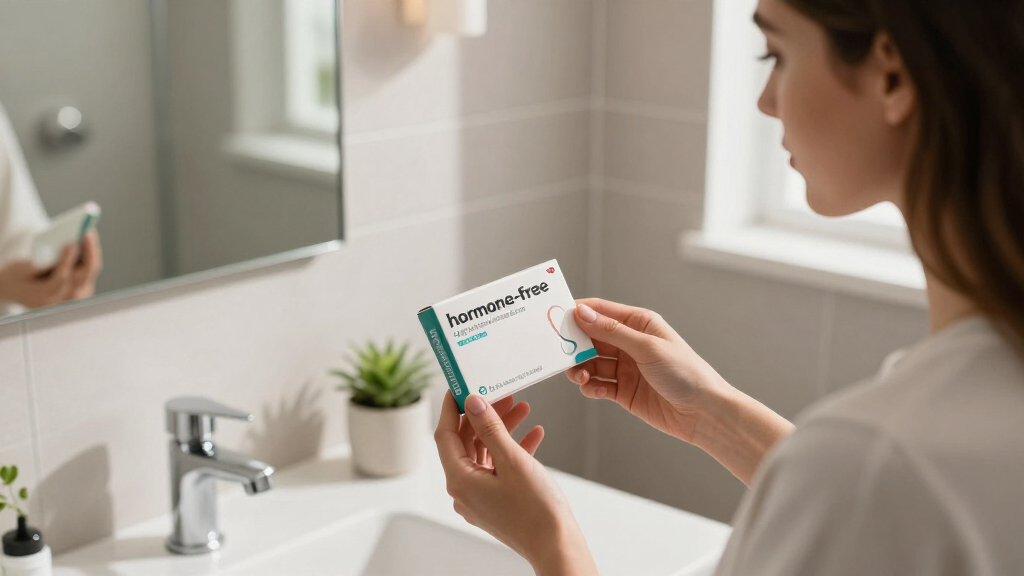
U.S. women seeking hormone-free intrauterine devices are encountering shortages, with demand exceeding supply. This development raises concerns about contraceptive options and access. The situation is ongoing, with no official supply data yet available.
U.S. women seeking hormone-free intrauterine devices (IUDs) are facing shortages, with reports indicating that demand has surged beyond available supply. This shortage affects women who prefer non-hormonal contraception options, raising concerns about access and reproductive choices. The situation is currently unfolding, with no official supply data released.
Recent reports and anecdotal accounts from healthcare providers suggest that hormone-free IUDs, such as copper IUDs, are increasingly difficult to find across various pharmacies and clinics in the United States. While IUDs are among the most effective forms of long-acting reversible contraception, the demand for non-hormonal options appears to be rising, driven by women seeking alternatives to hormonal methods due to health concerns, personal preferences, or religious reasons.
Sources indicate that supply chain disruptions, manufacturing delays, or shifts in inventory management may be contributing to the shortages, though official data from manufacturers or health authorities has not yet been released. Some clinics report waiting lists or limited stock, forcing women to delay or reconsider their contraceptive plans. Experts note that copper IUDs, which do not contain hormones, have historically been less widely available than hormonal options, but the current demand surge is intensifying the shortage.
Health professionals emphasize that access to a range of contraceptive options is vital for reproductive autonomy. The shortage could disproportionately impact women with specific health conditions or personal reasons for avoiding hormones, potentially leading to increased use of less effective methods or unplanned pregnancies if alternatives are not accessible.
Impact on Reproductive Choices and Access
This shortage underscores the importance of diverse contraceptive options for women and highlights potential challenges in supply chain resilience. Limited access to hormone-free IUDs may restrict reproductive choices for women who rely on these devices for health or personal reasons, possibly leading to increased use of less effective methods or unplanned pregnancies. The development also raises broader questions about manufacturing and distribution stability in the reproductive health sector, especially as demand for non-hormonal options grows.
As an affiliate, we earn on qualifying purchases.
Rising Interest in Hormone-Free Contraception
Interest in hormone-free contraception, including copper IUDs, has been steadily increasing in recent years, driven by concerns over hormonal side effects and a desire for more natural methods. This trend has been reflected in search interest and coverage spikes, particularly among women seeking alternatives to hormonal birth control. Historically, copper IUDs have been less prevalent than hormonal options, but recent shifts in consumer preferences and health awareness have amplified demand.
While supply chains for contraceptive devices have generally remained stable, recent reports suggest that the surge in demand may be straining existing inventories. The exact cause of the current shortages remains unconfirmed, with some experts pointing to manufacturing delays or distribution issues as potential factors. The situation is complicated by a lack of comprehensive data from manufacturers or health agencies, making it difficult to assess the full scope of the shortage.
As an affiliate, we earn on qualifying purchases.
Unconfirmed Causes of the Shortage
It is not yet clear what specific factors are causing the shortages of hormone-free IUDs. While supply chain disruptions and manufacturing delays are suspected, no official confirmation has been provided by manufacturers or health authorities. The full extent and timeline of the shortages remain uncertain, and further data is needed to understand the root causes and scope.
As an affiliate, we earn on qualifying purchases.
Monitoring Supply and Policy Responses
Health officials and manufacturers are expected to provide updates as they assess the supply chain issues. In the coming weeks, clinics and pharmacies will likely continue to report stock shortages, and women seeking hormone-free IUDs may need to explore alternative contraceptive methods. Policymakers may also consider interventions to address supply resilience and ensure broader access to non-hormonal options.
As an affiliate, we earn on qualifying purchases.
Key Questions
Why are hormone-free IUDs in short supply?
The exact reasons are not confirmed, but suspected factors include supply chain disruptions, manufacturing delays, or distribution challenges amidst rising demand.
Who is most affected by this shortage?
Women specifically seeking hormone-free options, such as copper IUDs, are most impacted, especially those with health conditions or personal preferences that exclude hormonal methods.
Are there alternative contraceptive options during this shortage?
Yes, women can consider other forms of contraception like hormonal IUDs, pills, patches, or barrier methods, though these may not meet everyone’s needs or preferences.
Will the shortage affect all regions equally?
It is currently unclear if the shortage is uniform across the U.S. or concentrated in specific areas. Local supply issues may vary based on distribution networks and clinic inventories.
What is being done to resolve the shortage?
Health authorities and manufacturers are monitoring the situation and may implement measures to increase production and distribution, but specific actions have not yet been publicly announced.
Source: rss
Fall Picks
fall essentials
As an affiliate, we earn on qualifying purchases.