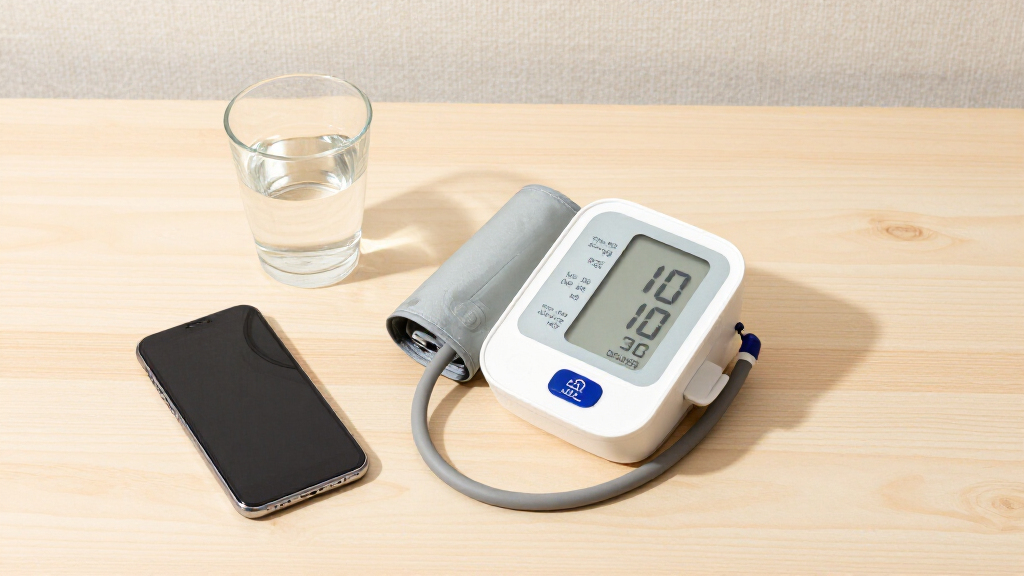

Shopping for home blood pressure monitors means balancing three things: clinical accuracy, cuff fit, and how much data management you actually need. The OMRON Platinum earns my best overall pick for its high-contrast display, unlimited memory via app, and trusted validation pedigree, while the OMRON Silver delivers nearly the same core accuracy at a friendlier price for most households. On the budget end, the Oklar and Sinocare prove you don’t need to spend much for reliable readings and dual-user storage. The main tradeoff in this category is between smart connectivity and simplicity — app-connected models like the Dario and iHealth Track are great for trend tracking, but one-button models are easier for older family members. Read on for the full breakdown of all 13 monitors.

Get health and wellness essentials delivered free — and shop member deals
- Fast, free delivery on millions of items
- Access to Prime Big Deal Days deals on October 6–7
- Prime Video, Amazon Music and more included
Key Takeaways
- Validation and brand track record separated the top tier: the four OMRON models (Platinum, Gold, Silver, Bronze) ranked highest because of consistent accuracy reports and clear clinical-validation messaging, while generic unbranded monitors ranked lower despite similar specs.
- Cuff range was a bigger differentiator than price — models supporting 8.6–16.5 inch arms (Sinocare, Paramed, Oklar) fit more households than narrower cuffs, and a poor fit is the fastest way to get wrong readings.
- App connectivity divided the lineup into two buyer camps: the Dario Gen-2 and iHealth Track/Track Pro suit data-driven users sharing logs with doctors, but add pairing friction that tech-averse users should avoid.
- Memory capacity varied widely, from 60 readings on basic models to 200+ on the OMRON Gold and Platinum — a real deciding factor for anyone tracking hypertension between appointments.
- Premium pricing buys comfort and display quality, not accuracy: the OMRON Platinum and Iron justify their cost through build, readability, and advanced averaging, not fundamentally better readings than the mid-tier options.
| OMRON Silver Blood Pressure Monitor & Upper Arm Blood Pressure Cuff |  | Best Overall | Cuff Size: 9″–17″ | Connectivity: Bluetooth | Detection Features: Irregular heartbeat detection, hypertension alerts | VIEW LATEST PRICE | See Our Full Breakdown |
| Oklar FDA Cleared Blood Pressure Monitor Upper Arm BP Machine for Home Use |  | Best Value | Operation: One-button | Display: Large backlit LED | Memory: 240 readings (120 per user) | VIEW LATEST PRICE | See Our Full Breakdown |
| Paramed Blood Pressure Monitor – Automatic Upper Arm BP Cuff |  | Best for Accessibility | Cuff Size: 8.7–16.5 inches | Memory: 120 sets (two users) | Display: Large LCD | VIEW LATEST PRICE | See Our Full Breakdown |
| OMRON Gold Blood Pressure Monitor & Upper Arm Blood Pressure Cuff |  | Best Premium Health Insights | Measurement Type: Blood pressure | Detection Features: AFib detection, morning hypertension indicator | Connectivity: Bluetooth | VIEW LATEST PRICE | See Our Full Breakdown |
| iHealth Track Smart Upper Arm Blood Pressure Monitor with Wide-Range Cuff |  | Best for Smartphone Tracking | Display: Large multi-color backlit | Cuff Size: 8.7″–16.5″ (22–42 cm) | Connectivity: Bluetooth 4.0 or later | VIEW LATEST PRICE | See Our Full Breakdown |
| OMRON Platinum Blood Pressure Monitor & Upper Arm Blood Pressure Cuff |  | Best Premium Features | Measurement Technology: Advanced Accuracy with AFib Detection | Memory: Up to 100 readings per user | Cuff Size: Fits arms 9″–17″ | VIEW LATEST PRICE | See Our Full Breakdown |
| Sinocare Blood Pressure Monitor, Upper Arm Blood Pressure Monitor for Home Use |  | Best Budget Pick | Cuff Size: 8.6″–16.5″ | Display Size: 3.6 inches | Power Options: 4 AAA batteries or Type-C charging port | VIEW LATEST PRICE | See Our Full Breakdown |
| Blood Pressure Monitor, Automatic Upper Arm Digital BP Cuff with Large Screen and Dual User Storage |  | Best Memory and Display Value | Display: 4.5-inch backlit LCD | Cuff Size: 9 to 17 inches | Storage: 2 users, 199 readings each | VIEW LATEST PRICE | See Our Full Breakdown |
| Dario Gen-2 Blood Pressure Monitor for Home Use with App and Carry Case |  | Best for Travel and App Tracking | Design: Ergonomically shaped, portable | Display: Back-lit LCD screen | Connectivity: Bluetooth | VIEW LATEST PRICE | See Our Full Breakdown |
| OMRON Iron Blood Pressure Monitor & Upper Arm Blood Pressure Cuff |  | Best Simple OMRON | Measurement Technology: Advanced Accuracy Technology | Irregular Heartbeat Detection: Yes | Cuff Size: Fits arms 9″–17″ | VIEW LATEST PRICE | See Our Full Breakdown |
| iHealth Track Pro Upper Arm Blood Pressure Monitor for Home Use |  | Best for App-Based Tracking | Display: Wide-angle LED with color-coded indicators | Cuff Size: 8.7″–16.5″ (22–42cm) | Power Options: 3 AA batteries or Type-C power supply | VIEW LATEST PRICE | See Our Full Breakdown |
| OMRON Bronze Blood Pressure Monitor & Upper Arm Blood Pressure Cuff |  | Best Trusted Brand for Basic Monitoring | Measurement Technology: Advanced Accuracy Technology | Memory Storage: Up to 14 readings | Irregular Heartbeat Detection: Yes | VIEW LATEST PRICE | See Our Full Breakdown |
| Alcedo Blood Pressure Monitor for Home Use, Upper Arm Cuff BP Machine |  | Best Budget Pick for Two-User Households | Display: LCD with clear number values | Voice Broadcast: Yes, adjustable volume | Measurement Averaging: Automatically averages 3 readings | VIEW LATEST PRICE | See Our Full Breakdown |
| home blood pressure monitor | Cuff Size | Connectivity | Display |
|---|---|---|---|
| OMRON Silver Blood Pressure Mo | 9"–17" | Bluetooth | — |
| Oklar FDA Cleared Blood Pressu | — | — | Large backlit LED |
| Paramed Blood Pressure Monitor | 8.7–16.5 inches | — | Large LCD |
| OMRON Gold Blood Pressure Moni | 9"–17" | Bluetooth | — |
| iHealth Track Smart Upper Arm | 8.7"–16.5" (22–42 cm) | Bluetooth 4.0 or later | Large multi-color backlit |
| OMRON Platinum Blood Pressure | Fits arms 9"–17" | Bluetooth | — |
| Sinocare Blood Pressure Monito | 8.6"–16.5" | — | — |
| Blood Pressure Monitor | 9 to 17 inches | — | 4.5-inch backlit LCD |
| Dario Gen-2 Blood Pressure Mon | — | Bluetooth | Back-lit LCD screen |
| OMRON Iron Blood Pressure Moni | Fits arms 9"–17" | None | — |
| iHealth Track Pro Upper Arm Bl | 8.7"–16.5" (22–42cm) | Syncs via iHealth MyVitals app | Wide-angle LED with color-coded indicators |
| OMRON Bronze Blood Pressure Mo | Fits arms 9"–17" | Bluetooth with OMRON Connect app | — |
| Alcedo Blood Pressure Monitor | Fits arms 8.7" to 16.5" | — | LCD with clear number values |
More Details on Our Top Picks
OMRON Silver Blood Pressure Monitor & Upper Arm Blood Pressure Cuff
The OMRON Silver earns the top spot because it balances clinical credibility with everyday usability better than anything else in this price band. Compared with the Oklar, it adds Bluetooth syncing to the OMRON app, which means your readings become shareable trend data rather than numbers you transcribe by hand — a real advantage if your doctor wants history, not snapshots. Irregular heartbeat detection and hypertension alerts put it ahead of basic one-button units like the Sinocare. The tradeoff: this sits below the OMRON Gold, which adds AFib detection and morning hypertension tracking, so buyers wanting the deepest heart-rhythm insights should step up. It also runs on disposable AAs rather than USB power, which the Oklar offers.
Pros:- Bluetooth app connectivity turns readings into shareable trend data
- Irregular heartbeat detection and hypertension alerts add clinical value
- Complete kit with cuff, batteries, and storage case out of the box
- Wide 9–17 inch cuff fits most arms
Cons:- Disposable AA batteries only — no USB or rechargeable option
- Lacks the AFib detection and morning hypertension tracking of the OMRON Gold
Best for: Buyers who want a trusted-brand, app-connected monitor for ongoing tracking they can share with a doctor
Not ideal for: Anyone wanting rechargeable or USB power, or advanced AFib screening — the Gold covers that better
- Cuff Size:9″–17″
- Connectivity:Bluetooth
- Detection Features:Irregular heartbeat detection, hypertension alerts
- Battery Type:4 AA batteries (included)
- Includes:Monitor, cuff, batteries, storage case, manual, quick start guide
Our verdict“The safest all-around pick for anyone starting serious home blood pressure tracking with doctor involvement.”
Oklar FDA Cleared Blood Pressure Monitor Upper Arm BP Machine for Home Use
For pure capability per dollar, the Oklar is hard to beat. It undercuts the OMRON Silver while offering 240 readings of dual-user memory — double what the iHealth Track stores — plus a backlit LED display that’s easier to read in a dim bedroom than non-backlit LCDs. The standout practical feature is dual power: three AAs or Type-C, so a dead battery never blocks a reading, something no OMRON model here can claim. What you give up is connectivity and brand pedigree. There’s no app syncing, no AFib detection, and the 8.7–15.7 inch cuff range is slightly narrower than the Paramed’s, so very large arms may not get a proper fit.
Pros:- 240-reading dual-user memory is best in class for the price
- Type-C or battery power means you’re never stuck without a charge
- Large backlit LED display reads easily in low light
- One-button operation requires zero learning curve
Cons:- No Bluetooth or app connectivity whatsoever
- Cuff maxes out at 15.7 inches, tighter than most rivals here
Best for: Budget-conscious households, especially couples tracking readings together without needing app data
Not ideal for: Data-driven users who want to sync, chart, and share readings digitally with a care team
- Operation:One-button
- Display:Large backlit LED
- Memory:240 readings (120 per user)
- Power:3 AA batteries or Type-C
- Cuff Range:8.7–15.7 inches (22–40 cm)
- Clearance:FDA cleared
Our verdict“The smart spend for no-frills, two-person home monitoring where paper logs are fine.”
Paramed Blood Pressure Monitor – Automatic Upper Arm BP Cuff
The Paramed fills a role nobody else in this lineup addresses: spoken readings. Its voice broadcast calls out results aloud, which makes it the clear choice for users with low vision who’d struggle with even the Oklar’s backlit screen. The 8.7–16.5 inch cuff range also edges out the OMRON Silver’s 9-inch minimum, fitting slimmer arms the OMRON might slip on. Where it falls short of the Oklar is memory — 120 sets versus 240 — and there’s no USB power option, so you’re committed to buying AAs. It also skips app syncing entirely, putting it behind the iHealth Track for anyone building a digital record. Think of it as the practical choice when the interface, not the data, is the priority.
Pros:- Voice broadcast reads results aloud for low-vision users
- Extra-large LCD with date display and low battery indicator
- Generous 8.7–16.5 inch cuff range fits slim and larger arms
- Ships with batteries and a carrying bag
Cons:- Half the memory of the Oklar at 120 readings
- Battery-only power with no USB option
- No connectivity for digital record keeping
Best for: Seniors and visually impaired users who benefit from spoken readings and a large display
Not ideal for: Tech-comfortable users who want app syncing and long-term digital trend charts
- Cuff Size:8.7–16.5 inches
- Memory:120 sets (two users)
- Display:Large LCD
- Power:4 AA batteries
- Features:Voice broadcast, date display, low battery indicator
- Includes:Batteries, carrying bag
Our verdict“The pick when audible, plainly presented readings matter more than smart features.”
OMRON Gold Blood Pressure Monitor & Upper Arm Blood Pressure Cuff
The OMRON Gold is the upgrade that actually earns its price. Unlike the OMRON Silver, it adds AFib detection and a morning hypertension indicator — two clinically meaningful signals, since morning spikes and atrial fibrillation are exactly the patterns doctors watch for in at-risk patients. Bluetooth syncing to Apple Health and Google Fit goes beyond basic app pairing, folding readings into your wider health record the way the Paramed and Oklar simply can’t. The honest tradeoffs: it’s the priciest mainstream option short of the OMRON Platinum, some users find the initial Bluetooth pairing fiddly, and it still runs on disposable AAs. If you only need occasional spot checks, the cheaper Silver is the smarter buy — the Gold is for pattern detection, not casual monitoring.
Pros:- AFib detection catches a serious rhythm condition the Silver misses
- Morning hypertension indicator targets a known stroke-risk pattern
- Syncs with Apple Health and Google Fit for unified health records
- Wide-range 9–17 inch cuff and trusted clinical brand
Cons:- Meaningfully more expensive than the OMRON Silver
- Bluetooth setup can frustrate less technical users
Best for: Users at elevated cardiovascular risk who need AFib screening and morning-hypertension tracking for their doctor
Not ideal for: Casual or occasional measurers — the extra detection features will go unused and the price premium wasted
- Measurement Type:Blood pressure
- Detection Features:AFib detection, morning hypertension indicator
- Connectivity:Bluetooth
- Compatibility:Apple Health, Google Fit
- Cuff Size:9″–17″
- Batteries:4 AA batteries included
Our verdict“Worth the premium only if heart-rhythm screening and morning-spike detection are part of your care plan.”
iHealth Track Smart Upper Arm Blood Pressure Monitor with Wide-Range Cuff
The iHealth Track is the pick when the phone is your health hub. Unlike the Oklar or Paramed, it syncs over Bluetooth for unlimited cloud-based storage, sidestepping the on-device memory ceiling — its 99-reading limit matters less when everything lives in the app. The multi-color backlit display color-codes results, so borderline readings flag themselves visually before you’ve parsed a single number. It meets ESH 2010 performance standards, giving it independent clinical validation most budget rivals lack. Compared with the OMRON Gold, though, it misses AFib-specific detection and morning hypertension alerts, so it’s stronger on data management than on diagnosis-adjacent features. It also runs on AAA batteries, which drain faster than the AAs elsewhere in this roundup.
Pros:- Unlimited reading storage in the app removes on-device memory limits
- Multi-color backlit display color-codes results for instant interpretation
- Independently validated to ESH 2010 accuracy standards
- Automatic heart rhythm disturbance detection
Cons:- Only 99 readings stored on-device without the app
- AAA batteries offer shorter life than AA-powered rivals
- Requires Bluetooth 4.0 or later for full functionality
Best for: App-first users who want unlimited cloud storage and color-coded readings on their phone
Not ideal for: Users prioritizing AFib or morning-hypertension detection — the OMRON Gold covers those better
- Display:Large multi-color backlit
- Cuff Size:8.7″–16.5″ (22–42 cm)
- Connectivity:Bluetooth 4.0 or later
- Battery:4 AAA batteries
- Memory:99 readings on-device, unlimited in app
- Standards:Meets ESH 2010 performance standards
- Detection:Automatic heart rhythm disturbance detection
Our verdict“The right choice for anyone whose blood pressure record should live in their phone, not on a device screen.”
OMRON Platinum Blood Pressure Monitor & Upper Arm Blood Pressure Cuff
Of all the app-connected monitors in this roundup, the OMRON Platinum stands out for pairing AFib detection with Bluetooth syncing — a combination the Dario Gen-2 can’t match, since it detects irregular heartbeats but doesn’t screen specifically for atrial fibrillation. That distinction matters for anyone whose doctor wants a fuller cardiac picture between visits. The wide-range cuff fits arms 9″–17″, and 100 readings per user give a meaningful trend history. The tradeoff is price and bulk: this sits at the top of the lineup’s budget range, and compared with a compact budget pick like the Sinocare, it’s noticeably less travel-friendly. App dependency is another consideration — buyers who just want a number on a screen are paying for connectivity they’ll never open.
Pros:- AFib detection beyond standard irregular heartbeat alerts
- Bluetooth syncing to the OMRON connect app for shareable trends
- Dual-user support with 100 readings stored each
- Complete accessory bundle including AC adapter and case
Cons:- Highest price tier in this lineup
- Bulky design is awkward for travel
- Full value depends on actually using the companion app
Best for: Buyers managing hypertension alongside cardiac concerns who want AFib screening and app-based records to share with a doctor
Not ideal for: Budget shoppers and technophobes — you’re paying a premium for app features and a cardiac screen you may never use
- Measurement Technology:Advanced Accuracy with AFib Detection
- Memory:Up to 100 readings per user
- Cuff Size:Fits arms 9″–17″
- Connectivity:Bluetooth
- User Support:Dual user
- Includes:Monitor, wide-range cuff, AC adapter, storage case, batteries, manual, quick start guide
Our verdict“Worth the premium only if AFib screening and app-based tracking are priorities; everyone else can save money lower in this list.”
Sinocare Blood Pressure Monitor, Upper Arm Blood Pressure Monitor for Home Use
For shoppers who baulk at the OMRON Platinum’s price, the Sinocare makes the most sense as a straightforward value play. Its one-button operation and 3.6-inch display deliver clinically comparable accuracy (±3 mmHg) without app pairing, subscriptions, or setup headaches. Type-C charging is a genuinely useful touch at this price — most budget rivals like the Alcedo run on disposable batteries alone — though Sinocare omits the cable, which feels stingy. The cuff range of 8.6″–16.5″ actually starts smaller than OMRON’s 9″ minimum, a small win for slimmer arms. Where it falls short of pricier models is data: no Bluetooth, slightly less memory than the 199-reading budget monitor elsewhere in this roundup, and no carry case.
Pros:- Clinically comparable accuracy at a low price point
- Type-C rechargeable power option alongside AAA batteries
- One-button operation with a large, readable display
- Cuff fits smaller arms down to 8.6 inches
Cons:- Charging cable not included in the box
- No app connectivity or data export
- Plasticky build feels less durable than OMRON equivalents
Best for: First-time or occasional users who want accurate readings and dual-user memory without paying for smart features
Not ideal for: Anyone who wants to export or trend readings digitally — there’s no app connectivity at all
- Cuff Size:8.6″–16.5″
- Display Size:3.6 inches
- Power Options:4 AAA batteries or Type-C charging port
- Measurement Accuracy:±3 mmHg (pressure), ±5% (pulse rate)
- User Profiles:2
- Memory Storage:Up to 99 readings per user
- Operation:One-button
Our verdict“The smart spend if you just need reliable numbers for two people and nothing more.”
Blood Pressure Monitor, Automatic Upper Arm Digital BP Cuff with Large Screen and Dual User Storage
This unbranded workhorse competes directly with the Sinocare on price, but it wins on two specific counts: a 4.5-inch backlit display that’s easier on aging eyes than Sinocare’s 3.6-inch screen, and 199 memory slots per user — double what most budget rivals offer, letting two people track months of trends without overwriting history. The three-reading average feature is a thoughtful touch normally reserved for pricier units like the OMRON Gold. The compromises are predictable for the price segment: no AC adapter, no app connectivity, and a generic brand name means weaker customer support if a unit arrives faulty. Still, a lifetime warranty offsets some of that risk in a way few competitors at this price attempt.
Pros:- Largest backlit display among budget picks in this lineup
- 199 readings per user — roughly double typical budget memory
- Averages last 3 readings for more stable results
- Lifetime warranty included
Cons:- Generic brand with less established support than OMRON or iHealth
- No AC adapter included
- Cuff excludes arms outside the 9–17 inch range
Best for: Older users or couples who prioritize a big backlit screen and long-term reading history over smart features
Not ideal for: Data-driven trackers who want to sync readings to an app or share them digitally with a physician
- Display:4.5-inch backlit LCD
- Cuff Size:9 to 17 inches
- Storage:2 users, 199 readings each
- Power:4 AAA batteries and USB cable
- Features:Irregular heartbeat detection, average of last 3 readings
- Warranty:Lifetime
Our verdict“The value champion for screen size and storage depth, as long as brand reputation isn’t a dealbreaker.”
Dario Gen-2 Blood Pressure Monitor for Home Use with App and Carry Case
The Dario Gen-2 occupies a middle ground between the OMRON Platinum and the no-frills budget picks: it offers Bluetooth app syncing and FDA clearance like the Platinum, but skips AFib screening and packages everything into an ergonomically shaped body with an included carry case — something no OMRON model in this roundup emphasizes as strongly. With up to 400 stored records and dual-user mode, it beats the Sinocare and budget monitors on data capacity while remaining genuinely pocket-friendly. The catch list is short but real: no AC adapter in the box, so it’s battery-reliant on the road, and Dario’s app ecosystem is smaller and less mature than OMRON connect, which matters if your clinic prefers a specific export format. It also won’t substitute for proper cardiac evaluation, as the manufacturer itself notes.
Pros:- FDA-cleared accuracy in a compact, travel-ready body
- Up to 400 stored records with dual-user mode
- Bluetooth syncing with a companion app
- Carry case and batteries included
Cons:- No AC adapter included
- Smaller app ecosystem than OMRON connect
- No advanced cardiac screening like AFib detection
Best for: Frequent travelers and commuters who want FDA-cleared readings and app logs that fit in a bag
Not ideal for: Users comparing raw value — cheaper monitors here offer similar core accuracy without the app premium
- Design:Ergonomically shaped, portable
- Display:Back-lit LCD screen
- Connectivity:Bluetooth
- Memory:Up to 400 records
- User Modes:Dual user mode
- Detection:Irregular heartbeat detection
- Regulatory:FDA-cleared
- Includes:Carry case, batteries (no AC adapter)
Our verdict“The pick for people whose monitoring happens away from home as often as at it.”
OMRON Iron Blood Pressure Monitor & Upper Arm Blood Pressure Cuff
The OMRON Iron is the entry door to OMRON’s clinically validated accuracy without paying for connectivity. Compared with the OMRON Platinum, you give up Bluetooth, AFib detection, and dual-user memory — but you keep the same core Advanced Accuracy technology, one-touch operation, and the 9″–17″ wide-range D-ring cuff. Against the Sinocare or generic budget monitors, the appeal is brand trust and cuff quality; D-ring cuffs are easier to self-apply correctly, which directly improves reading consistency. The tradeoff is bare-bones data handling: there’s no app, no averaging feature, and no stated memory capacity, so serious trend-trackers will outgrow it quickly. Buyers also need enough health literacy to interpret their own numbers, since nothing here coaches you through them.
Pros:- OMRON’s clinically validated Advanced Accuracy technology
- Wide-range D-ring cuff is easy to self-apply correctly
- One-touch operation with fast readings
- More affordable than the Gold and Platinum models
Cons:- No Bluetooth or app connectivity
- No stated memory capacity limits trend tracking
- Requires users to interpret readings without guidance
Best for: Buyers who want OMRON’s validated accuracy and reliable cuff for simple daily checks at a lower price point
Not ideal for: Data trackers and multi-user households — no app syncing and limited memory make long-term trending tedious
- Measurement Technology:Advanced Accuracy Technology
- Irregular Heartbeat Detection:Yes
- Cuff Size:Fits arms 9″–17″
- Operation:One-touch
- Connectivity:None
- Includes:Monitor, wide-range D-ring cuff, instruction manual, quick start guide
Our verdict“The right choice if you trust the OMRON name but don’t need its smart features — just don’t expect data tools.”
iHealth Track Pro Upper Arm Blood Pressure Monitor for Home Use
This option stands out for buyers who want their readings to live somewhere beyond the device itself. With app syncing via iHealth MyVitals and storage for 120 readings, it makes long-term trend tracking far less tedious than the OMRON Bronze, which caps out at just 14 readings internally. The wide-angle LED display with color-coded indicators means you can interpret results at a glance without memorizing number ranges, and the dual power setup — AA batteries or Type-C — gives you a fallback if batteries die mid-measurement.
The tradeoff is that the app experience carries the real value here; anyone who wants a purely offline device is paying for connectivity they won’t use. Compared with the Alcedo, which offers similar memory but no app at a lower price, this pick makes the most sense for people who actually review their data with a doctor.
Pros:- Syncs readings to the iHealth MyVitals app for long-term trend tracking
- 120-reading memory vastly outlasts entry-level models like the OMRON Bronze
- Color-coded LED display makes results instantly interpretable
- Dual power options prevent dead-battery interruptions
Cons:- Batteries require eventual replacement, and the Type-C option means managing a cable
- Cuff range of 8.7–16.5 inches may not accommodate very large or small arms comfortably
Best for: Tech-comfortable users and chronic-condition patients who want to log, sync, and share reading trends with a physician
Not ideal for: Buyers who want a simple offline device — the app dependency adds complexity without benefit for them
- Display:Wide-angle LED with color-coded indicators
- Cuff Size:8.7″–16.5″ (22–42cm)
- Power Options:3 AA batteries or Type-C power supply
- Memory Storage:120 readings
- Connectivity:Syncs via iHealth MyVitals app
- Included:Batteries and cuff included
Our verdict“Choose this if you want your home readings to feed directly into an app-based health record you can share with your doctor.”
OMRON Bronze Blood Pressure Monitor & Upper Arm Blood Pressure Cuff
OMRON’s reputation in clinical-grade home monitoring is the main draw here, and this entry-level model delivers the essentials: Advanced Accuracy Technology, irregular heartbeat detection, and a hypertension indicator that flags concerning readings before you’ve processed the numbers. The complete starter kit — cuff, batteries, and storage case — means there’s nothing to buy separately, which the Alcedo and iHealth Track Pro can’t always promise.
Where this model falls behind is memory. Fourteen readings is a fraction of the 120 stored by the iHealth Track Pro, though the Bluetooth connection to the OMRON Connect app partially offsets that if you sync regularly. The generous 9–17 inch cuff range actually fits larger arms better than most budget rivals. This is a brand-confidence purchase: less data on-device, more reliability per reading.
Pros:- Clinically trusted OMRON accuracy at the brand’s most accessible price point
- Irregular heartbeat detection adds a safety signal most basic monitors lack
- Complete kit includes cuff, batteries, and storage case
- Wide 9–17 inch cuff fits larger arms than many competitors
Cons:- Only 14 readings of on-device memory, far less than the iHealth Track Pro or Alcedo
- App and Bluetooth setup may frustrate users uncomfortable with digital devices
Best for: First-time buyers who prioritize brand reliability and want irregular heartbeat detection without paying for Gold or Platinum tier features
Not ideal for: Data-heavy users who want extensive on-device history — 14 readings fills up fast without app syncing
- Measurement Technology:Advanced Accuracy Technology
- Memory Storage:Up to 14 readings
- Irregular Heartbeat Detection:Yes
- Hypertension Indicator:Yes
- Connectivity:Bluetooth with OMRON Connect app
- Compatibility:Apple Health, Google Fit
- Cuff Size:Fits arms 9″–17″
- Includes:Monitor, cuff, batteries, case, manuals
Our verdict“A sensible pick for anyone who values OMRON’s clinical pedigree and heart-rhythm alerts over deep data storage.”
Alcedo Blood Pressure Monitor for Home Use, Upper Arm Cuff BP Machine
This model earns its place on value alone. It matches the iHealth Track Pro on raw memory — 120 readings — but splits that capacity across two separate user profiles, which is rare at this price and perfect for couples managing blood pressure together. The live-voice broadcast reads results aloud, a genuine accessibility feature for anyone with vision challenges, and automatic averaging of three readings aligns with how clinicians actually recommend measuring at home.
The obvious gap versus the iHealth and the OMRON Bronze is connectivity: no Bluetooth, no app, no trend export. Everything stays on the device. Compared with the similarly voiced Paramed, the Alcedo’s dual-user storage and averaging function give it a practical edge. FSA/HSA eligibility stretches the value further if you have pre-tax health funds to spend.
Pros:- Two separate user profiles with 120 readings each — rare at this price
- Live-voice broadcast aids users with limited vision
- Automatic averaging of three readings follows clinical best practice
- FSA/HSA eligible for pre-tax health spending
Cons:- No Bluetooth or app connectivity, so trends must be tracked manually
- Power details are vague — battery replacement logistics are unclear
Best for: Couples or caregivers sharing one device who want separate memory profiles and voice-read results on a budget
Not ideal for: Anyone who wants to export or graph their readings — there’s no app or Bluetooth connectivity at all
- Display:LCD with clear number values
- Voice Broadcast:Yes, adjustable volume
- Measurement Averaging:Automatically averages 3 readings
- User Modes:2 users with separate storage
- Memory:120 readings per user
- Cuff Size:Fits arms 8.7″ to 16.5″
- FSA/HSA Eligible:Yes
Our verdict“The smart choice for two-person households that want shared hardware with private data and don’t need app integration.”
How We Picked
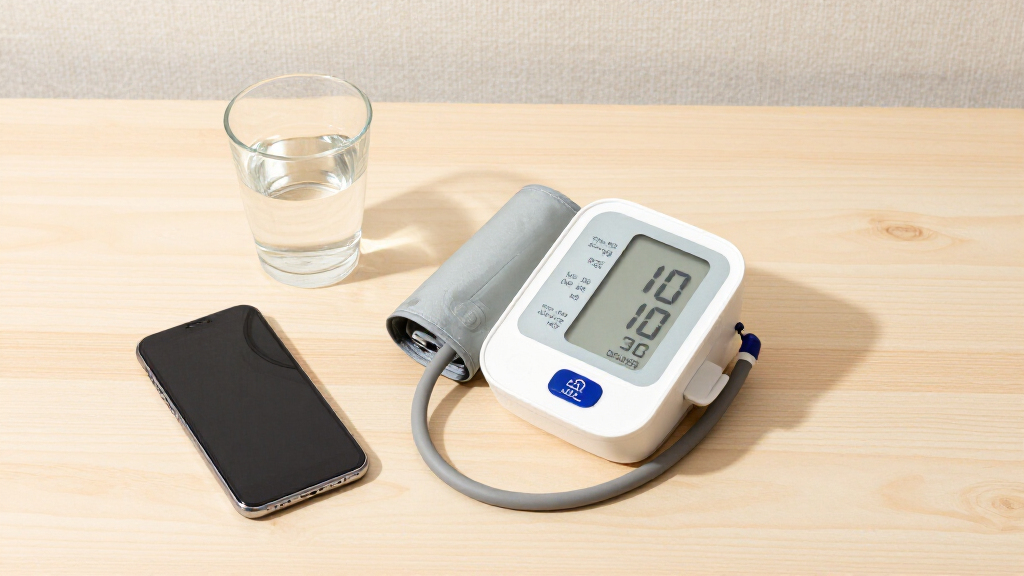
I evaluated each monitor against the factors that actually change outcomes at home: reading consistency, cuff fit range, ease of operation, memory and data export, and value relative to price. Accuracy claims were weighed by validation reputation and FDA-clearance status, since a monitor that drifts even slightly can mislead a treatment plan. Usability covered display size, button layout, voice broadcast, and whether a grandparent could run a reading unassisted.
The ranking logic favors proven accuracy and fit versatility first, then data features, then price. That’s why the OMRON Platinum leads despite its cost, the Silver and Gold follow as the smart middle ground, and budget models like the Oklar, Sinocare, and Alcedo earn their spots by nailing basics without frills. Models with genuine weaknesses — clunky interfaces, restrictive cuffs, or redundant pricing against better siblings — were ranked accordingly rather than padded with praise.
| home blood pressure monitor | Connectivity |
|---|---|
| OMRON Silver Blood Pressure Mo | Bluetooth |
| Oklar FDA Cleared Blood Pressu | — |
| Paramed Blood Pressure Monitor | — |
| OMRON Gold Blood Pressure Moni | Bluetooth |
| iHealth Track Smart Upper Arm | Bluetooth 4.0 or later |
| OMRON Platinum Blood Pressure | Bluetooth |
| Sinocare Blood Pressure Monito | — |
| Blood Pressure Monitor | — |
| Dario Gen-2 Blood Pressure Mon | Bluetooth |
| OMRON Iron Blood Pressure Moni | None |
| iHealth Track Pro Upper Arm Bl | Syncs via iHealth MyVitals app |
| OMRON Bronze Blood Pressure Mo | Bluetooth with OMRON Connect app |
| Alcedo Blood Pressure Monitor | — |
Factors to Consider When Choosing Home Blood Pressure Monitors
Before picking a specific model, it helps to understand what actually drives accuracy and long-term satisfaction with a home monitor. These are the factors I weighed most heavily, and the mistakes I saw repeated across the category.Cuff Size and Arm Fit
The single most common mistake buyers make is using the wrong cuff size, which can skew readings by 10 mmHg or more in either direction. Measure your upper arm circumference with a soft tape before buying — if it falls between 8.7 and 16.5 inches, you’ll fit most standard cuffs, but larger arms need a wide-range or XL cuff like the one bundled with the iHealth Track. A cuff that’s too tight overstates pressure; too loose and it understates it, and either error can prompt unnecessary medication changes. Also check whether the cuff is tapered and pre-formed, since rigid tubes and one-handed wrapping get frustrating for daily use. If two people with different arm sizes will share the device, buy spare cuffs or choose a model with generous adjustment range.
Validation and Accuracy Standards
Not every monitor labeled ‘accurate’ has been independently checked. Look for FDA clearance and, ideally, validation to recognized protocols — the brands that publish this information tend to be the ones clinicians recommend. Accuracy can also drift over time, so plan to have your device recalibrated or compared against a doctor’s office monitor yearly. Avoid the trap of assuming a higher price guarantees better readings; in this roundup, the mid-tier models were clinically on par with the premium ones. What price typically buys is consistency of experience — better displays, quieter pumps, and smarter averaging — rather than a fundamentally different measurement. When in doubt, bring your monitor to an appointment and compare a few readings side by side.
Memory, Averaging, and Data Sharing
If your doctor asked you to track blood pressure between visits, memory capacity matters more than you’d expect. Basic models storing 60–90 readings fill up in a couple of months of twice-daily checks, forcing you to overwrite data you may still want. Advanced averaging features — taking three readings a minute apart and reporting the mean — align with how hypertension guidelines say home monitoring should be done, so a monitor with built-in averaging removes human error from the process. App-connected models shine here because they generate shareable reports and trend graphs, but only if you’ll actually sync them; an unused app is a wasted premium. Dual-user memory is worth having even if you’re solo today, since it preserves resale and sharing options.
Upper Arm vs. Wrist and Finger Options
Every model in this roundup is an upper-arm cuff, and that’s deliberate — wrist and finger monitors are more sensitive to body position and generally less reliable for treatment decisions. Wrist monitors can work for people whose upper arms are too large or painful to cuff, but the readings must be taken with the wrist at heart level, which most people get wrong. Upper-arm devices with proper placement produce readings that track closely with office measurements. If mobility or arthritis makes wrapping a cuff difficult, look for pre-formed one-touch cuffs rather than switching measurement sites. Irregular-heartbeat detection is also worth prioritizing if atrial fibrillation runs in your family, since it flags when a reading may be unreliable.
Who’s Using It: Simplicity vs. Features
Match the interface to the actual user, not the buyer. A monitor packed with app pairing, multi-user profiles, and Bluetooth sync is wasted on a parent who will never open the companion app — a one-button model with a large backlit display and voice broadcast will get used daily instead. Conversely, a data-driven user managing hypertension alongside medication changes will get real value from trend graphs and exportable logs. Voice broadcast is genuinely helpful for low-vision users, though some prefer a mute option for privacy. Consider power too: AA batteries keep a monitor working during outages and travel, while AC adapters save money on batteries for frequent checkers. The best monitor is always the one that gets used correctly every single day.
Frequently Asked Questions
Are cheap blood pressure monitors accurate enough to trust?
Generally yes, provided they’re FDA cleared and the cuff fits properly — budget models like the Oklar, Sinocare, and Alcedo in this roundup produce readings comparable to premium units in normal conditions. The real risk isn’t the electronics; it’s cuff mismatch, poor arm positioning, or talking during measurement, which introduce more error than any brand difference. Where cheap monitors cut corners is consistency over years of use and comfort features like quiet inflation. If you choose a budget model, verify it against an office monitor once or twice a year and replace it if readings start drifting. For a diagnosed condition requiring medication titration, spending more for a validated device with averaging is reasonable insurance.
Which OMRON model should I choose — Bronze, Silver, Gold, or Platinum?
The core measurement accuracy is similar across the line, so your choice comes down to memory, display, and connectivity. The Bronze is the bare-basics entry and best for occasional checks; the Silver adds more memory and a better display for a modest price jump, making it the value sweet spot for most households. The Gold brings 200 total readings across two users and Bluetooth sync, which suits couples tracking together. The Platinum adds a high-contrast backlight, unlimited app memory, and a six-year warranty, justifying itself for daily trackers who want longevity and readability. If you’re between two tiers, ask whether you’ll actually use the app — if not, the Silver captures 90% of the benefit.
Is an app-connected monitor worth the extra cost?
It depends entirely on whether you’ll review the data. App connectivity shines for people managing hypertension with a physician, since color-coded trend graphs and exportable PDF reports make appointments far more productive than handwritten logs. It’s also valuable for caregivers who want to check a parent’s readings remotely. The downsides are real: pairing hiccups, apps that get abandoned by developers, and added cost that’s wasted if you never open the software. Models like the Dario Gen-2 and iHealth Track Pro also require your phone for full functionality, which is a liability if you’d rather keep health data off mobile devices. If you’re tech-comfortable and data-curious, the premium pays off; otherwise spend it on a better display instead.
How do I get accurate readings at home regardless of which monitor I buy?
Technique matters as much as the device. Sit with your back supported and feet flat for five minutes before measuring, rest your arm on a table so the cuff sits at heart level, and keep both the cuff and your arm still and quiet during inflation. Avoid caffeine, exercise, and smoking for at least 30 minutes beforehand, and empty your bladder first — a full bladder can raise readings noticeably. Take two or three readings a minute apart and average them, which is exactly what the higher-end OMRON models automate. Always use the same arm, since readings differ between arms, and measure at consistent times like morning and evening. Following this routine with a mid-priced monitor beats sloppy technique with the most expensive one.
Can two people share one home blood pressure monitor?
Yes, and most models in this roundup explicitly support it with dual-user memory banks that keep readings separated under User A and User B profiles. This matters because averaged data from two people mixed together is clinically meaningless, so check that the model you buy actually splits storage rather than just claiming two users can operate it. If your arm sizes differ significantly, you’ll need either a wide-range cuff or a second cuff, which some brands sell separately. Sharing works best when both users measure at similar times of day, keeping the device in one consistent location. For couples where one person checks daily and the other occasionally, a model with 100+ readings per user prevents the infrequent user’s history from being overwritten.
Conclusion
For most buyers, the OMRON Platinum is the best overall choice: validated accuracy, the clearest display in the lineup, unlimited app memory, and a long warranty make it the safest long-term investment. If budget leads your decision, the OMRON Silver or Oklar deliver dependable readings and dual-user memory at half the cost — the Silver for brand confidence, the Oklar for pure value. Best premium after the Platinum goes to the OMRON Iron, whose rugged build and advanced averaging suit intensive daily trackers. Beginners and older family members should start with the Sinocare or Alcedo, whose one-button operation and large displays remove every usability barrier. For specific needs: the iHealth Track for larger arms with its wide-range cuff, the Dario Gen-2 for travelers who want app logs and a carry case, and the iHealth Track Pro for data-driven users sharing trends with their doctor. Whatever you choose, pair it with good measurement technique — that combination, not price, is what produces numbers you and your physician can actually trust.
Fall Picks
fall essentials
As an affiliate, we earn on qualifying purchases.