
TL;DR

Get health and wellness essentials delivered free — and shop member deals
- Fast, free delivery on millions of items
- Access to Prime Big Deal Days deals on October 6–7
- Prime Video, Amazon Music and more included
Meditation and relaxation tools, from apps to wearables, are transforming how we manage stress and improve mental health. They’re backed by science and increasingly personalized, helping you relax anytime, anywhere.
Ever feel like your mind is a crowded room, noise bouncing everywhere? That’s where meditation and relaxation tools come into play. They’re no longer just incense and quiet corners—they’re apps, gadgets, and even virtual reality experiences that turn stress-busting into an almost fun daily habit.
Today, you’ll learn how these tools work, what’s new in the space, and how to pick the right ones for your lifestyle. Whether you’re a busy professional or a curious beginner, there’s something here to help you find your calm.
Choose tools that match your comfort level and goals, whether apps, wearables, or devices.
Consistency beats duration—just 5-10 minutes daily can make a real difference.
Personalization through technology enhances engagement and effectiveness.
Layering tools—like combining guided meditation with biofeedback—can deepen relaxation.
Always verify tools’ credibility to avoid false claims and ensure safety.
What Are the Most Popular Meditation and Relaxation Tools Today?
Meditation tools run the gamut—from smartphone apps to high-tech headbands. Guided meditation apps like Headspace, Calm, and Insight Timer dominate because they offer structured sessions that anyone can follow. Think of them as your personal meditation coach—voice-guided, soothing, and easy to access.
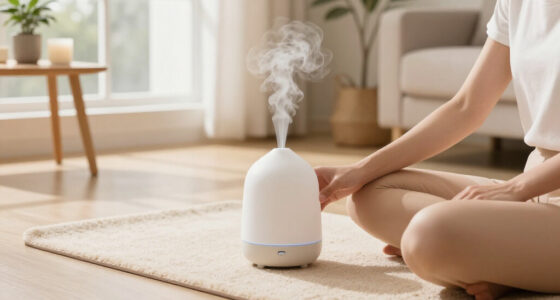
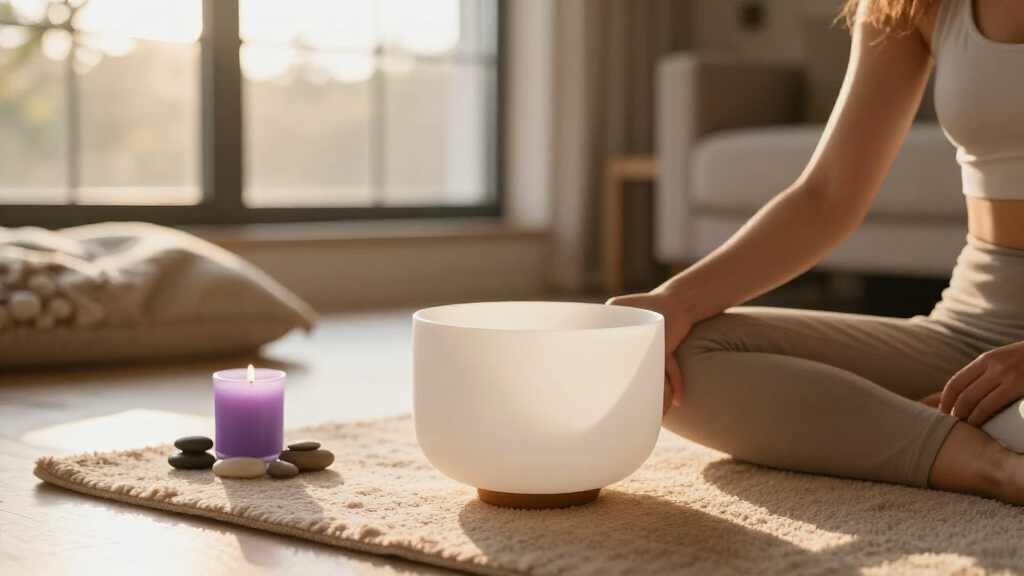
Physical devices also play a role. Cushions, sound machines, aromatherapy diffusers, and even weighted blankets create a calming environment. Wearables like Muse headbands provide real-time brain activity feedback, helping you see your progress and stay motivated.
Here’s a quick overview of popular options:
| Type of Tool | Example | What It Does |
|---|---|---|
| Guided Apps | Headspace, Calm | Offer structured meditation sessions, reminders, and progress tracking |
| Physical Devices | Sound machines, cushions | Create a calming environment, improve posture during practice |
| Wearables | Muse, HeartMath | Provide biofeedback, help optimize your breathing and brain activity |
Many tools are designed for beginners too, with simple interfaces and guided instructions. It’s all about making the path to calm smoother and more accessible.
guided meditation app subscription
As an affiliate, we earn on qualifying purchases.
As an affiliate, we earn on qualifying purchases.
How New Tech Makes Meditation Easier and More Personalized
Technology is changing the game. AI-powered apps analyze your habits and suggest personalized meditation routines, making your practice feel tailor-made. For example, some apps adapt session length or focus areas based on your mood or stress levels, which you can track via wearable devices.
Virtual and augmented reality are creating immersive environments. Imagine slipping on VR goggles and finding yourself on a peaceful beach or in a lush forest—all while sitting comfortably in your living room. These experiences can deepen your sense of calm and make meditation feel like an adventure rather than a chore.
Biofeedback devices, like Muse headbands or HeartMath tools, monitor your physiological responses in real-time. They give you instant feedback—like a gentle beep or visual cue—showing when your heart rate stabilizes or your brain enters a relaxed state. It’s like having a coach right inside your head, guiding you to better relaxation.
Recent research highlights how these advancements boost engagement and effectiveness. Personalized sessions, immersive environments, and real-time feedback turn meditation from a routine into a dynamic, engaging experience.
As an affiliate, we earn on qualifying purchases.
Simple Ways to Use Meditation Tools and See Real Results
Getting started is easier than you think. Pick one or two tools that match your goals and lifestyle. Here’s a straightforward step-by-step plan:
- Choose a guided app like Calm or Insight Timer for daily practice.
- Set a specific time—morning, lunch break, or before bed—to build consistency.
- Use a physical device, like a sound machine or weighted blanket, to enhance your environment.
- If you’re tech-savvy, try a wearable that offers biofeedback and track your progress over weeks.
- Combine tools—like a guided app during the day and a VR experience on weekends—to deepen your relaxation.
For example, Sarah, a busy marketing exec, uses Headspace for 10 minutes during her commute and a Muse band during her evening wind-down. She reports feeling less anxious and sleeping better after just a few weeks.
The key? Consistency. Even 5 minutes daily, with the right tools, can shift your mental state dramatically.
As an affiliate, we earn on qualifying purchases.
Comparing Top Meditation and Relaxation Tools Side by Side
Choosing the right tool depends on your goals and preferences. Here’s a quick comparison:
| Feature | Guided Apps | Wearables | Physical Devices | VR Experiences |
|---|---|---|---|---|
| Ease of Use | High—just open your phone | Moderate—requires setup and pairing | Easy—place or turn on | Moderate—requires headset and setup |
| Personalization | High—adapts based on data | Very high—biofeedback guides practice | Low—standard features | Moderate—immersive environments but less tailored |
| Cost | $0-$20/month | $200-$400 | $50-$300 | $300-$800 |
| Best For | Beginners, on-the-go practice | Data-driven relaxation, tech lovers | Creating a calming space | Deep immersion, stress relief |
Pick what fits your routine and comfort level. Sometimes, layering tools—like using guided apps and biofeedback together—maximizes benefits.
weighted blanket for stress relief
As an affiliate, we earn on qualifying purchases.
As an affiliate, we earn on qualifying purchases.
What to Watch Out for When Choosing Meditation Tools
Not all tools are created equal. Some might promise quick fixes or come with hidden costs. Be cautious of apps that push subscriptions without clear benefits or devices that don’t have scientific backing. Always check reviews and seek recommendations from trusted sources.
For example, some low-cost apps may lack guided content or user support, making it harder to stay motivated. Similarly, gadgets that claim to ‘reset’ your brain instantly are often overselling their capabilities.
Remember: meditation is a skill, not a magic pill. The best tools support your practice, not replace it. If you experience emotional upheaval during deep practice, consider consulting a professional or starting with gentle techniques.
Frequently Asked Questions
What are the best meditation tools for beginners?
Guided apps like Calm, Headspace, or Insight Timer are excellent starting points. They offer simple instructions, timers, and progress tracking that help you build a habit without feeling overwhelmed.
How long should I meditate each day?
Starting with just 5-10 minutes daily works well. Consistency matters more than length—gradually, you can extend your sessions as you become more comfortable.
Are digital tools as effective as traditional meditation?
Studies show that digital tools, especially when personalized and used regularly, can be just as effective as traditional methods. They also offer flexibility and accessibility that many find motivating.
Can meditation tools help with anxiety or sleep problems?
Yes, evidence supports meditation’s role in reducing anxiety and improving sleep quality. Biofeedback devices and guided practices can target these issues specifically.
Are there any risks or downsides?
For most, meditation tools are safe. Some people might experience emotional discomfort or agitation, especially during deep practices. If that happens, consider seeking guidance from a mental health professional.
Conclusion
Modern meditation and relaxation tools turn the pursuit of calm into a personalized, engaging journey. They’re not magic, but they are powerful allies in managing stress and boosting mental resilience—especially when used with intention.
So, pick one or two that resonate with you, and make them part of your daily routine. Your mind and body will thank you—calmer, clearer, more centered—ready to face whatever comes next.
Fall Picks
fall essentials
As an affiliate, we earn on qualifying purchases.