TL;DR

Get health and wellness essentials delivered free — and shop member deals
- Fast, free delivery on millions of items
- Access to Prime Big Deal Days deals on October 6–7
- Prime Video, Amazon Music and more included
Home health monitoring devices range from simple thermometers to advanced wearables. They support better health management when used correctly and paired with a clear care plan, but accuracy and privacy matter. Proper use and understanding can help you stay ahead of health issues and communicate better with your healthcare team.
Imagine catching a health change before it becomes a crisis. Home health monitoring devices bring that possibility into your living room. Whether it’s tracking your blood pressure, blood sugar, or oxygen levels, these gadgets turn your home into a mini health clinic.
They help you stay on top of your health, reduce unnecessary doctor visits, and share vital data with your care team. But with so many options—from simple thermometers to sophisticated wearables—knowing what works and how to use it makes all the difference.
Choose devices validated for accuracy and suitable for your specific health measures.
Connected systems enhance the usefulness of home devices by turning raw data into actionable insights.
Consistent use and proper technique are critical for reliable readings—don’t rush or guess.
Privacy and data security should be a top priority—know how your information is stored and shared.
Future devices will be smarter and more integrated, but always verify their clinical relevance with your healthcare provider.
What Are the Main Types of Home Health Devices You Should Know About
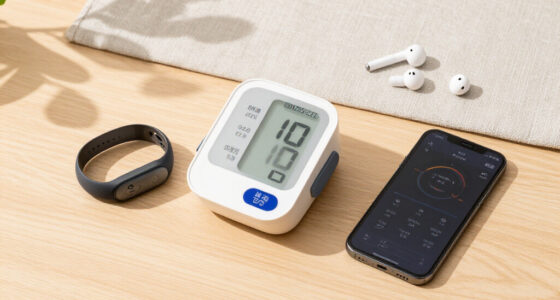
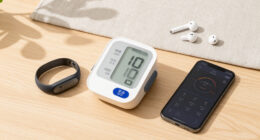
Home health monitoring devices fall into several key categories, each designed for specific health measures. The most common are blood pressure monitors, glucose meters, pulse oximeters, thermometers, and wearables. These tools help you track chronic conditions, catch early signs of illness, or simply stay connected to your health data.
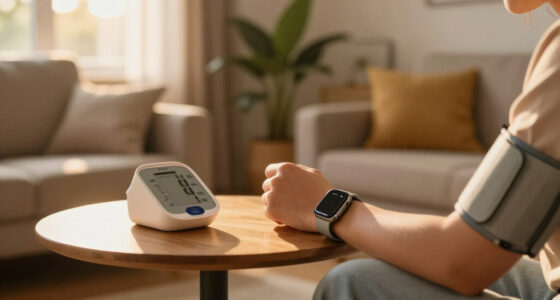
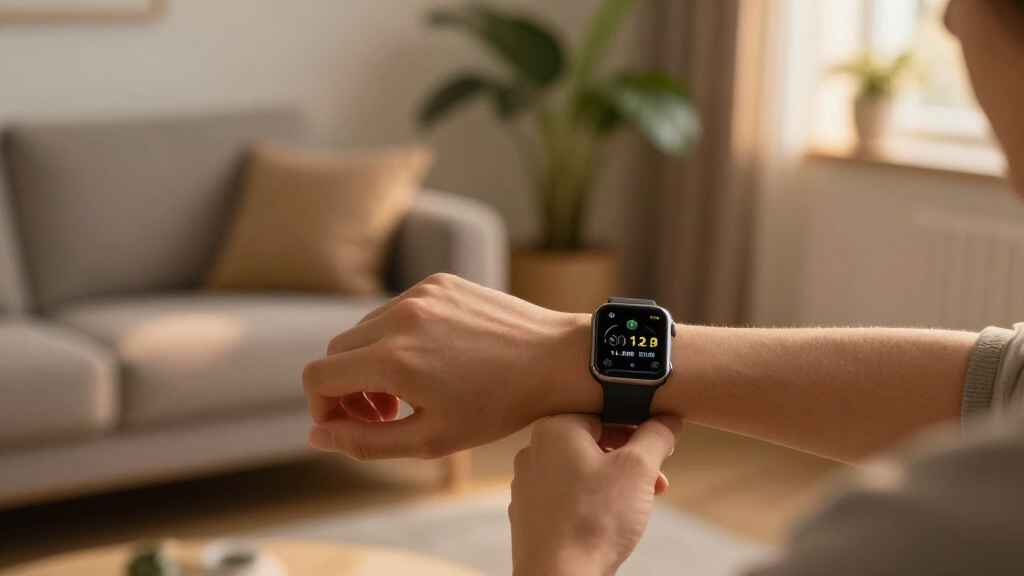
For example, a person managing hypertension might use an upper-arm cuff blood pressure monitor daily. Meanwhile, someone with diabetes could rely on a glucose meter or a continuous glucose monitor to keep blood sugar in check. Wearables like smartwatches now add heart rate, activity, and sleep tracking—sometimes even electrocardiograms.
Understanding these device types helps you pick the right tool for your needs and lifestyle.
As an affiliate, we earn on qualifying purchases.
How Connected Systems Turn Simple Devices Into Powerful Health Tools
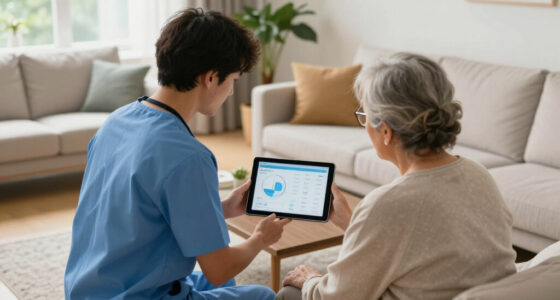
Home health devices are no longer isolated gadgets. The magic happens when they connect to apps or cloud platforms. Your blood pressure cuff can send readings directly to a smartphone app, which charts your trends over weeks or months. These systems transform raw numbers into insights, making it easier to spot patterns.
For instance, a person tracking blood pressure might notice a spike after starting a new medication. Their app flags this trend for review, helping decide whether to consult their doctor sooner. Remote monitoring programs combine multiple devices, software, and healthcare teams into a seamless flow of information, improving long-term care management.
Recent advances include AI algorithms that sift through large data sets, alerting you or your provider to concerning changes. This capability allows for early intervention, potentially preventing hospitalizations or severe health events. However, relying solely on these tools without clinical judgment can lead to misinterpretation—so they should complement, not replace, professional advice.
As an affiliate, we earn on qualifying purchases.
Choosing the Right Device: 6 Things to Keep in Mind
Selecting a home health device is like picking the right tool for a job. You want accuracy, ease of use, and a system that fits into your routine. Here’s a quick guide:
- Purpose: Know what you need to track—blood pressure, glucose, oxygen, or activity. Clarifying your goals helps filter options and avoid unnecessary features that may complicate use or inflate costs.
- Validation: Look for devices validated by independent studies or health authorities. Validation ensures the device’s measurements are reliable and consistent, which is crucial because inaccurate data can lead to mismanagement of your health or unnecessary anxiety.
- Usability: Consider screen size, controls, and app interface—will you use it comfortably? A complicated device can lead to errors or non-compliance, undermining your efforts to monitor effectively.
- Data sharing: Can it send your info to your doctor or caregiver easily? Seamless data transfer reduces manual entry errors and ensures your healthcare provider has timely information to inform decisions.
- Privacy: Review how your data is stored and who can access it. Trustworthy devices encrypt your data and give you control over sharing, which is vital given the sensitivity of health information.
- Costs: Factor in the price of sensors, batteries, subscriptions, or replacement parts. Sometimes investing in a higher-quality device saves money long-term by reducing errors or the need for frequent replacements.
For example, if you’re managing high blood pressure, a validated upper-arm cuff that syncs with your phone could be ideal. Always ask your healthcare provider which device best suits your condition and lifestyle, considering the tradeoffs between cost, accuracy, and ease of use.
As an affiliate, we earn on qualifying purchases.
How to Get Reliable Readings Every Time — Practical Tips
Even the best device won’t help if you don’t use it correctly. Consistency is key. For example, when measuring blood pressure, sit quietly for five minutes, keep your feet flat on the floor, and position the cuff at heart level. Recording the time, your activity, and any symptoms provides context that can influence readings and help identify patterns.
Follow your clinician’s instructions on how often to measure. Regular readings over days or weeks reveal trends that are more meaningful than isolated numbers. This helps you and your healthcare team make informed decisions about your treatment plan.
And if a reading looks alarmingly high or low, don’t panic. Follow your care plan, and contact your provider if symptoms are severe or persistent. Remember, accurate readings depend on proper technique—so take your time and double-check your method to avoid false alarms or missed issues.
As an affiliate, we earn on qualifying purchases.
What You Should Know About Accuracy, Data Sharing, and Privacy
Home health devices vary in how accurate they are. Devices with independent validation generally offer more reliable results, which is essential because health decisions are often based on this data. Inaccurate readings can lead to unnecessary worry or, conversely, missed symptoms that require medical attention. Proper use and consistent technique—such as placing sensors correctly and timing measurements appropriately—are crucial to ensure accuracy.
Sharing data with your healthcare team depends on your device and setup. Many apps enable automatic or manual report sharing, but it’s vital to understand the implications. Some devices upload data to the cloud, which can be convenient but raises privacy concerns. Always review privacy policies and settings, and use secure networks to prevent unauthorized access.
Given the sensitive nature of health data, controlling who can see your information is critical. Use strong passwords, enable encryption if available, and regularly review sharing permissions. Being proactive about privacy helps protect your data from breaches and misuse, maintaining your trust in these technologies.
Future Trends: What’s Next for Home Monitoring Devices
Home health tech is evolving fast. Devices are becoming more connected, smarter, and easier to use. Expect to see more AI-powered alerts that flag risky patterns before symptoms appear, potentially enabling early intervention that can prevent hospitalizations. Wearables will expand their health features—some now include ECGs, blood oxygen, and even blood pressure—making continuous monitoring more comprehensive and less intrusive.
Integration with telehealth platforms will simplify virtual visits. Soon, your smartwatch could send detailed reports directly to your doctor, making remote care more precise and proactive. This seamless communication can lead to faster diagnoses, tailored treatments, and better health outcomes.
But with progress comes questions about data privacy, device reliability, and regulation. As these technologies advance, staying informed and critically evaluating new tools is essential. Always consult healthcare professionals before making major changes based on device readings, as not all data may be clinically validated or appropriate for your specific condition.
Frequently Asked Questions
Are home health monitoring devices accurate enough for medical decisions?
Accuracy varies by device and model. Validated devices, used correctly, can provide reliable data, but they’re not substitutes for professional diagnosis. Inaccurate readings—whether due to device flaws or user errors—can lead to misdiagnosis or unnecessary worry. Therefore, understanding the limitations and proper use of your device is crucial. Always confirm unusual or concerning readings with your healthcare provider before making health decisions based solely on device data.
Can a home device replace regular doctor visits?
Not entirely. Devices support ongoing monitoring and can help detect early signs of issues, but they cannot replace comprehensive physical exams, diagnostic tests, or professional judgment. Use home health devices as part of a broader health management strategy—regular check-ups and consultations remain essential for accurate diagnosis and personalized care.
Many devices and apps now offer direct sharing options—either automatically via cloud services or through exporting reports. To ensure seamless communication, ask your healthcare provider which systems they accept and set up your device accordingly. Regularly verify that data transfer is functioning correctly, and keep your software and apps updated to maintain compatibility and security.
Do I need Wi-Fi or a smartphone for my device to work?
Some devices operate independently and do not require internet access, but many features—such as data sharing, trend analysis, or remote alerts—depend on Wi-Fi or cellular connectivity. A compatible smartphone or tablet typically enhances functionality and makes data management easier. Check your device’s specifications and consider your connectivity options before purchasing to ensure it meets your needs.
Conclusion
Home health monitoring devices can be game-changers in managing your health. The key is choosing the right tools, using them correctly, and sharing data wisely. When you do, you turn your home into a health hub—empowering yourself with knowledge and confidence.
Imagine a future where your device alerts you and your doctor to a developing issue long before symptoms appear. That’s the promise of smart home health tech. Use it wisely, and stay curious about how these tools can support your well-being every day.
Fall Picks
fall essentials
As an affiliate, we earn on qualifying purchases.