
TL;DR

Get health and wellness essentials delivered free — and shop member deals
- Fast, free delivery on millions of items
- Access to Prime Big Deal Days deals on October 6–7
- Prime Video, Amazon Music and more included
Search and news interest has spiked in reports that toxic PFAS ‘forever chemicals’ were detected in many smartwatch and fitness band straps. PFAS contamination in consumer products is a long-established concern, but the specific study, its scope, and its findings remain unverified pending primary-source confirmation.
Reports that a scientific study detected toxic PFAS “forever chemicals” in many smartwatch and fitness band straps are drawing sharp reader attention this week, according to a surge in search and news coverage of the topic. The core subject matter — the presence of per- and polyfluoroalkyl substances (PFAS) in wearable accessories — is consistent with a long-established body of research on fluorinated chemicals in consumer products. However, the specific study said to be driving the current wave of interest has not been independently verified from primary sources at the time of writing, and key details including its scope, methods, and funding remain unclear.
PFAS are a large family of synthetic chemicals used for their water-repellent, grease-resistant, and durable properties. They are commonly called “forever chemicals” because they break down extremely slowly in the environment and can persist in the human body for years. Their use in consumer goods — including non-stick cookware, water-repellent clothing, cosmetics, and food packaging — has been documented by environmental agencies and researchers for more than two decades. Smartwatch bands, particularly those marketed as sweatproof or made from fluoroelastomer-type rubber, have more recently come under scrutiny as a possible point of prolonged skin contact.
The current coverage trend asserts that a study found PFAS in a substantial share of tested smartwatch bands. Consistent with prior research on similar products, the reported concern centers on the possibility of chemicals transferring from the band to skin, especially during exercise when sweat and friction are involved. It must be stressed that the study’s identity, sample size, brands tested, and measured concentrations are not yet confirmed, so no specific product or manufacturer can responsibly be named as affected.
What is well established from existing science: PFAS exposure has been associated in epidemiological studies with a range of health concerns, including elevated cholesterol, reduced vaccine response in children, and certain cancers, according to assessments by the US Environmental Protection Agency and international health bodies. Whether the levels possibly present in a watch band contribute meaningfully to overall exposure is a separate scientific question that existing research has not settled.
Skin Contact Raises the Stakes for Wearables
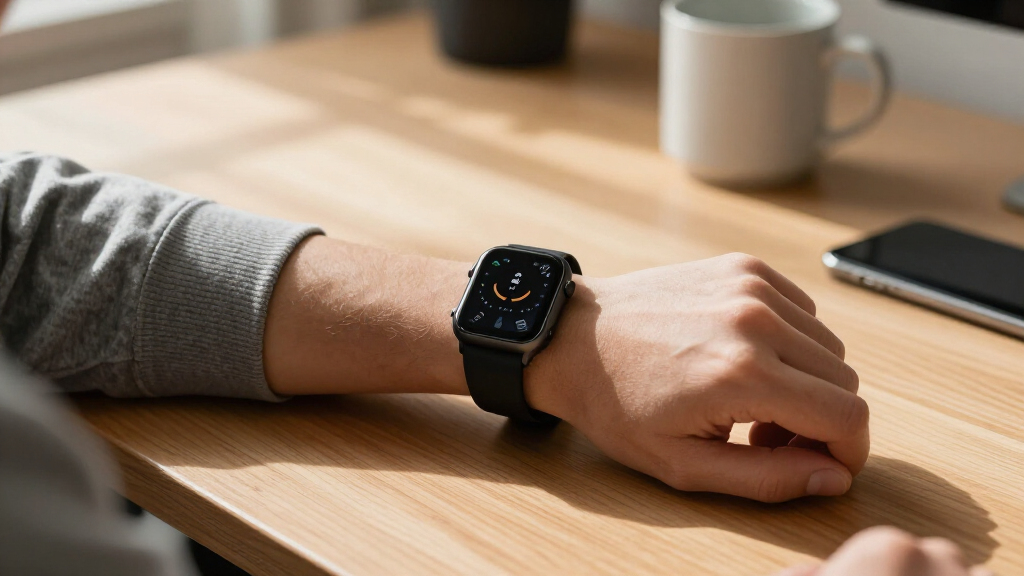
Smartwatch and fitness band users typically wear their devices for most of the day, every day, often during exercise. That makes the wrist one of the most prolonged skin-contact points of any consumer product, which is why researchers have paid growing attention to strap materials even when the chemicals involved appear in trace amounts. If a credible study confirms widespread PFAS in bands, it would extend the “forever chemicals” debate beyond water supplies and food packaging into an everyday device worn by hundreds of millions of people.
The commercial stakes are also real. Fluoroelastomer and similar synthetic straps are a common premium offering from major wearable brands, and PFAS-related regulation is tightening in several jurisdictions, including state-level US bans on PFAS in select consumer product categories and EU restriction proposals. Confirmation of contamination findings could pressure manufacturers to reformulate straps or disclose materials more transparently.
Two Decades of PFAS Scrutiny in Consumer Goods
PFAS have been manufactured since the mid-20th century, and concerns about their persistence and health effects became prominent in the 2000s, after lawsuits over industrial contamination in the United States. Since then, regulatory and academic attention has expanded from industrial sites and drinking water to everyday items. Studies in recent years have detected fluorinated compounds in textiles, cosmetics, fast-food packaging, and athletic gear, leading to voluntary phase-outs of some compounds and statutory restrictions on others.
Independent testing initiatives — often run by journalism outlets, environmental NGOs, or academic labs — have periodically sampled consumer products, including wearables, with findings that vary widely by product and method. Against that backdrop, a new report focused on smartwatch bands would fit an existing pattern of product-category-specific PFAS screening, which is one reason the current topic is generating rapid reader interest.
What the Reported Study Has Not Established
Several elements of the current story are unconfirmed. The identity and publication status of the study — whether it is peer-reviewed, government-funded, or NGO-led — cannot be verified at this time. It is unclear which brands or band materials were tested, how many samples were involved, and what concentrations, if any, were measured. No specific health risk to wearers has been established by the reported research, and dermal absorption of PFAS from flexible watch straps remains an area of active scientific debate rather than settled fact.
Readers should treat brand-level claims circulating in social summaries with caution: without the underlying data, no product can be confirmed as affected, and early secondary reporting on PFAS testing has historically included mischaracterized results.
Verification, Regulation, and Possible Reformulation
Watch for primary-source verification: publication of the study in a peer-reviewed journal or release of a testing methodology and full results by the originating organization. Manufacturers named in any confirmed findings would typically respond with statements, testing of their own, or reformulation commitments, as apparel makers have done in prior PFAS controversies. On the regulatory side, ongoing EU REACH restriction proposals and expanding US state bans on PFAS in consumer products could determine whether wearable straps face mandatory limits. In the meantime, consumers concerned about potential exposure can choose straps made of materials not marketed as sweatproof or stain-resistant, such as plain silicone, leather, woven fabric, or metal, and can reduce wear time during heavy sweating — while noting that no official guidance specific to watch bands has been issued by health authorities.
Key Questions
What are ‘forever chemicals’?
PFAS (per- and polyfluoroalkyl substances) are a family of synthetic chemicals valued for repelling water and grease. They are called “forever chemicals” because they persist for very long periods in the environment and in the human body.
Is my smartwatch band confirmed to contain PFAS?
No. The study driving current coverage has not been verified, and no specific brand or model can be confirmed as affected. Details such as which products were tested and what levels were found remain unknown.
Are PFAS on skin dangerous at these levels?
That is not established. Health agencies link certain PFAS exposures to health risks, but whether chemicals in a watch band transfer through skin in meaningful amounts is an open scientific question with no official guidance specific to wearables.
What can I do if I’m concerned?
Consumers can opt for straps made of plain silicone, metal, leather, or woven fabric — materials less likely to use fluorinated coatings — and remove the device during intense exercise. These are precautionary choices, not medical recommendations.
Are PFAS in wearables regulated?
Not specifically in most jurisdictions. Broader restrictions exist or are proposed in some US states and under the EU’s chemical framework for certain product categories, and those rules could eventually cover wearable accessories.
Source: rss
Fall Picks
fall essentials
As an affiliate, we earn on qualifying purchases.