
TL;DR
A new study indicates that certain lifestyle factors could impact dementia risk. Researchers emphasize the importance of healthy habits, but more research is needed to confirm causality. This development could influence future prevention efforts.
Recent research published in the Journal of Neurology suggests that lifestyle choices such as diet, physical activity, and cognitive engagement may influence the risk of developing dementia. The study, conducted by a team at the University of California, emphasizes the potential for preventive measures but notes that causality has not yet been definitively established.
The study analyzed data from over 10,000 participants aged 60 and above, tracking their lifestyle habits over a decade. Researchers found that individuals who maintained a balanced diet, engaged in regular physical activity, and participated in mentally stimulating activities had a lower incidence of dementia compared to those with less healthy habits.
Lead researcher Dr. Emily Carter stated, “While our findings do not prove causation, they suggest that lifestyle modifications could play a role in reducing dementia risk. This adds to the growing body of evidence supporting preventive strategies.”
Experts caution that these findings are preliminary and should not be viewed as definitive. Further research is needed to understand the mechanisms involved and to develop specific guidelines for prevention.
Implications for Dementia Prevention Strategies
This research could influence public health policies by encouraging lifestyle changes as a means of reducing dementia incidence. Given the lack of effective treatments for dementia currently, prevention remains a critical focus. If confirmed through further studies, these findings may lead to new recommendations for aging populations to adopt healthier habits.
Healthcare providers might integrate lifestyle counseling into routine care for older adults, potentially decreasing the future burden of dementia on healthcare systems and families.

The Alzheimer's Solution: A Breakthrough Program to Prevent and Reverse the Symptoms of Cognitive Decline at Every Age ― A Neurological Protocol Guide
As an affiliate, we earn on qualifying purchases.
As an affiliate, we earn on qualifying purchases.
Recent Advances in Understanding Dementia Risk Factors
Dementia, including Alzheimer’s disease, affects approximately 6 million Americans, with numbers expected to rise as populations age. Prior research has identified genetic and environmental factors, but modifiable lifestyle factors are increasingly recognized as significant contributors.
Previous studies have linked physical activity, diet, and cognitive engagement to lower dementia risk, but results have varied. The current study adds to this evolving understanding by analyzing a large cohort over an extended period, reinforcing the potential importance of lifestyle in disease prevention.
“”Our findings suggest that lifestyle choices may influence dementia risk, but further research is needed to establish causality.””
— Dr. Emily Carter, lead researcher

Qunol Brain Health Memory Plus w/Magtein, Cognizin & Vitamin B6, 90ct
- Memory and Cognitive Support: Enhances memory and brain function
- Boosts Focus and Attention: Supports mental clarity and productivity
- High Absorption Formula: Research-backed ingredients for better results
As an affiliate, we earn on qualifying purchases.
As an affiliate, we earn on qualifying purchases.
Unconfirmed Causal Relationship Between Lifestyle and Dementia
It remains unclear whether lifestyle changes directly cause a reduction in dementia risk or if they are correlated with other protective factors. The study’s observational design cannot establish causality, and randomized controlled trials are needed for confirmation.
Additionally, the specific mechanisms by which lifestyle factors might influence brain health are still under investigation, and individual differences could affect outcomes.
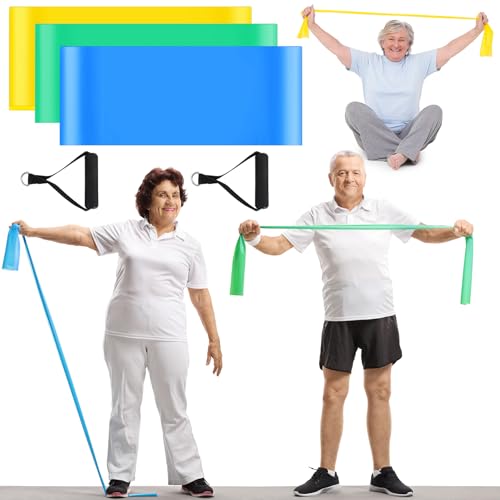
3 Pcs Resistance Band with Handles Chair Exercise Equipment for Seniors Physical Therapy Band Gifts for Elderly Women Rehab, Physical, Grandma, Grandpa
- Complete Senior Exercise Set: Includes 3 resistance bands and 2 foam handles
- Variety of Sizes for Flexibility: Different lengths and thicknesses for various exercises
- Comfortable, Durable Materials: Made of TPE with foam handles for safety
As an affiliate, we earn on qualifying purchases.
As an affiliate, we earn on qualifying purchases.
Ongoing Research and Future Clinical Trials
Researchers plan to conduct randomized controlled trials to test whether targeted lifestyle interventions can effectively reduce dementia risk. Public health agencies are also considering incorporating these findings into preventive guidelines, pending further validation.
Experts recommend that individuals continue to engage in healthy behaviors, but emphasize that definitive prevention strategies are still under development.

XieKules Dementia Games and Activities Kits for Seniors
- Engages Seniors with Dementia: Supports cognitive function and reduces loneliness
- Suitable for Mild Alzheimer's: Includes 12 cards with 24 difficulty levels
- Large Puzzle Size: 7.6 x 7.6 inches for easy handling
As an affiliate, we earn on qualifying purchases.
As an affiliate, we earn on qualifying purchases.
Key Questions
Can lifestyle changes prevent dementia?
Current evidence suggests that healthy lifestyle choices may reduce the risk, but definitive prevention methods have not yet been established. More research is needed to confirm causality.
What specific lifestyle factors are linked to lower dementia risk?
Diet, physical activity, cognitive engagement, and social interaction are among the factors associated with reduced risk in recent studies.
Is there a particular age when lifestyle changes are most effective?
Most research indicates that adopting healthy habits earlier in life can be beneficial, but maintaining healthy behaviors into older age remains important for risk reduction.
What should I do now to lower my dementia risk?
Engaging in regular exercise, eating a balanced diet, staying mentally active, and maintaining social connections are recommended, but consult healthcare providers for personalized advice.
When will more definitive prevention guidelines be available?
Further studies, including clinical trials, are needed before formal guidelines can be established. Researchers expect more clarity within the next few years.
Source: google-trends