
TL;DR
Recent interest in HEPA air purifiers indicates they may boost brain function after just one month of use. While scientific confirmation is limited, the trend is gaining attention. Further studies are needed to verify these claims.
Emerging online discussions and search trends suggest that HEPA air purifiers may enhance brain function within just one month of use. While definitive scientific evidence is still pending, the increasing public interest highlights a potential link between improved air quality and cognitive performance.
The trend appears to be driven by a surge in search interest and anecdotal reports, with some sources claiming that consistent use of HEPA air purifiers can lead to noticeable improvements in memory, focus, and mental clarity within four weeks. Experts caution that these claims are largely preliminary, and rigorous clinical studies are limited or ongoing.
HEPA filters are known to effectively remove airborne pollutants, allergens, and particulate matter, which are linked to respiratory and cardiovascular health. The hypothesis gaining traction is that reducing indoor air pollution could also positively impact brain health, though direct evidence remains scarce. Researchers emphasize that controlled studies are needed to establish causality and determine the extent of any cognitive benefits.
Public interest has been amplified by social media posts, health blogs, and some early research suggesting a correlation between cleaner indoor air and improved neurological function. However, health authorities and scientists urge caution, noting that current data do not definitively confirm rapid cognitive enhancement solely from air purifier use.
Potential Impact of Air Purifiers on Cognitive Health
If validated by scientific research, the idea that HEPA air purifiers can improve brain function in a short period could influence public health recommendations and consumer behavior. It may encourage more widespread adoption of air purification devices, especially in environments with high pollution levels or for individuals with cognitive concerns. Such a shift could contribute to broader efforts to improve indoor air quality as a means of supporting mental health and cognitive resilience.
However, experts warn against overestimating these early claims, emphasizing that current evidence is insufficient to recommend air purifiers as a quick cognitive boost. The potential benefits, if confirmed, could be significant, but further research is essential to establish effective use guidelines and understand underlying mechanisms.
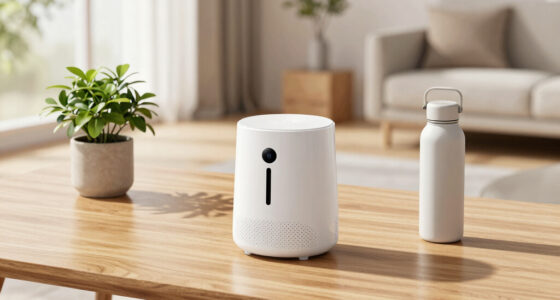
HEPA air purifier for cognitive health
As an affiliate, we earn on qualifying purchases.
As an affiliate, we earn on qualifying purchases.
Rising Public Interest and Scientific Exploration of Indoor Air Quality
Interest in the connection between air quality and brain health has grown in recent years, driven by studies linking pollution exposure to cognitive decline and neurological disorders. The current trend of exploring HEPA air purifiers as a quick cognitive aid appears to be a response to this broader scientific backdrop.
While HEPA filters are well-established for removing airborne particles, their direct impact on brain function remains an active area of investigation. The recent spike in search interest is partly fueled by anecdotal reports and early-stage research, but comprehensive clinical trials are still underway or needed to confirm these claims definitively.
This trend aligns with increased awareness of indoor air pollution’s role in overall health, prompting consumers and researchers to consider air purification as a potential intervention for cognitive enhancement.
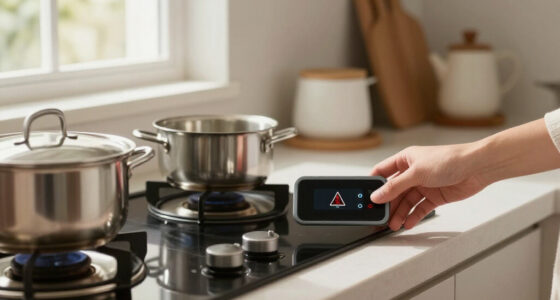
air purifier with HEPA filter for mental clarity
As an affiliate, we earn on qualifying purchases.
As an affiliate, we earn on qualifying purchases.
Unverified Nature of Rapid Brain Function Claims
It remains unclear whether the reported improvements in brain function after one month of using HEPA air purifiers are scientifically validated or anecdotal. There are no large-scale, peer-reviewed studies confirming this effect, and current evidence is primarily observational or preliminary.
Further research is needed to determine if these claims hold under controlled conditions or if other factors contribute to perceived cognitive enhancements.
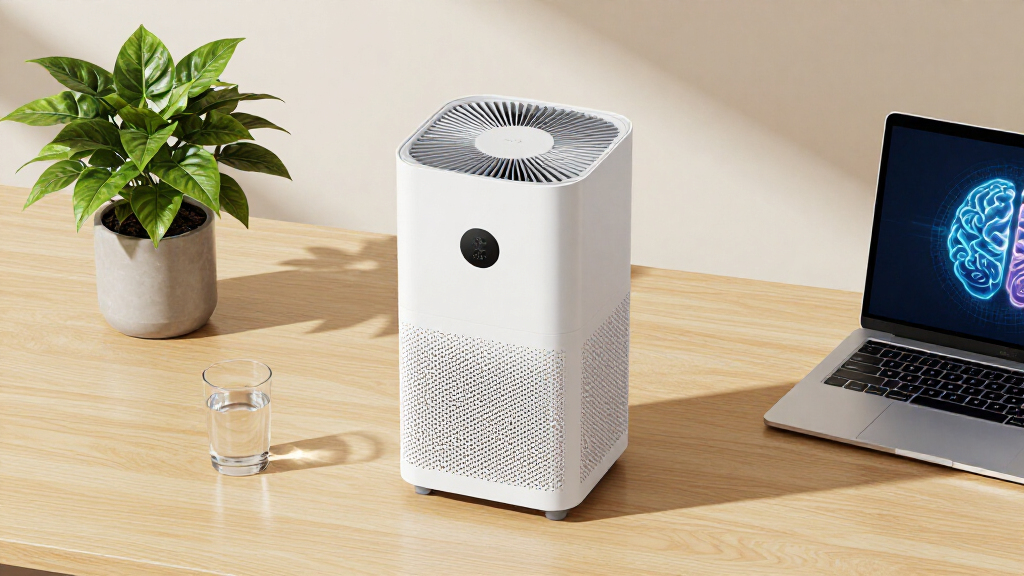
best HEPA air purifier for indoor air quality
As an affiliate, we earn on qualifying purchases.
As an affiliate, we earn on qualifying purchases.
Ongoing Research and Future Scientific Validation
Researchers are expected to conduct controlled clinical trials to evaluate the potential cognitive benefits of HEPA air purifiers more rigorously. These studies will aim to establish causality, optimal usage durations, and specific mechanisms involved.
Meanwhile, health authorities and consumer groups will likely monitor the trend, providing guidance based on emerging evidence. Public interest may continue to grow as more data become available, shaping future health recommendations and product marketing.
air purifier to improve focus and memory
As an affiliate, we earn on qualifying purchases.
As an affiliate, we earn on qualifying purchases.
Key Questions
Can HEPA air purifiers really improve brain function within a month?
Current evidence suggests there is a growing interest and some anecdotal reports, but scientific studies have not yet confirmed that HEPA air purifiers can produce rapid cognitive improvements. More research is needed.
What is the mechanism behind the supposed cognitive benefits?
It is hypothesized that reducing airborne pollutants and allergens may decrease inflammation and improve overall brain health, but this mechanism has not been conclusively proven in relation to short-term use.
Are there any risks associated with using HEPA air purifiers for this purpose?
HEPA air purifiers are generally considered safe when used according to manufacturer instructions. However, relying solely on them for cognitive enhancement without scientific backing is not advised.
Should I buy an air purifier to boost my mental performance?
While improving indoor air quality is beneficial for health, current evidence does not support using air purifiers as a quick fix for cognitive enhancement. Consult health professionals for personalized advice.
Source: rss