
TL;DR

Get health and wellness essentials delivered free with Prime
- Fast, free delivery on millions of items
- Prime Video, Amazon Music and more included
- Member-only deals all year
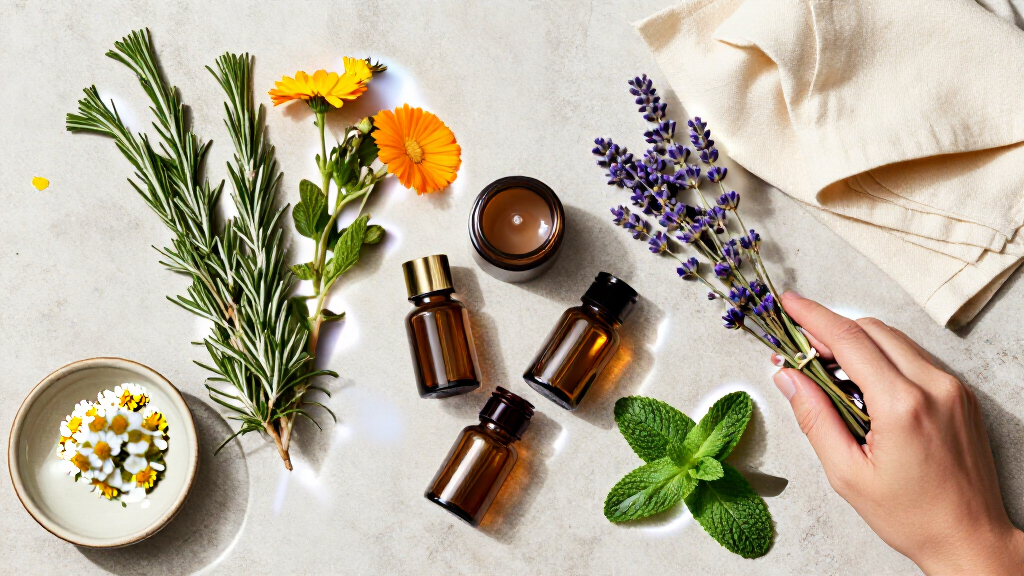
A Sixty and Me report by an herb farmer and cosmetic formulator describes five botanicals used in skincare: calendula, green tea, fennel, hops and lavender. The report cites research on possible skin effects but does not establish that homegrown herbs or finished products will deliver those results; evidence varies by preparation and use.
A report published by Sixty and Me profiles five herbs used in skincare—calendula, green tea, fennel, hops and lavender—and describes research into their potential skin effects. The contributor, an herb farmer and cosmetic formulator, also argues that growing some ingredients locally can shorten supply chains, while the report does not establish that these plants, by themselves, produce specific results in every skincare product or for every user.
The report says calendula and lavender are grown on the contributor’s Colorado farm. Green tea is the exception: the contributor says the plant needs a warmer climate than the farm provides. The account links calendula research with wound healing and skin repair, antioxidant and anti-inflammatory activity, and possible effects on hydration, elasticity and pigmentation. It also describes laboratory findings related to UVB-associated oxidative damage and collagen. These findings concern research on extracts or compounds, not a guarantee about a particular consumer product.
Green tea is described as a source of catechins, including EGCG, which have been studied for antioxidant and anti-inflammatory properties. The report says research on topical preparations has examined photoaging, hydration, redness, oxidative stress and skin structure. For fennel, it cites studies reporting changes in hydration, water loss through skin, texture, redness and pigmentation. It presents hops as a source of polyphenols and flavonoids, with topical research examining hydration, redness, pigmentation, wrinkles and components of the skin’s supportive matrix.
The report says lavender’s skincare role includes possible soothing and antioxidant effects, while its aroma has been studied in relation to relaxation, anxiety and sleep. The contributor distills lavender into hydrosol and says it is used as a facial spray. The account does not specify study designs, sample sizes, concentrations or products for each reported finding, making it difficult to assess how directly the research applies to products consumers can buy or make.
What Local Growing Can Change
The report links botanical skincare to two questions for consumers: what evidence supports an ingredient, and how it is sourced. Growing herbs where they are processed may reduce the need to purchase small quantities of prepackaged ingredients shipped from elsewhere. The contributor says the farm uses regenerative agriculture, but provides no quantified estimate of emissions, packaging saved or other environmental impact. Local production may shorten a supply chain; it does not, on its own, establish a product’s environmental footprint.
The distinction between a plant’s potential and a formulated product also matters. Research on an extract or isolated compound does not automatically show that a homegrown plant, hydrosol, cream or lotion has the same effect. How an ingredient is prepared and used can affect what it contains and how it performs. The report’s value is in describing the contributor’s approach—growing, processing and considering research—not in offering proof that all products containing these herbs work as advertised.
Products Worth Considering

Coway Mighty AP-1512HH(W) Air Purifier, White

LEVOIT Vital 200S-P Smart Air Purifier for Large Rooms

Oral-B iO Series 9 Limited Rechargeable Electric Toothbrush with 7 Cleaning Modes
As an affiliate, we earn on qualifying purchases.
From Herbs to Finished Products
The article frames “farm to skin” as more than choosing plant-based ingredients. The contributor says it means growing useful plants, using sustainable practices, understanding their chemistry and reviewing research before deciding whether they belong in a formulation. The report identifies several herbs as growing on the Colorado farm, but does not give details about harvest volumes or the proportion of ingredients used in its products.
Its discussion combines research summaries with the author’s farming and formulation experience. The cited areas include laboratory work and studies of topical preparations, but the supplied report does not provide citations for individual studies. Readers therefore cannot verify the strength or scope of each finding from this account alone. The evidence described should be understood as research of varying kinds, rather than as a single clinical finding applying to all five herbs.
Evidence and Product Results
The supplied report does not identify the individual studies behind each finding, or give their methods, participant numbers, doses or formulations. It is not clear how much of the cited work involved people, laboratory models or other research settings. Nor does the article compare the five herbs or establish which has the strongest evidence for a particular skin concern.
The report also offers no independent assessment of the farm’s environmental benefits, such as a measured reduction in transportation or packaging. It does not specify which finished products contain each herb or how their concentrations compare with those used in research. Ingredient claims and individual experiences should not be read as proof of a guaranteed result; people with skin concerns or reactions should seek advice from a qualified health professional.
Questions for Consumers and Growers
The report invites readers to discuss plants they grow for traditional or therapeutic uses and the botanical ingredients they seek in creams and lotions. It gives no announced follow-up study, product launch or new farm milestone. For readers weighing a botanical product, the practical next step is to check how the ingredient is prepared and what evidence supports the specific claim, rather than relying on the plant name alone.
More detailed study references, product formulations and information about the farm’s sourcing practices would help readers judge how the reported research translates to finished skincare and what environmental difference local growing makes. Those details were not included in the source material.
Key Questions
Which five herbs does the report discuss?
It covers calendula, green tea, fennel, hops and lavender. The contributor says calendula and lavender grow on the Colorado farm, while green tea does not because the local climate is too cool.
Does the report prove these herbs improve skin?
No. It summarizes research reporting possible effects, but does not provide the underlying studies’ full methods or establish that every extract or finished product will produce the same results.
What does “farm to skin” mean in the article?
The contributor uses the phrase for growing and processing botanical ingredients close to where they are used, while considering their chemistry, sustainability and research.
Does local herb growing reduce environmental impact?
The contributor says local growing can shorten the supply chain and reduce upstream packaging and transportation for purchased ingredients. The report provides no measurements to quantify those effects.
Source: rss